23 October 2026, 06:34
Loading...
EU member states approve 15th sanctions package against Russia

oEnergetice.cz, ČTK
16 December 2024, 12:23
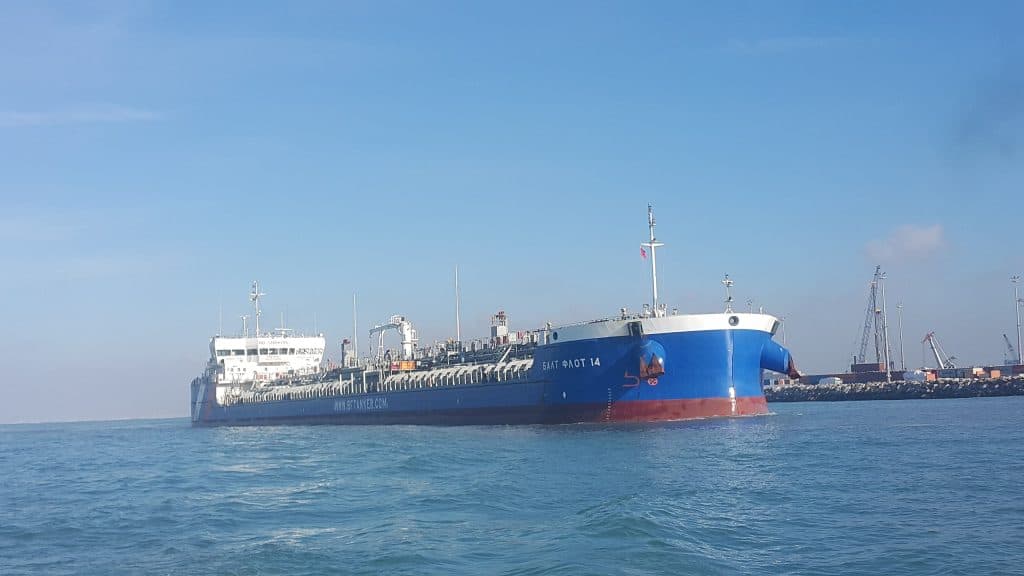
Brussels, 16 December (ČTK correspondent) – EU member states today approved the 15th sanctions package against Russia, which continues its invasion of Ukraine. The EU Council reported the move. The package includes restrictions on 54 individuals and 30 legal entities involved in Russian aggression. The measures target, among other things, the so-called shadow fleet of foreign vessels transporting Russian petroleum products. The package also extends the so-called Czech exemption from the EU ban on imports of Russian petroleum products, although Prague had not sought this. Foreign ministers gave final approval to the sanctions at a meeting in Brussels today; the Czech Republic was represented by Jan Lipavský. Ukrainian President Volodymyr Zelenskyy welcomed the new measures.
"Russia continues its brutal attack against Ukraine and the Ukrainian people. This sanctions package is part of our response aimed at weakening Russia's war machine and those enabling this war, including Chinese companies," said the EU's new foreign policy chief Kaja Kallas, who chaired the foreign ministers' meeting for the first time today.
She said the approval of the sanctions shows EU member states' unity in continuing to support Ukraine. "Our immediate priority is to ensure that Ukraine is in the strongest possible position. We will stand with the Ukrainian people on all fronts: humanitarian, economic, political, diplomatic and military. There can be no doubt that Ukraine will win," she added.
The individuals targeted by the EU sanctions include members of the Russian military unit responsible for bombing Kyiv's Okhmatdyt children's hospital; senior executives at leading energy companies; individuals responsible for the deportation of children, propaganda and sanctions evasion; and two senior North Korean officials, whose country's troops are supporting the Russian army.
The 30 legal entities targeted by the new sanctions include, in particular, Russian defence companies and shipping companies responsible for transporting oil and petroleum products by sea, generating significant revenues for the Russian leadership. The list also includes a chemical plant and a Russian civilian airline that provides important support to the Russian army. For the first time, the sanctions also target Chinese companies supplying components for drones used by Russia in Ukraine.
Companies on the sanctions list have their assets in the EU frozen, and EU entities are prohibited from trading with them in any way or providing them with financing. Individuals also have their assets frozen and are additionally subject to a travel ban in EU countries.
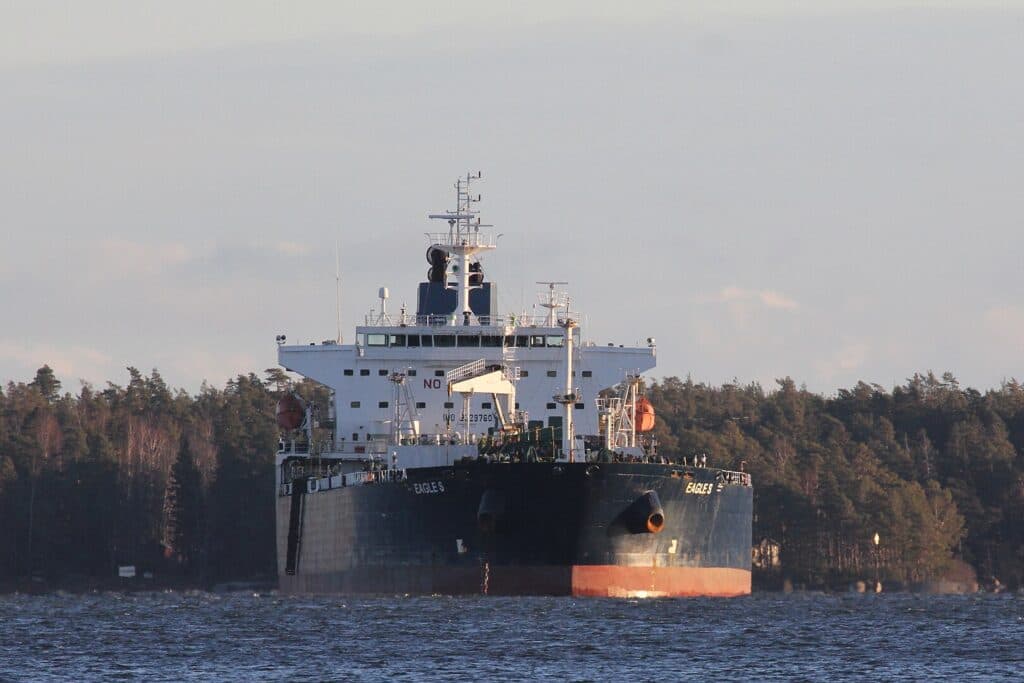
The restrictions also apply to tankers from non-EU countries that are part of Russia's shadow fleet and transport Russian petroleum products despite the sanctions. The sanctions list also includes ships responsible for transporting military equipment for Russia and vessels involved in transporting stolen Ukrainian grain. A total of 52 vessels from third countries have been added.
The 15th package also extends the so-called Czech exemption from the EU ban on imports of Russian petroleum products, although Prague had not sought this. The ban on supplies of products made from Russian oil was approved earlier as part of the sanctions imposed by the European Union on Russia over its aggression against Ukraine. In addition to the Czech Republic, Slovakia and Hungary were also granted exemptions from the ban.
The exemption expired on 5 December, and the Czech Ministry of Industry said at the end of November that "the Czech Republic sees no reason why the exemption should be extended." The exemption was therefore not included in the original proposal, but Slovakia secured its extension by six months. "This is an important achievement for Slovak diplomacy, benefiting our economy and the citizens of the Slovak Republic. We value the compromise reached and, above all, the constructive approach of the member states, which accepted our arguments in favour of a solution to energy security during the negotiations," Slovak Foreign Minister Juraj Blanár said in a press release.
"The next six months will allow Slovnaft (the Bratislava refinery) to implement technological changes and finalise the measures needed to diversify its sources. The sanctions exemption will also help maintain stable fuel prices both at home and across Central Europe, and ensure availability," the Slovak minister added.
According to some diplomats, the 15th package, drawn up during Hungary's presidency of the Council of the EU, is "weaker", with the sanctions list expanded only to include individuals and legal entities. The Czech Republic nevertheless expects the next, 16th package to be much "tougher" and to introduce restrictions in some sectors as well. Work on the 16th package has already begun, and it will be completed early next year during Poland's presidency of the Council of the EU. It is expected to be adopted at the end of February, marking three years since the start of Russia's invasion of Ukraine.
Zelenskyy welcomed the latest measures. "Continued pressure is essential to prevent Russia from adapting or exploiting loopholes to finance its war crimes," the Ukrainian president said on X. "I appreciate the decision to target (Russian President Vladimir) Putin's shadow fleet of oil tankers, which supports Russia's energy sector, as well as vessels transporting military equipment and stolen Ukrainian grain," Zelenskyy added. Without oil revenues, the Kremlin chief would, among other things, "be unable to reject genuine negotiations," he said.
Translation disclaimer
This article is a machine translation of the Czech original and has not yet been fully reviewed. In case of any doubt, please refer to the Czech version.
Sdílejte článek prostřednictvím:
You might also like
22 October 2026, 10:45