4 October 2026, 21:07
Loading...
EU preparing measures to address energy crisis caused by war in Iran

oEnergetice.cz, ČTK
31 March 2026, 18:30
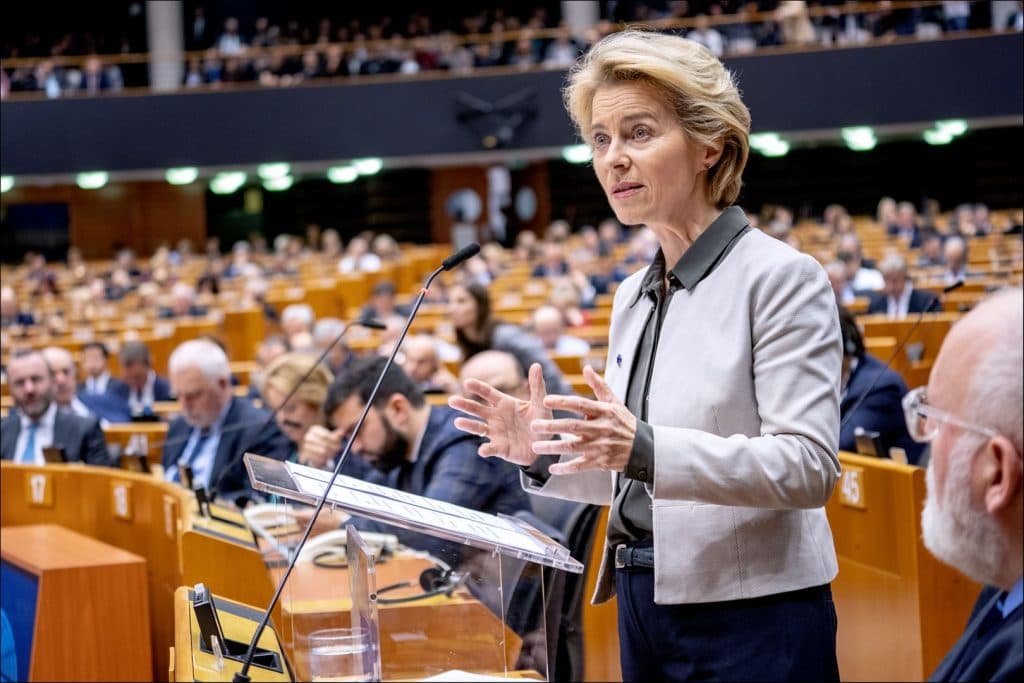
Brussels, 31 March (CTK correspondent) - The European Union should respond to the current energy crisis in a united and coordinated manner, Energy Commissioner Dan Jörgensen said today. The European Commission is preparing a set of proposals for member states on how they should address the consequences of the war in Iran, and will publish them soon, he said, because energy markets will remain disrupted for a long time.
No one knows when the conflict in the Middle East will end, but it will not be over quickly, Jörgensen said today after a meeting of EU energy ministers held by video link. The Czech Republic was represented at the virtual meeting by Industry and Trade Minister Karel Havlíček.
"Financially, the 30-day conflict has increased the Union's fossil fuel import costs by €14 billion," the commissioner told reporters in Brussels. "Even if peace were to come tomorrow, we still would not return to normal.
Energy infrastructure in the region has been destroyed by the war and continues to be destroyed," he added.
The EU measures under preparation will include proposals to cut electricity tax rates or charges for using the grids, according to the commissioner. "We are also preparing various options and measures more akin to those we used during the 2022 crisis," Jörgensen said.
The European Union introduced a set of emergency measures in 2022 after Russia curtailed gas supplies following its invasion of Ukraine. They included an EU-wide cap on gas prices, a windfall tax on energy companies and targets for reducing gas demand.
In a letter sent to ministers before the meeting, Jörgensen also asked member states to consider limiting oil and gas consumption, particularly in transport. This could mean governments asking citizens to drive or fly less, for example, to save fuel for more important uses, as is already happening in some Asian countries, the Brussels-based Politico reported.
The war in the Middle East began on the last day of February with a US-Israeli attack on Iran. Before the war, about a fifth of the world's oil and gas supplies passed through the Strait of Hormuz, which lies off Iran's coast. Shipping through the strait has virtually ground to a halt because of threats from Iran, leading to a sharp rise in oil prices and significant volatility in gas prices.
The International Energy Agency (IEA) presented a ten-point list of proposals to reduce demand a few days ago. These include promoting working from home, lowering the maximum speed on motorways by at least ten kilometres per hour, promoting public transport, increasing car-sharing and avoiding air travel where an alternative is available.
"This is not a one-size-fits-all package in which we expect all member states to implement all ten of these demand-reduction measures," the European commissioner said.
"But it is a very good set of measures, and we recommend that every country consider what options it has," Jörgensen added.
The European commissioner said Brussels was particularly concerned in the short term about supplies of refined oil products such as jet fuel (kerosene) and diesel. Reuters quoted expert Benedict George as saying that the last shipments of kerosene to pass through the Strait of Hormuz before it was closed should reach Europe around 10 April. "But there is no real risk of jet fuel actually running out," George added, noting that European countries' stocks could cover up to three months of kerosene demand. The European Union gets about 15 percent of its jet fuel from suppliers in the Middle East.
Translation disclaimer
This article is a machine translation of the Czech original and has not yet been fully reviewed. In case of any doubt, please refer to the Czech version.
Sdílejte článek prostřednictvím:
You might also like
3 October 2026, 13:01
3 October 2026, 07:43
2 October 2026, 21:55