3 October 2026, 13:01
Loading...
EU reviews its energy efforts: savings and new LNG terminals weaken Russian gas dominance

Martin Voříšek
2 October 2024, 13:17
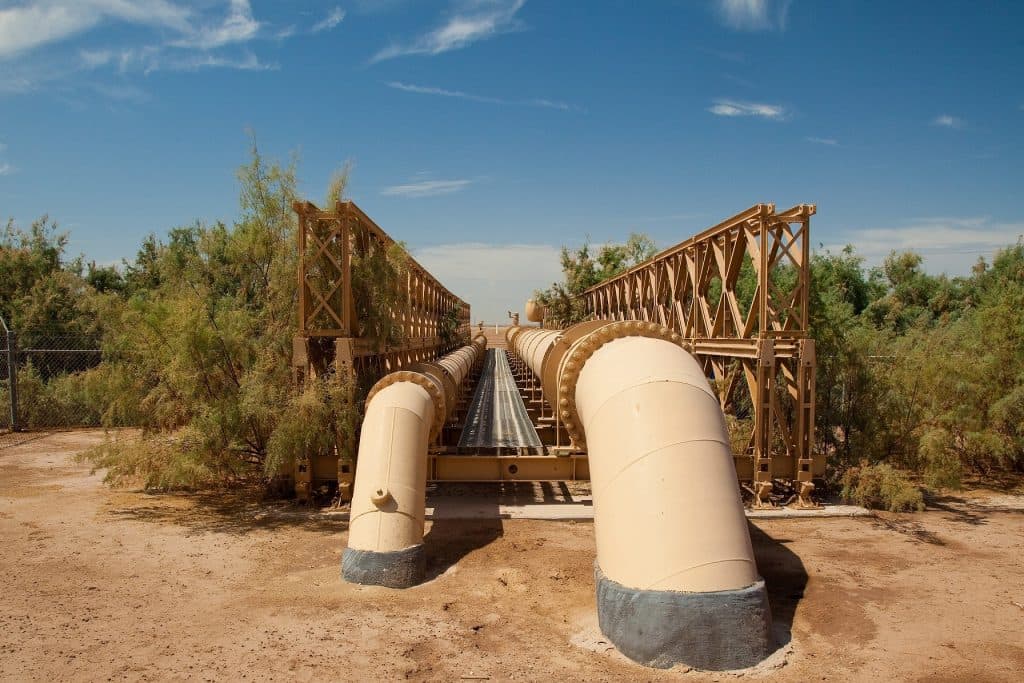
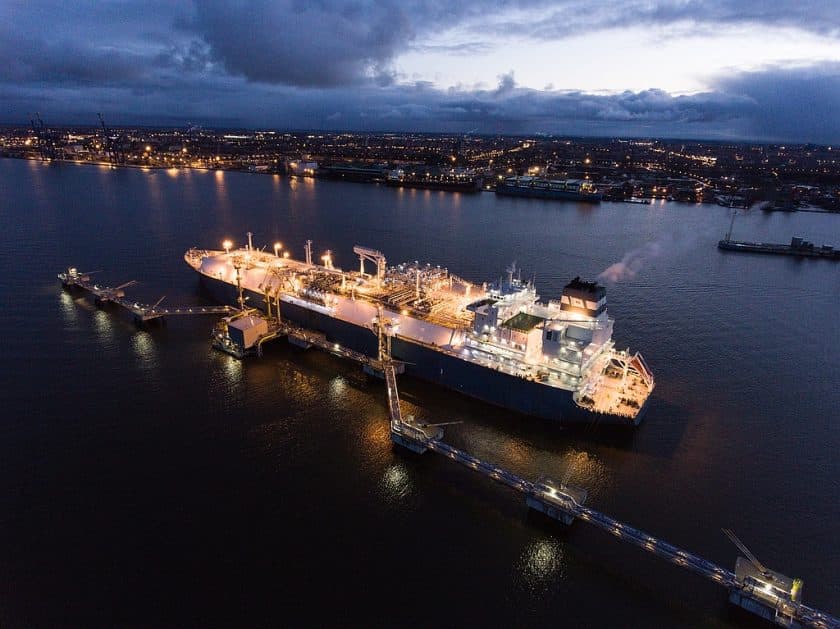
The European Union has substantially reduced its natural gas consumption and diversified its sources. As a result, the share of gas imports from Russia fell to 18 %, down from approximately 45 % previously, according to the State of the Energy Union report published in September. As many as 12 new terminals for importing liquefied natural gas also helped.
In 2024, the European Union took significant steps towards achieving its energy and climate targets. One of the key pillars is a 55 % emissions reduction by 2030 under the Fit for 55 programme. This ambitious plan is complemented by the REPowerEU initiative, which aims to achieve energy independence and reduce reliance on Russian fossil fuels.
In the period following the energy crisis, the European Union primarily sought to reduce its dependence on gas and oil imports from Russia. While Russian gas accounted for 45 % of European imports in 2021, this share had fallen to 18 % by 2024. This decline was driven by supplier diversification, particularly towards Norway and the United States. A general reduction in energy consumption due to high energy prices during the energy crisis also helped, a crisis from which the EU as a whole has not yet fully recovered.
Translation disclaimer
This article is a machine translation of the Czech original and has not yet been fully reviewed. In case of any doubt, please refer to the Czech version.
The article continues for subscribers
Premium content
The rest of this article is available to premium subscribers only. Get access to all premium articles on oEnergetice.cz.
You have read only 42% of the article — unlock the remaining 58% with a premium subscription.
Best value: annual subscription
Monthly option 4 € / month
3.25 €/ month
You might also like
3 October 2026, 07:43
2 October 2026, 21:55
2 October 2026, 15:14