
23 October 2026, 14:38
Loading...
EU unveils plan to cut energy costs for businesses and consumers

oEnergetice.cz, ČTK
26 February 2025, 14:27
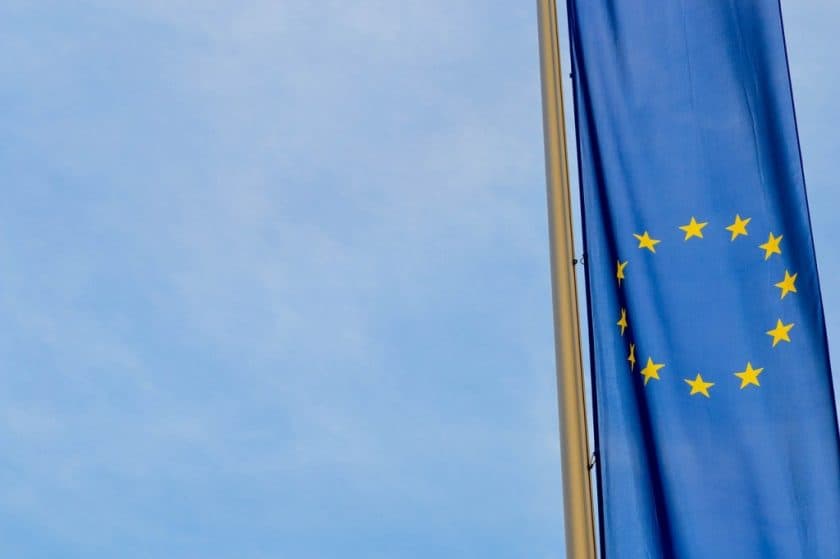
Brussels, 26 February (CTK) – The European Commission (EC) today presented a plan to cut energy costs for businesses and consumers, complete the Energy Union, attract investment and improve preparedness for potential energy crises. The plan aims to save Europeans 45 billion euros (CZK 1.1 trillion) this year, rising to 260 billion euros (CZK 6.5 trillion) a year by 2040. Energy Commissioner Dan Jörgensen announced the plan today, and the EC published details on its website.
„High energy prices are damaging our ability to compete. We pay three or four times as much for energy as our competitors in the United States. At the same time, our citizens are struggling to pay their energy bills, which is unacceptable. We must make substantial cuts to energy prices,“ Jörgensen said at a press conference.
„But this is also about security. We are still buying Russian gas in the European Union, thereby indirectly helping (Russian President Vladimir) Putin finance the war. Since the war began, we have imported fossil fuels from Russia worth the equivalent of the cost of 245 fighter jets, which is unsustainable,“ he added, saying that the 27-member bloc must become independent of Russian fossil fuels. The commissioner also stressed the need to continue the fight against climate change, which is having devastating consequences around the world.
For all these reasons, the European Commission has drawn up the Affordable Energy Action Plan, which aims to cut industry and household bills by tens of billions of euros and accelerate the decarbonisation of electricity markets. The European Commission said it would consider, among other things, investing in liquefied natural gas (LNG) projects abroad. It plans „immediate engagement“ with reliable suppliers in an effort to lower energy prices. In addition, the EU executive will recommend that member states cut electricity taxes.
According to the European Commission, the action plan will provide short-term relief for consumers and pave the way for completing the Energy Union by „showing the benefits of more renewable energy, energy savings, greater market integration and better interconnection“. „Crucially, it proposes measures to tackle the structural problems driving up energy costs in the EU, particularly Europe’s dependence on imported fossil fuels and the lack of full integration of the electricity system. The plan builds on the recent reform of the electricity market design, the REPowerEU plan, sector-specific plans for wind, solar and the electricity grid, as well as revised energy and climate legislation under the Fit for 55 package,“ the EU executive said. The Fit for 55 package aims to reduce greenhouse gas emissions in the EU by 55 percent by 2030, compared with 1990 levels.
„We are lowering energy prices and boosting competitiveness. We have already significantly reduced energy prices in Europe by doubling renewable energy. Now we are going a step further with the Affordable Energy Action Plan as part of our Clean Industrial Deal,“ European Commission President Ursula von der Leyen said.
With the new plan, she said, the bloc would achieve „more predictable prices and stronger interconnections across Europe“. „We will systematically remove the remaining barriers across the Union,“ she added.
To make electricity more affordable, the European Commission plans to address all components of energy bills. „We will issue recommendations to member states to reduce national electricity taxes and also make it easier for consumers to switch suppliers and choose cheaper energy offers,“ the EU executive said. Building on existing EU electricity legislation, the Commission will continue to promote the uptake of long-term supply contracts, which will ultimately help break the link between retail electricity bills and high, volatile gas prices.
According to Energy Commissioner Jörgensen, the Commission will also focus on speeding up permitting procedures in the renewable energy sector, which have so far taken years. „Our aim is to cut this time substantially. Simple projects should take no more than six months to get a permit, while more complex projects should take no more than two years. This will make a huge difference to investment and planning,“ the Energy Commissioner said.
Translation disclaimer
This article is a machine translation of the Czech original and has not yet been fully reviewed. In case of any doubt, please refer to the Czech version.
Sdílejte článek prostřednictvím:
You might also like


23 October 2026, 11:01


23 October 2026, 06:34