
23 October 2026, 06:34
Loading...
European Court of Auditors: Current pace of grid investment is insufficient

Eduard Majling
3 April 2025, 06:17
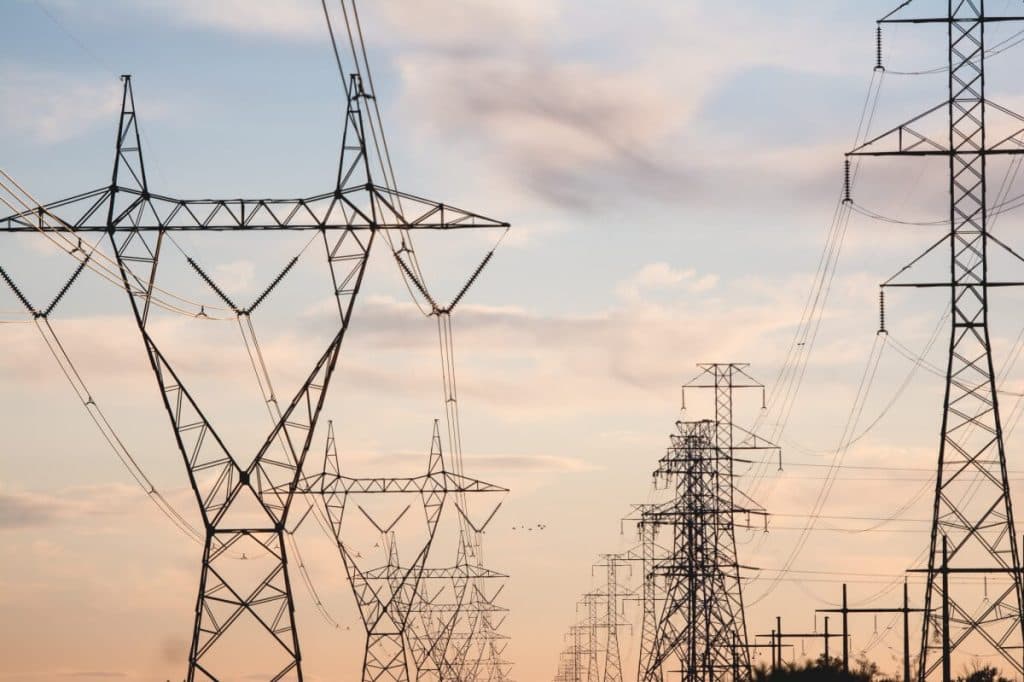
Growing installed renewable energy capacity and ambitious plans to electrify the European economy will also require substantial investment in electricity grids. According to the European Court of Auditors, however, the current investment plan is insufficient both to meet future electricity demand and to transform the energy sector. The key challenge will then be to strike a balance between investment and ensuring affordable electricity.
The ongoing transformation of the energy sector across EU countries will require substantial investment not only in electricity generation. The development of transmission and distribution grids, which are already facing periods of high renewable electricity generation, is also a long-standing topic of debate. According to the European Court of Auditors’ latest review of electricity grids, the EU will need to step up its efforts in this area.
At the current pace, modernising EU electricity grids would require investment of 1.87 trillion euros by 2050, according to EU auditors. This is lower than the estimates of the European Commission, whose upper-end figure is as much as 500 billion euros higher. The Court of Auditors says that grid development is hampered by inadequate planning, lengthy permitting procedures and public opposition. It also cites a shortage of equipment, materials and skilled workers.
"Much of the EU’s electricity grid was built in the last century: around 40% of distribution grids are more than 40 years old. To ensure the EU’s competitiveness and autonomy, we need modern infrastructure that can support our industry and keep electricity affordable," said Keit Pentus-Rosimannus, the European Court of Auditors member responsible for the review.
According to Pentus-Rosimannus, electricity demand in the EU is expected to more than double by 2050. The EU will therefore have to use all the tools at its disposal, as major investment in grids will be unavoidable, she said. Energy storage and greater system flexibility could also help reduce the investment required.
According to the auditors, investment needs can also be reduced by optimising the energy system so it can respond better to fluctuations in electricity consumption and generation. This could be supported by the development of energy storage technologies, better interconnection between EU countries’ grids, and smart meters. However, their rollout is progressing slowly in some countries. Consumers who generate electricity and energy communities that enable electricity sharing can also play an important role.
Translation disclaimer
This article is a machine translation of the Czech original and has not yet been fully reviewed. In case of any doubt, please refer to the Czech version.
Sdílejte článek prostřednictvím:
You might also like



22 October 2026, 10:45
