
23 October 2026, 14:38
Loading...
Some EU countries want to change rules for mandatory gas storage filling

David Vobořil
18 March 2025, 15:23
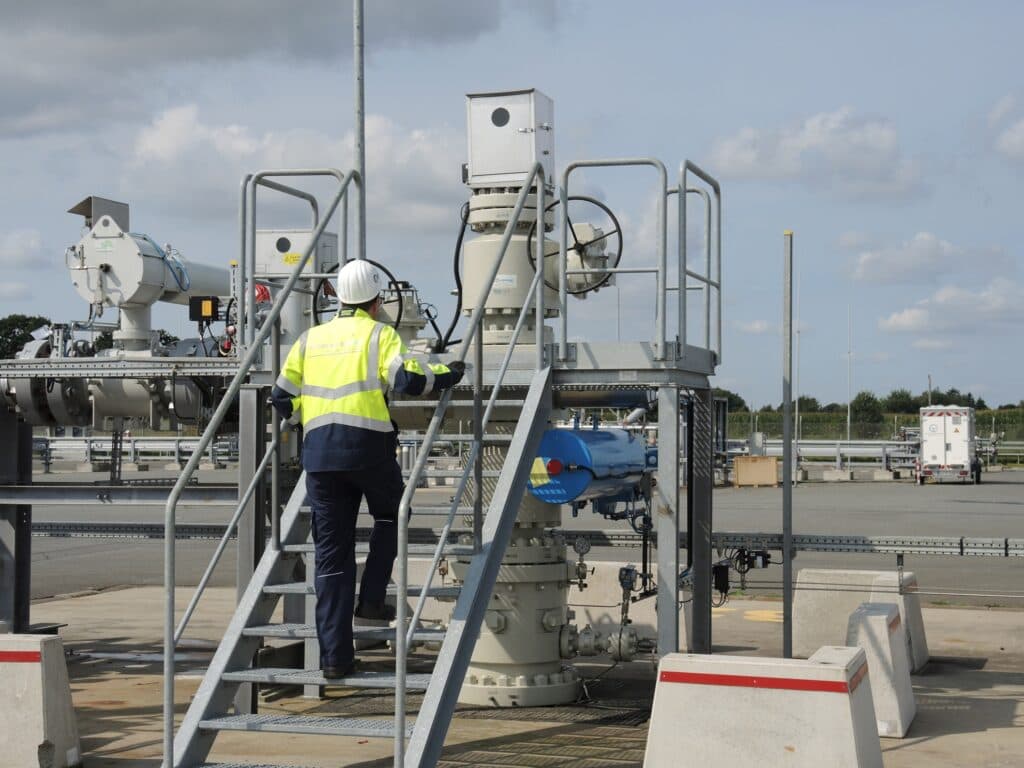
European Union countries are discussing changes to binding targets for natural gas storage. The reason is concern that the rules, in their current form, may be driving up gas prices. This is according to a document cited by Reuters.
European Union countries, including Germany, France and the Netherlands, have warned that the EU’s binding gas storage filling targets are driving up natural gas prices. The targets signal to the market that European buyers are required to purchase large volumes of gas by set deadlines, creating opportunities for price manipulation.
EU member states are now discussing changes to these targets. The European Commission proposed last week keeping the binding targets until 2027, but EU countries and the European Parliament can amend the proposal and must approve the final rules.
A draft for discussion circulated among EU countries on Friday indicates that they are considering changing the current EU requirement to fill gas storage facilities to 90% of capacity by 1 November each year. Instead, a window could be set for filling storage facilities at any time between 1 October and 1 December.
The proposal would also make a series of interim EU targets for filling gas storage facilities in the months before November voluntary. EU country officials will discuss the proposal next week and may consider further changes to the rules.
The Commission said it would take a more lenient approach to enforcing this November’s gas storage target. However, this has not reassured the governments of some member states, which fear high bills for filling their storage facilities if gas prices rise.
Gas storage targets were introduced in 2022 after Russia cut natural gas supplies to Europe. They are intended to ensure that each country has a reserve of gas for the winter months, when gas consumption reaches its highest levels.
Translation disclaimer
This article is a machine translation of the Czech original and has not yet been fully reviewed. In case of any doubt, please refer to the Czech version.
Sdílejte článek prostřednictvím:
You might also like


23 October 2026, 11:01


23 October 2026, 06:34