21 October 2026, 06:41
Loading...
Czech-Slovak Energy Forum: Wild poker in the heart of Europe: coal king trumped by a nuclear ace
oEnergetice.cz
12 May 2024, 10:03
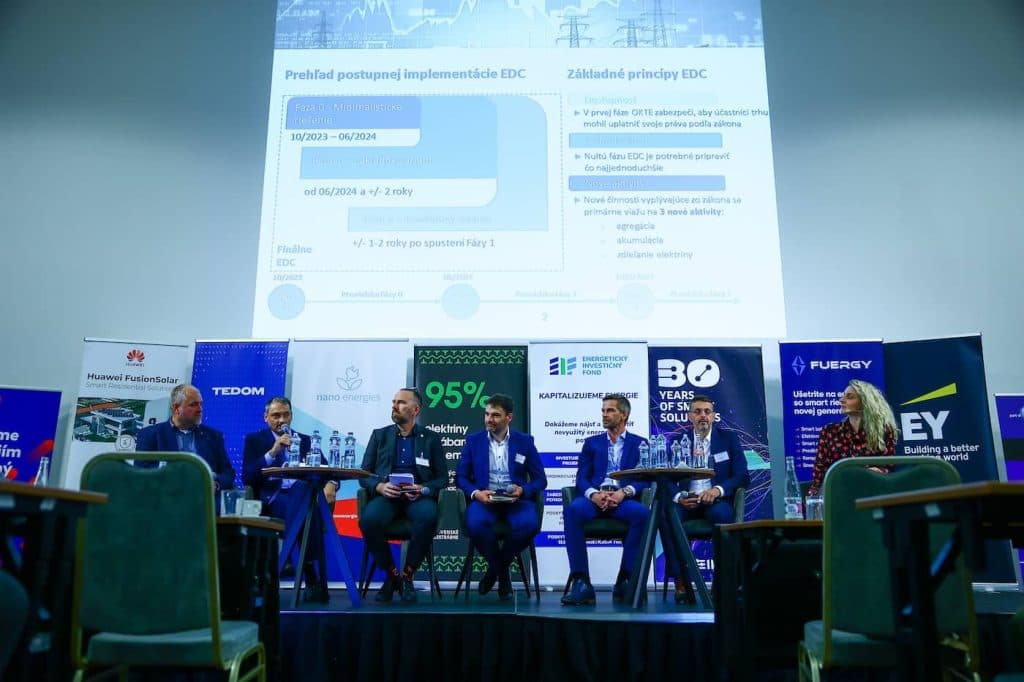
In just under a month, the 6th Czech-Slovak Energy Forum will take place. For the first time, the stage at the Imperial Spa in Karlovy Vary will be taken over by leading figures from today’s energy world. The topics of the five main sessions that will dominate the two June days of 5–6 June 2024 are already known. The ČSEF is not just about presentations: you can look forward to substantive discussions, networking, and making interesting business contacts and finding opportunities. We have plenty of questions. Come and ask the speakers yourselves.
WHAT WILL IT BE ABOUT THIS YEAR?
Resource adequacy – do we even have a sufficient bankroll for a proper game?
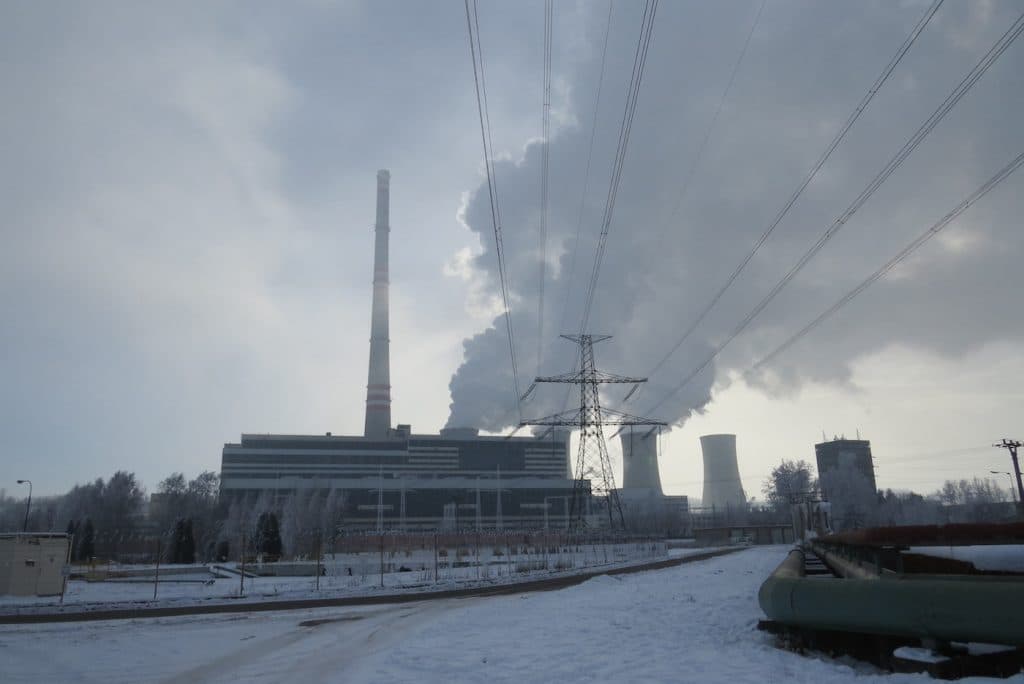
On one side are traditional principles tested over decades. On the other are modern technologies, new tools and data. Is this a game that must necessarily have a winner? Are we witnessing a clash between a new and an old era? And who decides this game? If coal-fired electricity generation is phased down in the near future, coal mining will logically be phased down as a result. What are the possible solution scenarios? If we want to ensure self-sufficiency and security of supply in the Czech and Slovak power systems, what is the optimal mix in terms of a specific consumption scenario, supply options over time, state guarantees for loans and state guarantees for future operation?
Energy data centres – the Czech Big Blind vs. the Slovak Full House
At the beginning of this year, an amendment to the Energy Act, known as LEX RES II, came into force, introducing the possibility of electricity sharing for energy communities and active customers. A condition for starting sharing using the distribution system is the launch of the Energy Data Centre (EDC). Under the law, the EDC is a new, fully regulated entity on the electricity market. However, another amendment, LEX RES III, is currently before the Chamber of Deputies, introducing further options for active customers. In particular, these concern rules for electricity storage and flexibility aggregation, including the role of an independent aggregator.
In Slovakia, the introduction of the EDC, enabling the use of new energy options, electricity sharing, flexibility aggregation and storage assessment, is already considerably more advanced. This solution is provided by OKTE, a.s. The first stage, with basic functionalities, was launched in early October 2023. An expansion to the final version is being prepared for mid-2024 and will substantially expand the offering for assessing sharing, as well as add the option of assessing flexibility at the facility level. All the new activities are already being actively used by market participants.
Rules of poker
As every year, the ČSEF conference will also focus on how Slovak and Czech energy legislation will develop.
Council Regulation (EU) 2022/2577, European Parliament Directive 2023/2413, Regulation (EU) No 2023/1126… How are these rules being implemented in Czech and Slovak legislation? Significant changes are currently being made to primary, but above all secondary, legislation. In the Czech Republic, an interministerial consultation is under way on a decree on market rules, connection conditions, supply billing and related services. The Slovak Republic is preparing price decrees, decrees on market rules and quality standards. What is the vision of the regulatory authorities?
The Act on Regulation in Network Industries gives URSO new powers. Regulatory policy in the Czech Republic ends in 2025. How is the regulator prepared for the new regulatory period? What are the strategic starting points? What will the new price regulation look like?
Poker players have their say
Slovenské elektrárne has ended coal-fired electricity generation, and coal’s future is uncertain in Czechia too. How is the changing energy mix affecting the availability of ancillary services, without which transmission system operators cannot fulfil their statutory duties?
On the other hand, what impact does the changed energy mix have on the required volume of balancing services needed for the security and reliability of electricity supplies in the Czech Republic and Slovakia? What significance will participation in European platforms for the exchange of balancing energy have?
Will the rise of “fast-growing” diesel generation, BESS and aggregation be able to ensure sufficient flexibility, or will fast gas-fired generation need to be built? What volumes of new installations and what use of BESS do their suppliers anticipate?
Is aggregation really a phenomenon that will bring profitable business for the smart and prepared, and solve problems not only for system operators but also for electricity suppliers and consumers?
How do representatives of IT sectors, whose companies operate in both the Czech Republic and Slovakia and also oversee European solutions, view the current changes?
Hydrogen bets: will it be a clean straight?
Last but not least, the use of new technologies, specifically hydrogen and its contribution to the decarbonisation of the economies of both countries, is also on the agenda. Hydrogen is a topic that representatives of various industrial sectors in the Czech Republic and Slovakia have been discussing recently. Industry, transport and energy are the three biggest potential areas of its use. In energy, storage is the most frequently discussed application. Is hydrogen really a suitable tool for storage? What are the basic prerequisites for its potential use? What barriers do hydrogen projects face? Is hydrogen pulling the shorter or longer end of the proverbial rope?
The general partners are SUAS GROUP and Sokolovská uhelná p.n., a.s. The main partners are IPESOFT, Unicorn, EIF, a.s., Pixii AS, TESLA ENERGY GROUP a. s., and Slovenská elektrizačná prenosová sústava. Partners are GreenBat, EY, Advokátní kancelář KF Legal, Power Exchange Central Europe, a.s., Česká fotovoltaická asociace, FUERGY, EIFlexi, MicroStep-MIS and Taures.
Translation disclaimer
This article is a machine translation of the Czech original and has not yet been fully reviewed. In case of any doubt, please refer to the Czech version.
Sdílejte článek prostřednictvím:
You might also like
20 October 2026, 15:34
20 October 2026, 12:55
20 October 2026, 10:49