Czech wholesale energy prices at two-year highs, further increases still to come

Wholesale energy prices are entering September 2026 substantially higher than a year ago. The Czech annual electricity contract rose by around a third between 1 September 2025 and 31 August 2026. The increase for natural gas is even more pronounced: the Czech annual contract is 56% more expensive and the Dutch TTF for the following year roughly 60% more expensive.
This is not merely an increase compared with 2025. Historical data show that current prices for electricity, gas and emission allowances also exceed those in 2024.
| Commodity and contract | 1. 9. 2025 | 31. 8. 2026 | Year-on-year change |
|---|---|---|---|
| Czech electricity Y+1 | 92,28 EUR/MWh | 123,43 EUR/MWh | +33,8 % |
| Czech gas Y+1 | 34,279 EUR/MWh | 53,602 EUR/MWh | +56,4 % |
| TTF Y+1 | 31,79 EUR/MWh | 50,95 EUR/MWh | +60,3 % |
| Emission allowance DEC+1 | 71,72 EUR/t | 83,10 EUR/t | +15,9 % |
| Brent crude M+1 | 68,62 USD/barrel | 90,49 USD/barrel | +31,9 % |
More expensive than in 2024
In mid-August 2024, electricity for 2025 in Czechia was trading at 103,57 EUR/MWh. The annual gas contract stood at 44,48 EUR/MWh and the emission allowance at 72,52 EUR per tonne. This was a period when prices were temporarily rising due to concerns over the continuation of Russian gas transit through Ukraine. European storage facilities were also almost 90% full.
Compared with this period, current prices for next-year electricity in Czechia are around 19% higher, gas prices are 21% higher and emission allowances are 15% more expensive. The current price level also exceeds that of 2024, even though that year was not considered a period of cheap energy at the time.
Gas is once again the main problem
Natural gas is the key price driver. The price of the Czech annual contract rose by more than 19 EUR/MWh over one year. For a gas-fired power plant with efficiency of 55 to 60%, this represents an increase in fuel costs of roughly 32 to 35 EUR per MWh of electricity generated. The rise in the price of emission allowances adds another roughly four euros. This explains well why the Czech annual electricity contract rose by 31 EUR/MWh.
Moreover, Europe is entering the next heating season from a weaker starting position. European storage facilities were 77,65% full at the end of August 2025, compared with just 65,44% this year. In the Czech Republic, including SPP capacity, the fill level fell from 86,88 to 70,70%. The market therefore has a smaller buffer in the event of a cold winter or supply disruptions.
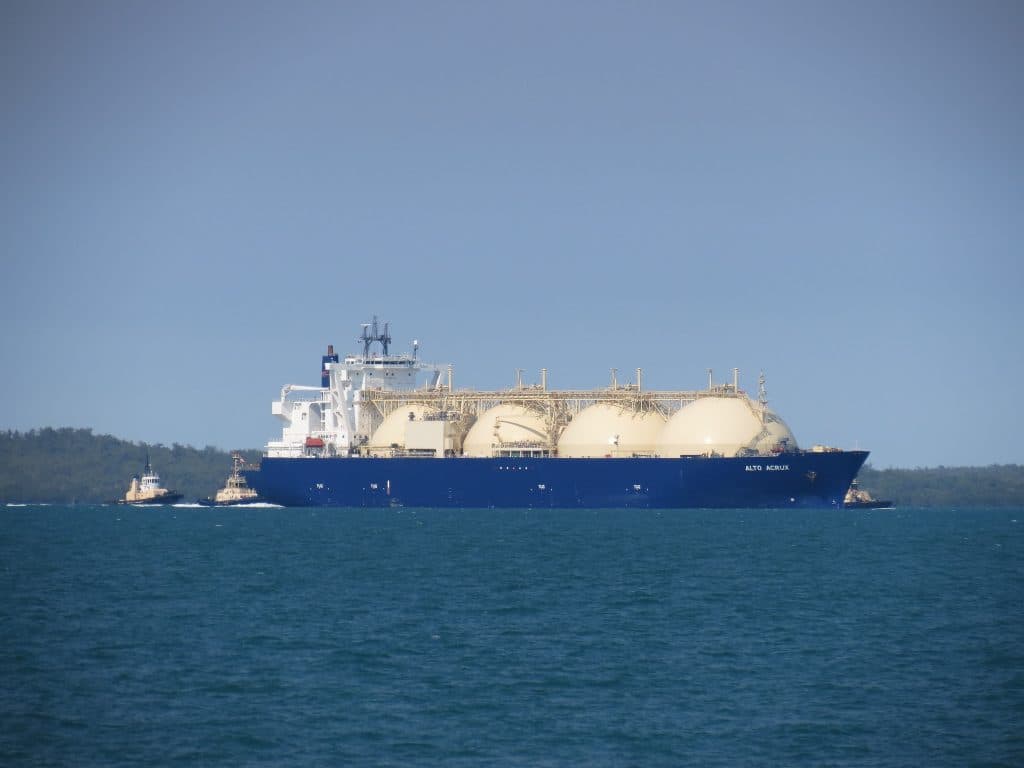
Geopolitical risk linked to fighting between the US and Iran, and restricted operations in the Strait of Hormuz, is adding to this. Around one-fifth of global LNG supplies normally pass through it. The short-term TTF contract therefore exceeded 70 EUR/MWh at the end of August. The European market responded both to the risk to LNG supplies and below-average storage levels.
Impact on competitiveness
High energy prices are a direct problem for the competitiveness of Czech companies, particularly in energy-intensive sectors such as the chemical industry, metallurgy, glassmaking, construction materials manufacturing and food processing. Companies face not only rising electricity and gas costs, but also higher input prices from suppliers facing the same pressure. If businesses cannot pass the higher costs on into prices, their margins and scope for investment, innovation and wage growth decline. If they do pass them on, they may lose contracts to competitors in countries with cheaper energy.
In the long term, this threatens production cuts, the relocation of part of production outside Europe, and a weakening of Czech industry's position in international supply chains. The Draghi report also highlighted this, describing high energy prices as one of the main obstacles to the competitiveness of European industry.
Why the price increase is not yet more visible
The rise in wholesale prices is not immediately reflected in household and corporate bills. Suppliers purchase energy gradually, and some customers have fixed prices. The final bill also includes a regulated component, taxes and other charges. Wholesale price increases can therefore remain outside the main public debate for several months.
The first impacts are already apparent. ČEZ, for example, increased the prices of some fixed-price electricity products by around 6% and gas products by up to 17%. If current wholesale levels persist, other suppliers will face the same pressure when setting new price lists and fixed-price offers.
Current developments cannot be explained by a one-day fluctuation or an isolated increase in the price of a single commodity. Annual electricity and gas contracts, emission allowances and oil are all trading at higher levels, while gas storage facilities are significantly less full than a year ago.
Translation disclaimer
This article is a machine translation of the Czech original and has not yet been fully reviewed. In case of any doubt, please refer to the Czech version.