21 October 2026, 06:41
Loading...
Sand instead of battery storage. Winning team at the Czech Energy Olympiad proposes revolutionary way to store surplus energy
oEnergetice.cz
28 November 2024, 19:44
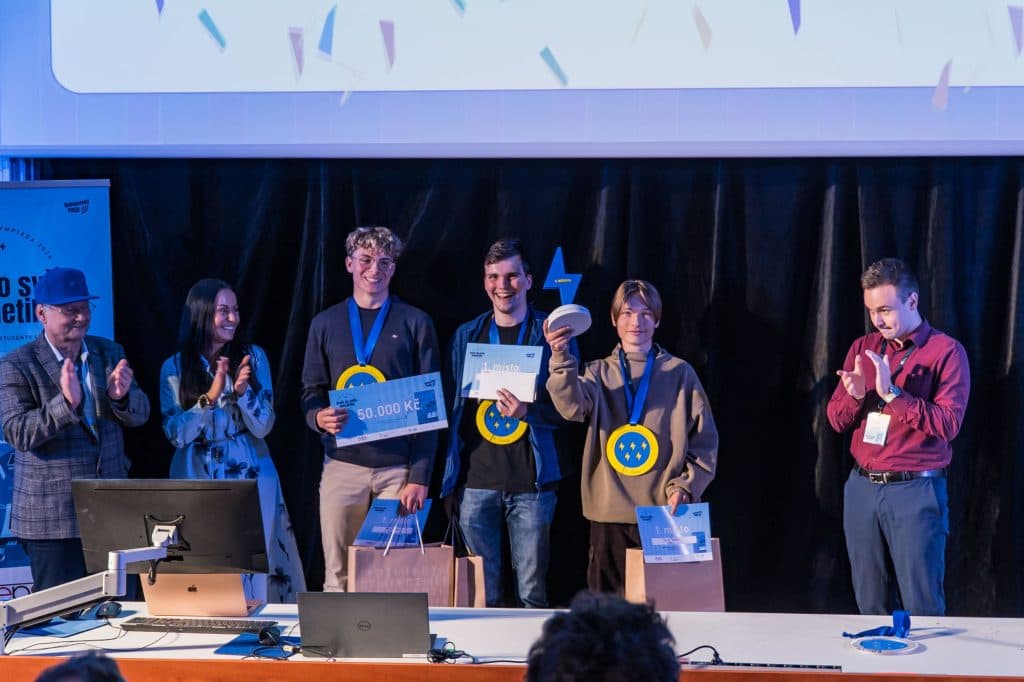
On 7 and 8 November 2024, the final of the 7th Energy Olympiad, organised by Energy Literacy, took place at the Faculty of Electrical Engineering (FEE) of the Czech Technical University in Prague. The winning team was made up of students from PORG grammar school in Prague, who worked on a project about how active customers can contribute to decarbonisation. The secondary school students proposed converting surplus energy from photovoltaic power plants into heat and storing it in sand instead of conventional lithium-ion batteries.
A total of 460 teams registered for the competition this year, representing more than 1,300 students from secondary schools and grammar schools. Seventy contestants in 25 teams made it through to the two-day final in Prague. During the day, students had to develop a project on one of the fourteen topics that organisers consider major challenges facing the energy sector today. These included, for example, the use of artificial intelligence in managing the transmission system, the use of drones by energy distributors, and the “Digital Twin” concept for optimising the operation and maintenance of renewable energy sources.
The Energy Olympiad gives students the opportunity to think unconventionally
The winning team from PORG grammar school in Prague, consisting of Benjamin Hudec, Ádám Sátor and Václav Verner, impressed the judges with both its idea and its presentation. After finishing second last year, the team took the overall victory this year.
Second place went to David Daniel Šlapal and Albert Schwanzer from Brno-Bystrc Grammar School, who focused on energy storage and its use in managing the grid. Their idea was a new control system combining IoT devices in household batteries with a web application that maps customers’ consumption behaviour.
The judges awarded third place to the Digital Twin concept—a digital replica for renewable energy sources installed in the grid, able to use system parameters to indicate preventive maintenance, improve the accuracy of forecasts and simulate the impact of climate conditions. The idea was put forward by Aleš Bláha, Vojtěch Beneš and Ivan Žemlička, representing J. V. Jirsík Grammar School in České Budějovice.
Source: Energy Olympiad
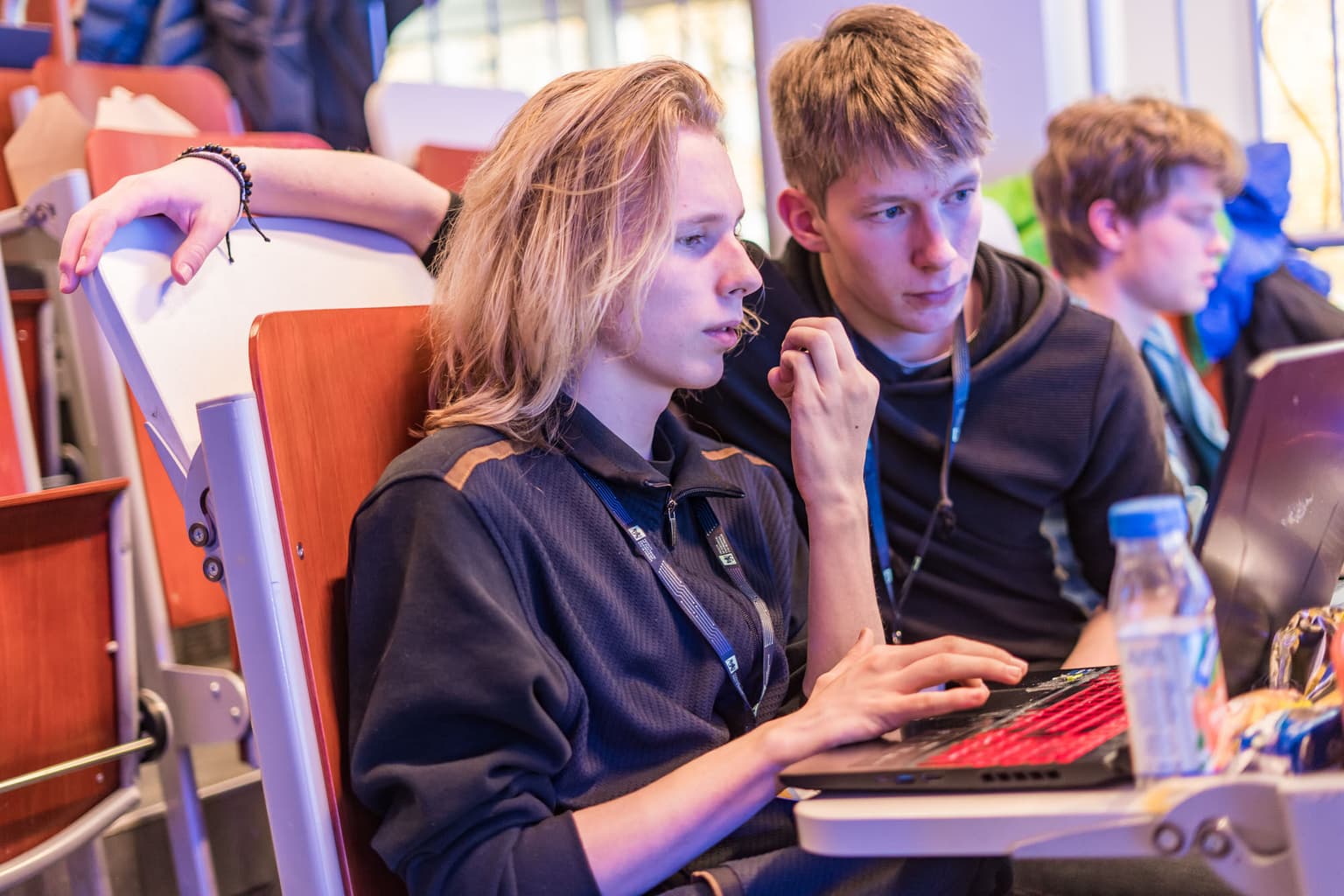
As part of the competition, contestants had five hours to develop a project on one of the topics that organisers consider current issues in the energy sector. Karel Vinkler, Director of Strategy at ČEPS a.s., said the standard was very high again this year and the students were excellent. “It’s great to see that the energy sector is alive among secondary school students too, and that they can respond to current trends, including financing and even ESG, which is a new topic for us experts,” Vinkler added.
The final included a series of lectures in the morning, opened by Petr Páta, Dean of FEE CTU. Presentations by the partner companies followed. “These experts were also available to students throughout the day as advisers and mentors. It is an interesting experience to meet engaged students and hear their perspectives on issues and new challenges in the energy sector,” said Adéla Holasová, founder of the Energy Literacy project.
Next year will see the seventh edition of the Energy Olympiad: the school round will take place on 17 October 2025 and the final on 6 and 7 November 2025.
Translation disclaimer
This article is a machine translation of the Czech original and has not yet been fully reviewed. In case of any doubt, please refer to the Czech version.
Sdílejte článek prostřednictvím:
You might also like
20 October 2026, 15:34
20 October 2026, 12:55
20 October 2026, 10:49