
23 October 2026, 14:38
Loading...
European gas prices hit a two-year high amid cold weather

oEnergetice.cz, ČTK
10 February 2025, 14:00
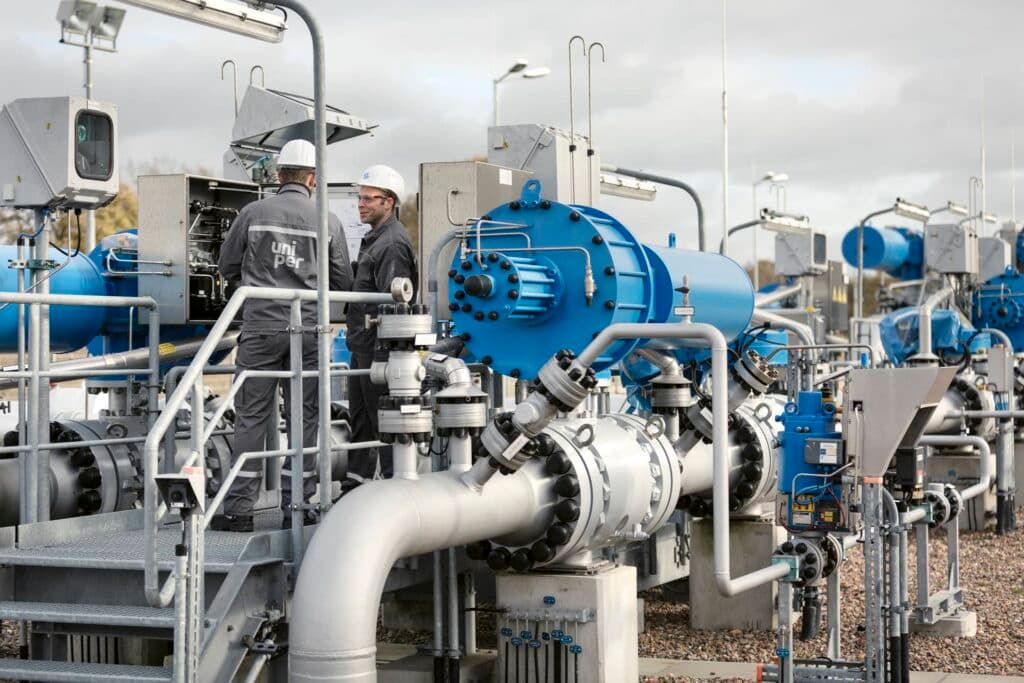
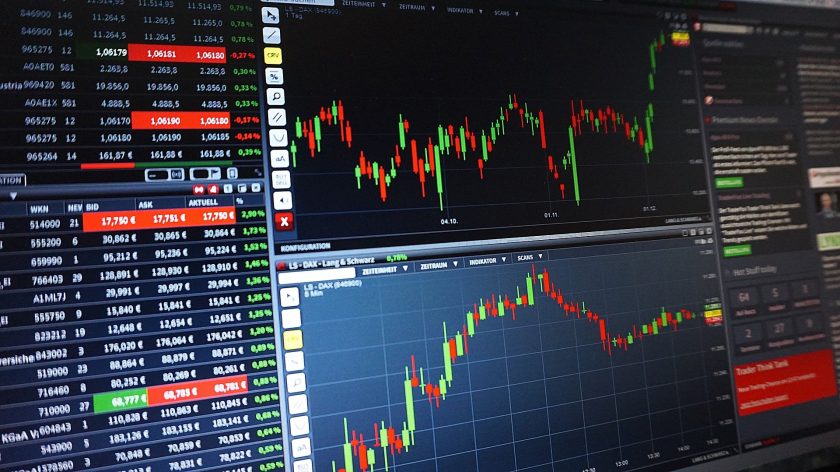
The wholesale price of gas for the European market hit a two-year high this morning, its highest level since February 2023. Before 10:15 CET, the commodity at the Title Transfer Facility (TTF), a virtual trading hub in the Netherlands, was trading up 4.9 percent at 58.46 euros (CZK 1,220) per megawatt-hour (MWh). Colder weather, which is forecast in northwestern Europe through the end of the month, is boosting demand for gas, Reuters reported.
Since the start of this year, Europe has had to replace supplies of around five percent of its gas following the halt in Russian gas flows through Ukraine, and is therefore relying more heavily on storage facilities, whose levels are already below the average for this time of year. Russian gas stopped flowing through Ukraine after a five-year transit contract expired at the end of last year, with the government in Kyiv refusing to extend it.
Ukraine has been increasing gas imports from Poland, Hungary and Slovakia since last week, following a series of Russian missile attacks on Ukrainian gas facilities, Reuters reports. Kyiv will also import natural gas in a high volume of 16.3 million cubic metres today, the same as on Sunday.
„Kyiv clearly has to make up for the gas lost in the attacks by importing more from Slovakia and Hungary. It is a paradoxical situation, as both countries are at odds with Kyiv over gas. They object precisely to the fact that Kyiv has not allowed gas to be transported through its territory since the start of this year,“ Lukáš Kovanda, chief economist at Trinity Bank, told the Czech News Agency.
The end of transit is encouraging Moscow to attack Ukraine's gas pipeline network, because the Russians have nothing left to lose, Kovanda warns. „Worse still, Ukraine can no longer take gas for its own use from transit flows. While Russian gas was still flowing through the country, Ukraine took a portion for itself. It officially bought it from Slovakia, for example, even though the gas never actually reached Slovakia. Kyiv effectively siphoned it off for itself while it was still on Ukrainian territory,“ Kovanda adds.
This arrangement is known as a virtual reverse flow because Russian gas—by then already purchased by Slovakia, and therefore commercially Slovak gas—flows, as it were, virtually in reverse from Slovakia to Ukraine. But with the end of Russian gas transit, Kyiv lost the ability to take Russian gas through the virtual reverse flow.
The Russian invasion of Ukraine in February 2022 contributed to an energy crisis in Europe, when regional gas prices surged, followed by global prices for liquefied natural gas (LNG). However, gas prices had already begun to rise significantly before the war in Ukraine. Some economists link this to the so-called European Green Deal, under which the European Union set a timetable for a rapid shift away from fossil fuels.
Translation disclaimer
This article is a machine translation of the Czech original and has not yet been fully reviewed. In case of any doubt, please refer to the Czech version.
Sdílejte článek prostřednictvím:
You might also like


23 October 2026, 11:01


23 October 2026, 06:34