
23 October 2026, 14:38
Loading...
Gas imports to Germany fell 11 percent last year; Czechia is important for exports

oEnergetice.cz, ČTK
8 January 2025, 17:03
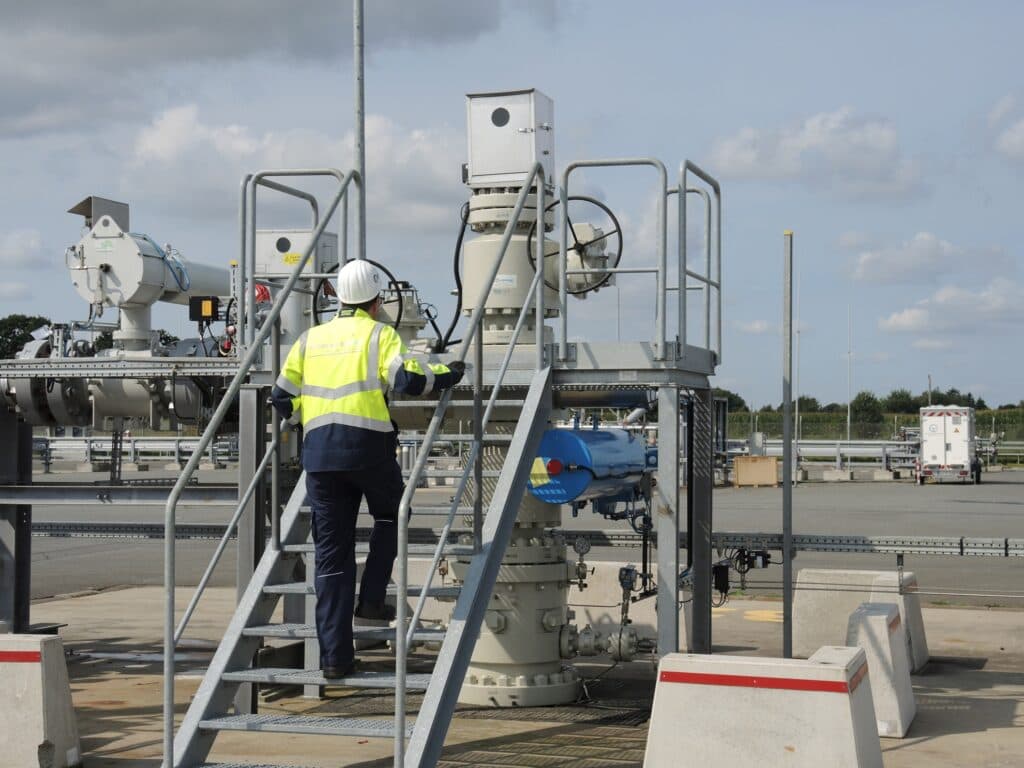
Imports of natural gas into Germany fell by 11 percent last year, with Norway the largest supplier. Exports then fell by more than half. The Czech Republic was among the main destinations for gas from Germany. This is according to data published today by the network regulator Bundesnetzagentur.
According to preliminary data, imports fell to 865 terawatt-hours (TWh) from 968 TWh in 2023. Norway accounted for 48 percent of total deliveries, followed by the Netherlands with 25 percent and Belgium with 18 percent.
Gas exports from Germany fell to 89 TWh from 187 TWh the year before. The largest volumes of gas from Germany went to the Netherlands and the Czech Republic. The Netherlands accounted for 34 percent of total exports and the Czech Republic for 33 percent. Austria ranked third, with a 14 percent share.
Gas consumption in Germany stood at 844 TWh last year, 3.5 percent more than the previous year. Households accounted for 39 percent of total consumption and industry for 61 percent. Last year's consumption was 14 percent below the average for 2018 to 2021.
Germany also produced 36 TWh of gas last year, roughly the same as the previous year. The country has few domestic production facilities, and gas is also supplied to the network from other processes, primarily from biogas production.
Following the Russian invasion of Ukraine in 2022, Germany, like other major European countries, sought to significantly reduce its dependence on Russian gas. From the end of 2022, Germany began building floating terminals to import liquefied natural gas (LNG) from the global market. Last year, LNG terminals accounted for eight percent of the country's total gas imports.
Germany's large gas storage facilities were almost 77 percent full as of Tuesday morning. The regulator added that gas had been withdrawn from storage since 4 November; on 3 November, storage facilities were 98 percent full. The heating season runs until the end of March, Reuters noted. By comparison – Czechia's storage facilities were almost 64 percent full as of Tuesday morning, while the average across the European Union was slightly above 69 percent.
In a separate statement, the German regulator noted that renewable power capacity stood at 190 gigawatts (GW) at the end of last year, a year-on-year increase of 12 percent. Renewables accounted for almost 60 percent of the country's total electricity generation last year. Germany is accelerating the approval of energy capacity projects so it can generate more electricity from wind and solar and reduce its dependence on fossil fuels.
Translation disclaimer
This article is a machine translation of the Czech original and has not yet been fully reviewed. In case of any doubt, please refer to the Czech version.
Sdílejte článek prostřednictvím:
You might also like


23 October 2026, 11:01


23 October 2026, 06:34