
28 October 2026, 15:10
Loading...
Developing Germany's distribution grids will require hundreds of billions of euros

David Vobořil
23 May 2024, 10:54
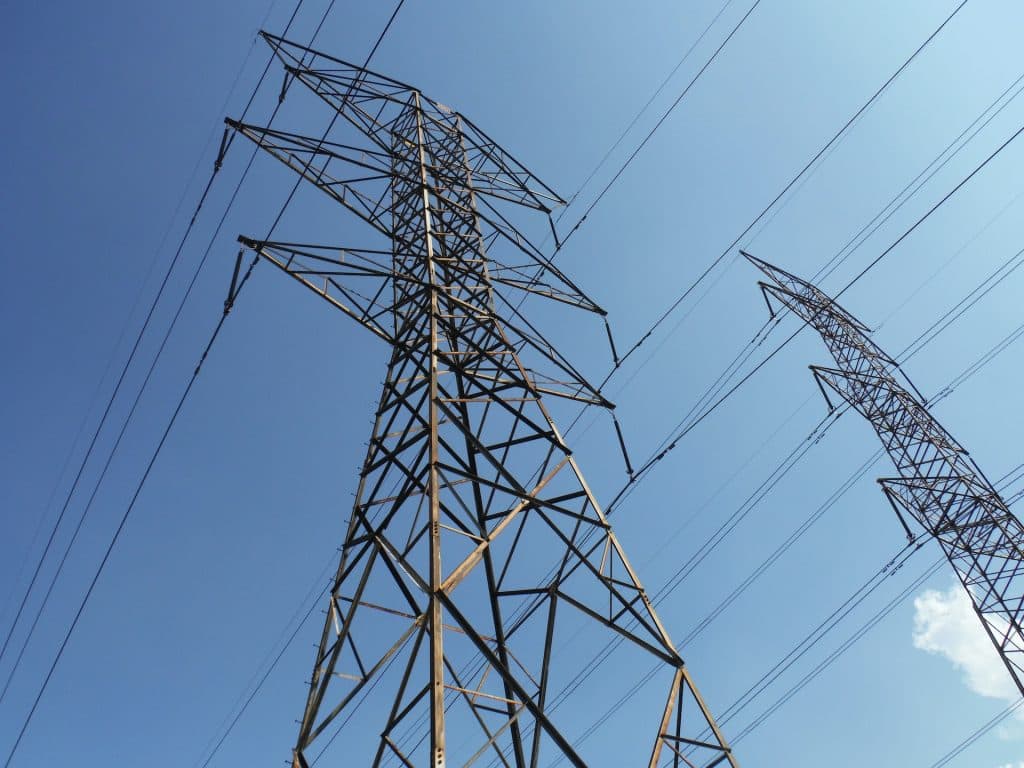
Germany's main distribution system operators expect the development of distribution grids to require approximately 110 billion euros over the next ten years. Electricity consumers will pay part of the costs of installing new lines through so-called network charges. The German grid regulator announced this last week in response to a request from German news agency dpa.
German distribution system operators expect to spend 110 billion euros on developing distribution grids by 2033, with a further 10 billion euros required to replace existing power lines. In 2034-2045, the expected costs of grid development are set to reach 90 billion euros, with another 20 billion euros needed to renew existing lines.
Under an amendment to the Energy Industry Act, distribution grid operators were required to submit their plans to the regulatory authority by the end of April. The authority surveyed the 82 largest distribution system operators in Germany, which cover 100% of high-voltage lines (35 - 110 kV) and approximately 80% of medium-voltage (10 or 35 kV) and low-voltage (less than 1 kV) lines. According to BNetzA, there are 866 distribution system operators in Germany in total.
"The costs of expanding the grids are included in network charges only on a proportional basis and are spread over decades," said a spokesperson for Germany's grid regulator (BNetzA).
The development of Germany's distribution grids is lagging behind the growth of renewable energy and electric mobility. As a result, distribution system operators have to restrict the connection of some devices in many areas. New legislation gives them the option, starting this year, to limit electricity supplies to heat pumps and electric vehicle charging points, with the aim of easing restrictions on connecting new devices.
Approximately two million kilometres of distribution grid in Germany
The distribution system, which delivers electricity to end customers, comprises high- to low-voltage grids. Germany's distribution system lines extend for approximately two million kilometres.
By contrast, the transmission system, which comprises extra-high-voltage lines, is used to transmit electricity over longer distances. Germany has around 36 thousand kilometres of transmission system lines.
For comparison, BNetzA estimates that developing the transmission grid will cost approximately 320 billion euros by 2045. The BDEW association and consulting firm EY estimate that transforming Germany's energy system towards greater use of renewable energy will cost approximately 700 billion euros in total.
Users can comment on the plans
BNetzA noted that grid users now have the opportunity to comment on distribution grid development plans on the distribution system operators' online platform. The authority now intends to analyse the information from grid operators in greater detail and then report on construction requirements across Germany. Companies will next have to submit their plans in 2026.
Translation disclaimer
This article is a machine translation of the Czech original and has not yet been fully reviewed. In case of any doubt, please refer to the Czech version.
Sdílejte článek prostřednictvím:
You might also like

28 October 2026, 13:08

28 October 2026, 11:10

28 October 2026, 09:08
