4 November 2026, 12:34
Loading...
Gas storage operators in Germany call for support for hydrogen storage

Jan Budín
27 October 2023, 11:52
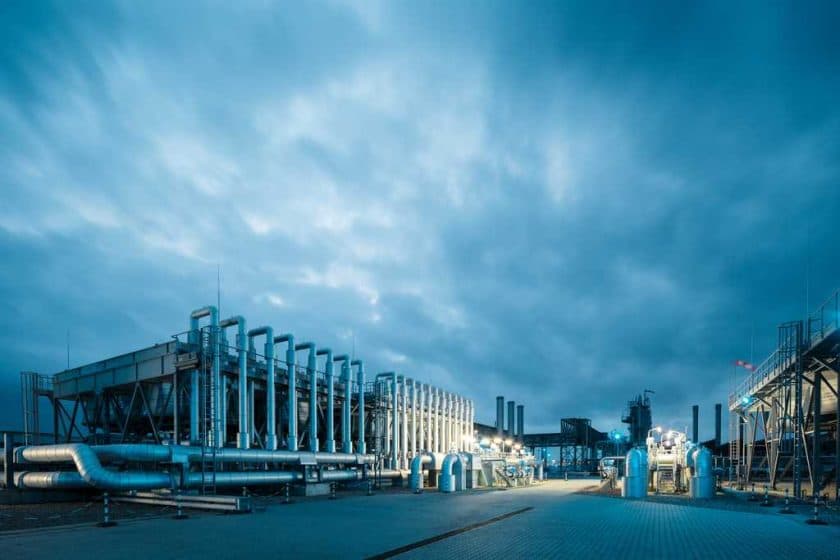
The German Gas Storage Operators Association (INES) is calling for the introduction of operational support in the form of Contracts for Difference (CfDs) for hydrogen storage. The association says that significant economic risks, particularly those related to the pace at which hydrogen use will take off, are deterring investors from undertaking the necessary projects.
A joint study by INES, the oil and gas association BVEG, and the German Gas Storage Operators Association INES, conducted last year, estimated that up to 41 TWh of new hydrogen storage capacity will need to be built to carry out Germany’s planned energy transition. This assumes that all suitable existing natural gas storage facilities will also be used for this purpose.
The study’s authors estimated the cost of converting existing storage facilities at 1.6 billion euros. The cost of building new storage facilities was put at a further 11 billion euros.
According to INES, introducing operational support for hydrogen storage in the form of so-called Contracts for Difference is essential to ensure that the necessary projects go ahead.
“These would ensure that the state guarantees a set return for future hydrogen storage operators, compensating them for any shortfall in revenue or, conversely, recouping revenue above the agreed return over the contract period,” explains the international news service ICIS.
Not all existing gas storage facilities can be used
According to the study cited above, around 31 TWh of hydrogen could eventually be stored in Germany’s 31 existing underground cavern natural gas storage facilities, which can be relatively easily adapted for hydrogen storage.
The transition from natural gas to hydrogen is more complicated for so-called porous storage facilities. The study estimates that only 4 of the 16 existing facilities of this type could be used to store hydrogen. The available storage capacity at these four facilities could be around 1.7 TWh.
No hydrogen storage facilities are currently operated commercially in Germany. Several pilot projects are under way and have demonstrated that the concept is feasible, but, according to ICIS, no final investment decision has yet been made on any of the projects.
Translation disclaimer
This article is a machine translation of the Czech original and has not yet been fully reviewed. In case of any doubt, please refer to the Czech version.
Sdílejte článek prostřednictvím:
You might also like


4 November 2026, 09:09