
23 October 2026, 14:38
Loading...
German regulator wants to cut connection fees for batteries and electrolysers in renewables-rich areas

Jan Budín
25 November 2024, 06:35
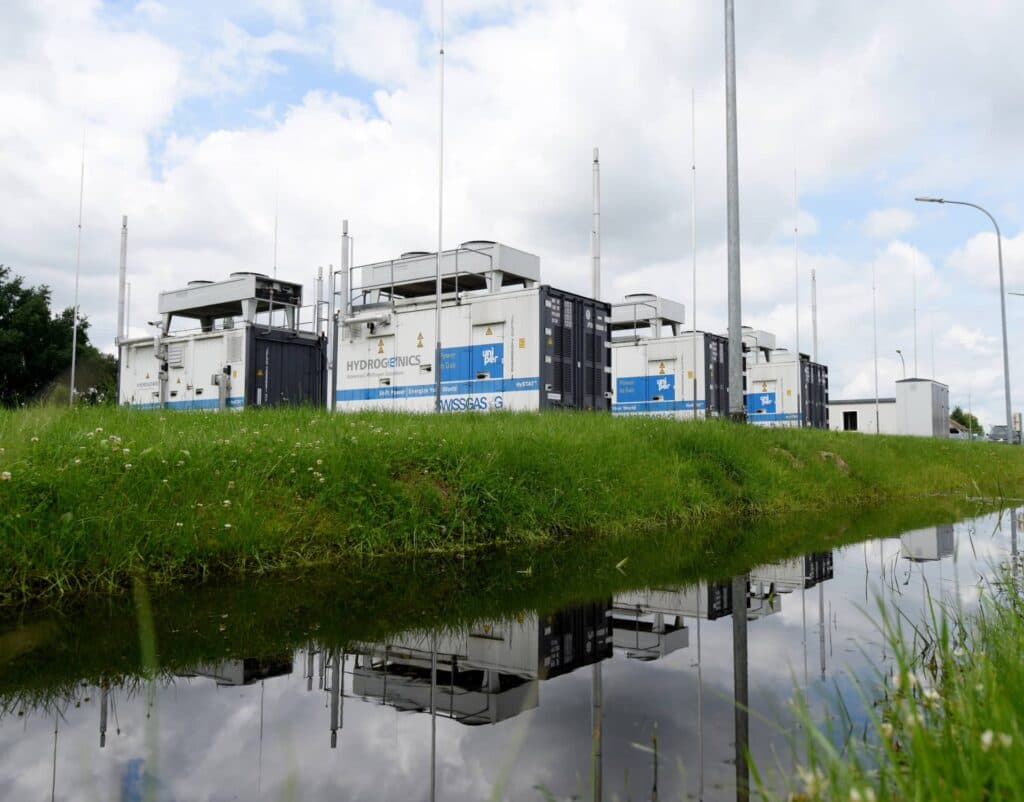
New large-scale battery systems and electrolysers for producing green hydrogen could pay a lower fee to connect to the electricity grid in Germany in areas where surplus electricity from renewable energy sources (RES) is common. The proposal comes from the German energy regulator BNetzA and aims to reduce the amount of curtailed RES electricity. The international news outlet Clean Energy Wire reported on the proposal.
Germany had to curtail around 19 TWh of renewable electricity generation in 2023 because of bottlenecks in its electricity grid. This represents about 4% of Germany’s total annual electricity generation.
To prevent a significant increase in curtailment in the future as installed solar and wind capacity grows, the German energy regulator wants to encourage investors in battery storage and electrolysers to build their projects in areas with the highest levels of RES electricity generation. The proposed reduction in the one-off grid connection fee is one measure intended to help achieve this.
“Users of the electricity grid should bear operating costs at a level that reflects how beneficial their location is to the operation of the grid as a whole,” BNetzA chief Klaus Müller said, adding that grid development as part of the energy transition is costly, making it important to introduce price signals that encourage the sensible and cost-effective use of connection capacity.
According to an example included by BNetzA with its proposal, the one-off connection fee could be reduced by several dozen percent. The fee is currently set at up to EUR 100,000/MW.
Translation disclaimer
This article is a machine translation of the Czech original and has not yet been fully reviewed. In case of any doubt, please refer to the Czech version.
Sdílejte článek prostřednictvím:
You might also like


23 October 2026, 11:01


23 October 2026, 06:34