4 October 2026, 21:07
Loading...
Germany approves rule limiting fuel price hikes to once a day

oEnergetice.cz, ČTK
26 March 2026, 13:02
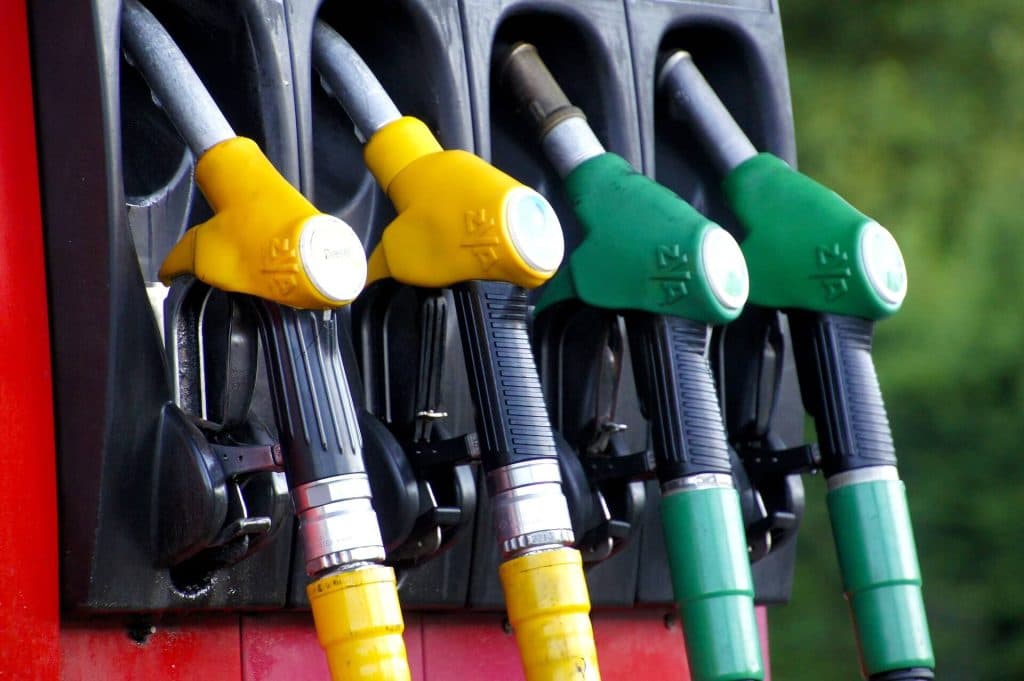
Berlin, March 26 (CTK) – Members of the German Bundestag today approved a package of measures in response to rising fuel prices due to the war in Iran. For example, petrol stations will henceforth be allowed to raise prices only once a day; until now, prices have changed as many as 50 times a day. The Federal Cartel Office has also been given greater powers. The package still needs approval from the parliament’s upper house, the Bundesrat. It could come into force before Easter.
Fuel prices began to rise because of the war, which was launched by US-Israeli attacks on Iran at the end of February. The stated aim was to prevent Tehran from further developing its military nuclear and ballistic missile programmes. In retaliation, Iran launched attacks on Israel, US military bases in the Middle East, and military and civilian targets in neighbouring Arab states. According to the Iranian exile human rights organisation HRANA, the attacks in Iran have claimed more than 1,400 lives.
The German government announced the package of measures to tackle high fuel prices two weeks ago. Economy Minister Katherina Reiche also said at the time that Germany would comply with a call from the International Energy Agency (IEA) and release some of its oil reserves.
Under the approved measure, petrol stations will henceforth be allowed to raise prices only once a day, at noon. They will still be able to lower prices at any time. The German government took inspiration from Austria and hopes the law will make the market more predictable and transparent. Petrol stations that violate the new rule could face a fine of up to €100,000 (2.4 million crowns).
Petrol and diesel prices at German filling stations are now above two euros per litre. In recent weeks, German media have widely reported that residents in the eastern border regions are driving to Czechia and Poland to fill up, where prices are lower than in Germany.
The measures approved today still need the consent of the Bundesrat, the upper house of parliament, which represents the interests of Germany’s 16 federal states. It will vote on them on Friday, and approval is expected. The government plans to review the law after it has been in force for a year.
Economist Justus Haucap said the new measure could make it easier for consumers to compare prices. “Whether it will succeed in sustainably lowering prices, however, is unclear,” he added in an assessment for the Bundestag. Andreas Mundt, head of the Federal Cartel Office, said fuel prices in Germany are extremely volatile. On average, he said, petrol stations change their prices 20 times a day, and sometimes as many as 50 times.
The aim of the amendment to the law governing the Federal Cartel Office is to shift the burden of proof to businesses. The government wants to strengthen competition in the fuel market and ultimately bring prices down.
Today’s package may not be the last measure the government adopts to combat high fuel prices. Chancellor Friedrich Merz indicated during parliamentary questioning on Wednesday that he was open to further steps. He said that one package “will not be enough to curb prices to the extent that they become affordable for consumers again”. Measures under discussion include a temporary cut in energy tax, higher flat-rate allowances for commuters, and a price cap on petrol and diesel.
During today’s debate ahead of the package’s approval, a number of MPs also called for a windfall tax on companies in the energy and fossil fuel sectors. Germany has already introduced a similar tax once before, in response to the energy crisis that followed Russia’s aggression against Ukraine.
Translation disclaimer
This article is a machine translation of the Czech original and has not yet been fully reviewed. In case of any doubt, please refer to the Czech version.
Sdílejte článek prostřednictvím:
You might also like
3 October 2026, 13:01
3 October 2026, 07:43
2 October 2026, 21:55