
23 October 2026, 14:38
Loading...
Germany: Renewables’ share of electricity steadily rises, while transport and heating lag behind

Jan Budín
22 December 2024, 08:52
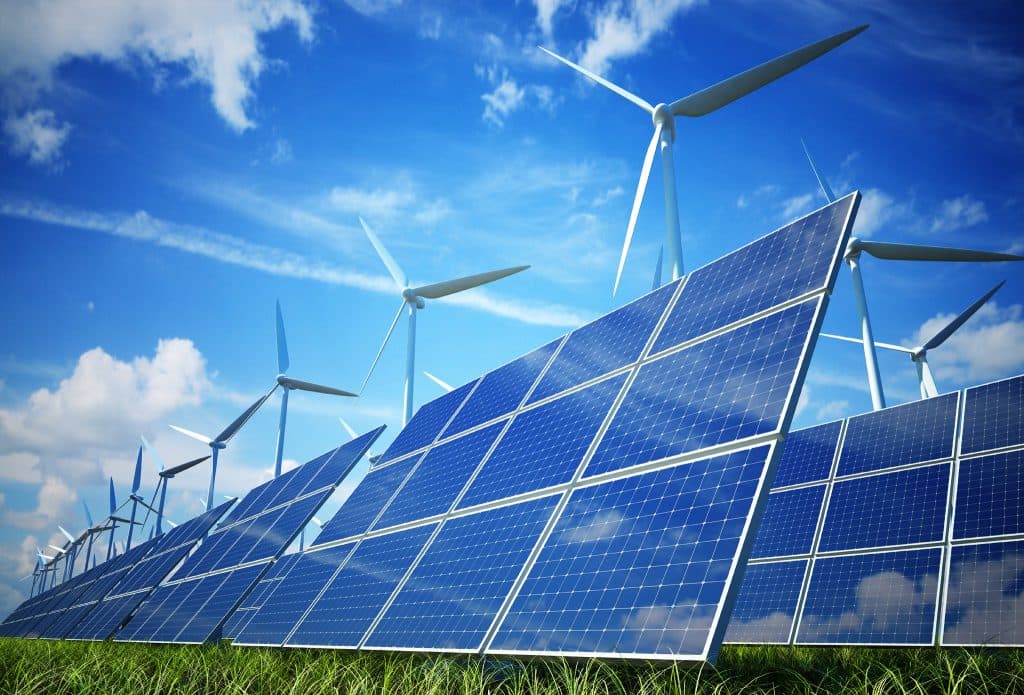
The development of renewable energy sources (RES) in Germany varies widely across the sectors surveyed. While the share of RES in electricity consumption is steadily rising and is set to reach around 54% this year, the share of RES in heat production is expected to increase only slightly, and a decline is even forecast in transport. The German Environment Agency (UBA) reported.
Gross electricity generation from renewable sources in Germany is expected to reach 285 TWh this year, representing a year-on-year increase of 4%. As a result, these sources are expected to account for around 54% of gross electricity consumption, up from 52.5% last year.
Wind and solar power plants are the main pillars of renewable electricity generation, together accounting for more than three quarters of electricity produced from these sources. According to the UBA, wind power plants are expected to generate around 141 TWh of electricity this year, roughly the same as in 2023. Generation did not increase year on year despite the connection of new capacity totalling 3 GW, which brought Germany’s total installed wind power capacity to 72 GW.
Solar power plants saw more significant growth in Germany this year, with installed capacity increasing by almost 16 GW to more than 98 GW. Despite less sunny weather this year, generation from these sources is expected to rise by 16% year on year to 74 TWh.
According to the UBA, electricity generation from other renewable sources, such as biomass, hydropower and geothermal energy, increased by 2% year on year.
“Despite the positive developments in electricity generation, we still need to do more. By 2030, 80% of our electricity needs are to be met by renewable sources. Development must therefore accelerate further to achieve this target, as the growing electrification of heat production and transport will increase electricity consumption,” said UBA President Dirk Messner.
The picture is different in heating and transport
As the UBA noted, decarbonising Germany’s energy sector requires not only decarbonising electricity generation, but also heat production and transport. So far, however, progress has been limited.
Despite a further increase in the number of installed heat pumps, which harness geothermal energy or heat from the surrounding environment, only a slight rise in the use of RES in the heat production sector is expected this year (less than one percentage point).
The situation is even worse in the transport sector, where the share of RES in total energy consumption is actually expected to decline in 2024. According to the UBA, this is mainly due to a fall in biofuel consumption, which was not offset by increased use of renewable electricity in rail and road transport.
“The transition to renewable sources in the transport sector will take place over the medium term through electrification. Climate-friendly fuels will also help drive the transition,” the UBA said.
Translation disclaimer
This article is a machine translation of the Czech original and has not yet been fully reviewed. In case of any doubt, please refer to the Czech version.
Sdílejte článek prostřednictvím:
You might also like


23 October 2026, 11:01


23 October 2026, 06:34