
1 November 2026, 21:20
Loading...
Germany struggles with slow offshore wind farm construction

Lukáš Lepič
6 February 2024, 10:20
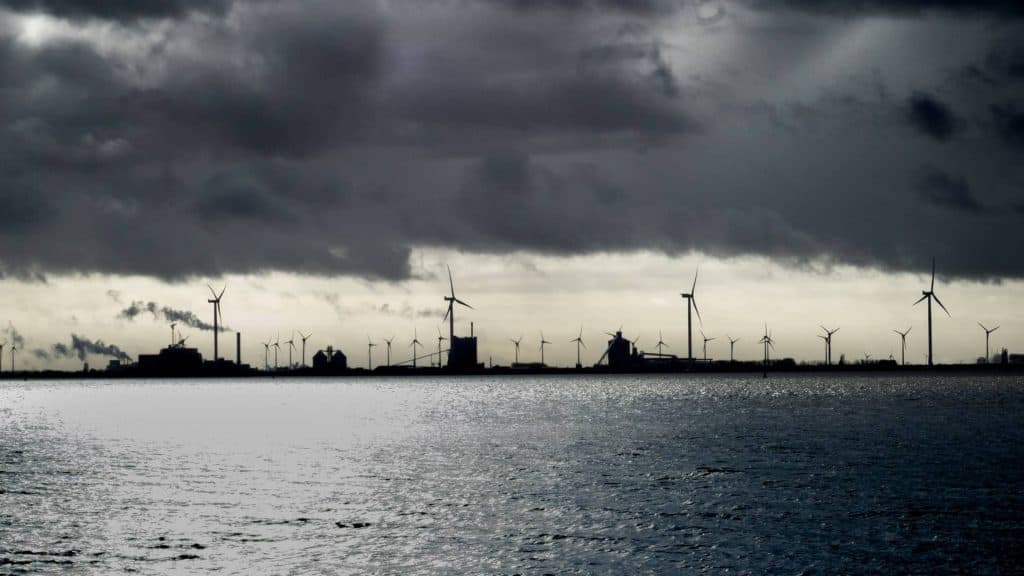
The slow pace of construction and delays in connecting wind farms to the grid are putting Germany’s offshore wind energy targets at risk. Industry organizations have drawn attention to the situation and, in response to current developments, are calling for further government support. They hope this will support the entire supply chain and give European manufacturers an advantage.
Wind energy is crucial to Germany’s transition to renewable energy. Berlin aims to generate at least 80 % of its electricity from renewable sources, such as solar and wind power, by 2030. In the case of wind farms, the German government wants to install 30 GW in the North and Baltic Seas by 2030.
Despite the tight timeline, few new sources of power have been commissioned in recent months. In 2023, just 27 offshore wind turbines, with a total installed capacity of only 257 MW, will begin supplying electricity to the grid. A further 74 foundations for structures have been built. This pace is far short of the average 3.1 GW needed to meet the target by 2030.
Currently, a total of 29 offshore wind farms with a combined installed capacity of 8 465 MW are operating in Germany. Three more projects are under construction. Two of them, with a planned combined capacity of 718 MW, are due to be commissioned this year.
Industry calls for financial support and protection from Chinese competition
“Everyone involved must understand that there are limiting factors in the expansion of offshore wind power that can determine its pace. The key bottlenecks are well known, including manufacturing capacity, ports, vessels and, last but not least, skilled workers” said Stefan Thimm, a representative of the Offshore Wind Energy Association.“We can and must address these limiting factors through industrial policy measures. This requires a comprehensive offshore wind energy strategy that takes account not only of energy industry issues, but also of the supply chain, ports and other important infrastructure,” Thimm added.
An alliance comprising machinery manufacturers (VDMA,) the offshore wind industry (BWO) and others has also called for the creation of “financial instruments and a regulatory framework that will enable the necessary investments”.
Industry representatives have long called, among other things, for support for European businesses facing competition from Chinese players. This pressure appears to have paid off, as the German government joined the “European Wind Charter” last December. The industry initiative calls on EU countries to adjust auction mechanisms for wind farms to give European manufacturers a predominant advantage and promise developers higher lease payments.
Grid connection problems are mounting
Slow construction and concerns about China are not the only problems facing German companies focused on offshore wind farms.
The government agency responsible for mapping the country’s marine economic zone sent a notice to Germany’s grid regulator (BNetzA) on 26 January, warning that connecting offshore wind farms to the electricity transmission network on land would be more difficult than expected. According to the letter, connections for several areas earmarked for construction in an auction will be delayed by up to two years.
The German newspaper Tagesspiegel attributes the delays to a lack of suitable sites in the area for building converter platforms—massive structures that collect electricity from offshore wind farms and transmit it to land via a single large cable.
“If this situation is confirmed or even worsens, it will call legally agreed expansion targets into question and send a signal of uncertainty to the value chain,” Stefan Thimm, CEO of the Federal Offshore Wind Energy Association (BWO), said at the time.
Translation disclaimer
This article is a machine translation of the Czech original and has not yet been fully reviewed. In case of any doubt, please refer to the Czech version.
Sdílejte článek prostřednictvím:
You might also like

1 November 2026, 16:09
1 November 2026, 07:59

31 October 2026, 12:55

31 October 2026, 08:21