This week, we’re once again bringing you a carefully selected list of the ten most significant articles we published on oEnergetice.cz. If you missed any of them, here’s a selection of the articles that attracted the most interest from our readers. Good luck in the new week!
More than half of Czech households plan to save more on heating this year than last year. Nearly one in four Czechs already says they are not comfortable with the temperature at home, almost twice as many as last year. This is mainly due to concerns about further energy price rises, which 77 percent of people expect amid the tense geopolitical situation. That is according to a survey conducted by Ipsos for energy company epet.
According to the survey, conducted in the first half of October among 1044 respondents, 54 percent of households plan to save more energy this year because of the geopolitical situation, with around one in eight planning significant savings.
Large-scale battery storage in Australia’s NEM market supplied more electricity than gas-fired power plants during the evening peak for the first time in the third quarter. This is another consequence of Australia’s “battery boom.” The average wholesale electricity price fell 27% year on year to AUD 63/MWh, its lowest level for a third quarter since 2021. The past quarter was positive for storage operators in at least one respect: the price spread on which their revenues depend stopped falling after a sharp drop.
The NEM covers eastern and southeastern Australia. At the end of September, the total capacity of large-scale batteries connected to it exceeded 10 GW, with a storage capacity of 23 GWh. In the past year alone, storage facilities with a capacity of 4 375 MW and 12 628 MWh began trial operations. Of that total, 860 MW and 2 970 MWh came online in the third quarter alone. Total system load in the third quarter was around 25.4 GW.
Australia’s Snowy Hydro 2.0 pumped-storage hydropower project, which we reported on in 2017 and two years later when it received government approval, has become a textbook example of how the costs and timelines of major infrastructure projects can differ significantly from the original estimates.
When then-Australian Prime Minister Malcolm Turnbull backed the project in 2017, the investment was expected to total $2 billion. However, the feasibility study we cited at the time had already estimated the cost at $3.8 billion to $4.5 billion. The reason was the challenging geological conditions revealed by exploratory drilling.
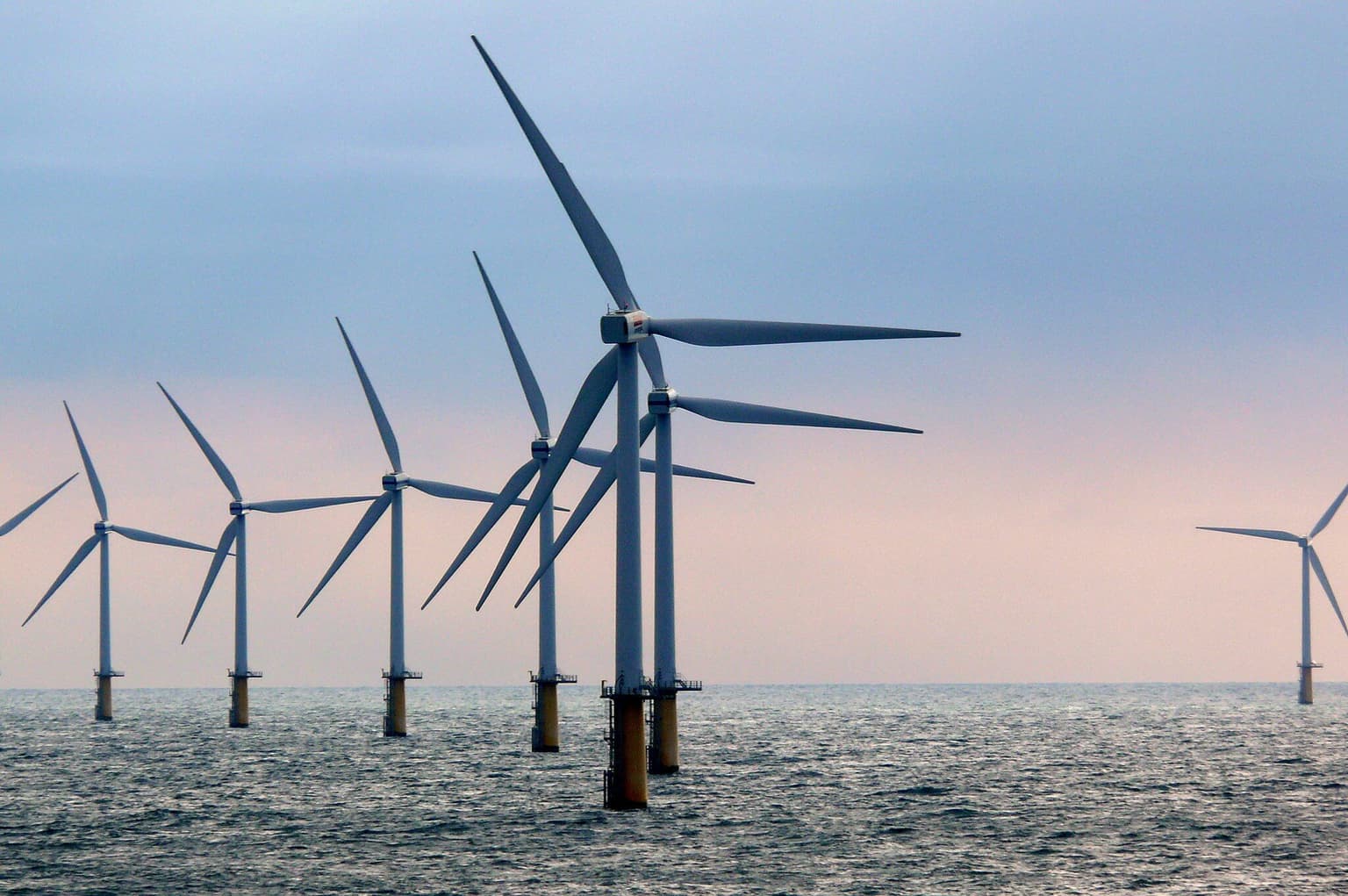
In October, the US Department of Justice asked federal courts to revoke key permits for three offshore wind projects with acombined capacity of around 5.5 GW. One of them is Revolution Wind, whichhas been supplying electricity to the New England grid since March. Regulatory uncertainty in the US therefore affects not only projects under construction, but also an operating power plant. It also threatens a fragile Senate agreement on permitting reform.
The US Department of Justice filed motions in cases brought against the projects by their opponents. In the case of Maryland Offshore Wind, the lawsuit was filed by the mayor and city council of the resort town of Ocean City. For New England Wind and Revolution Wind, the government joined lawsuits brought by New England groups ACK For Whales and Green Oceans, which oppose wind farms on the grounds of protecting marine life.
Governments across Europe are looking at how to protect consumers from rising energy costs and higher inflation as wars in Iran, Ukraine and Yemen drive oil and natural gas prices sharply higher. Prices are now about three times their level before the war in Iran began at the end of February, and the benchmark European gas price for delivery the following month on Wednesday exceeded EUR 100 per MWh for the first time since December 2022.
Rising energy commodity prices are putting governments under pressure from consumers and prompting debate over what measures can be taken without disrupting the European market. The Italian government, for example, has been lobbying the European Commission for several months to allow the use of public funds to reduce gas and electricity costs for households and businesses.
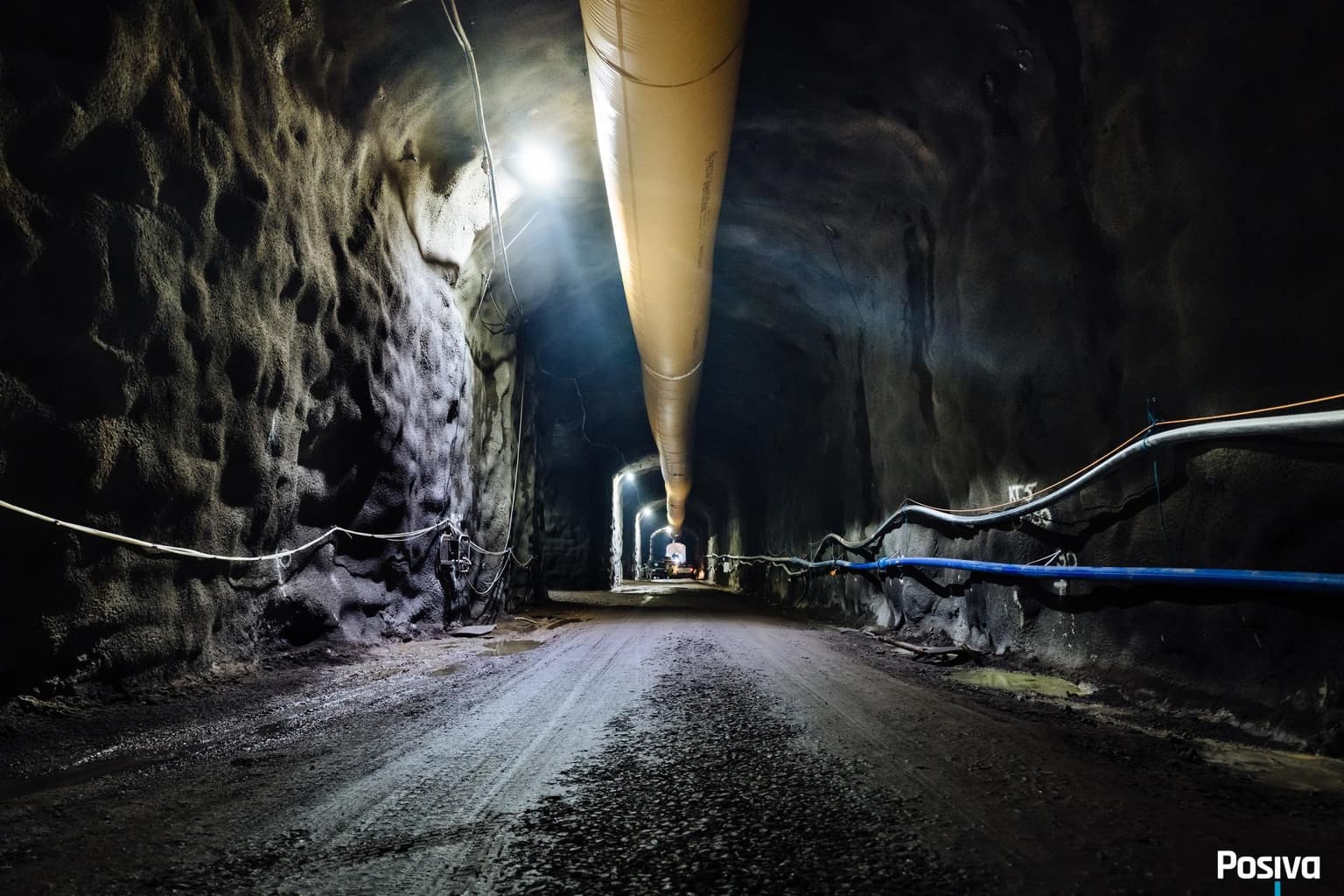
Finland has become the first country in the world to grant an operating licence for a deep geological repository for spent nuclear fuel. The Onkalo project has thus moved closer to starting operations. However, the actual disposal of fuel is still subject to the completion of final tests and inspections by the nuclear regulator.
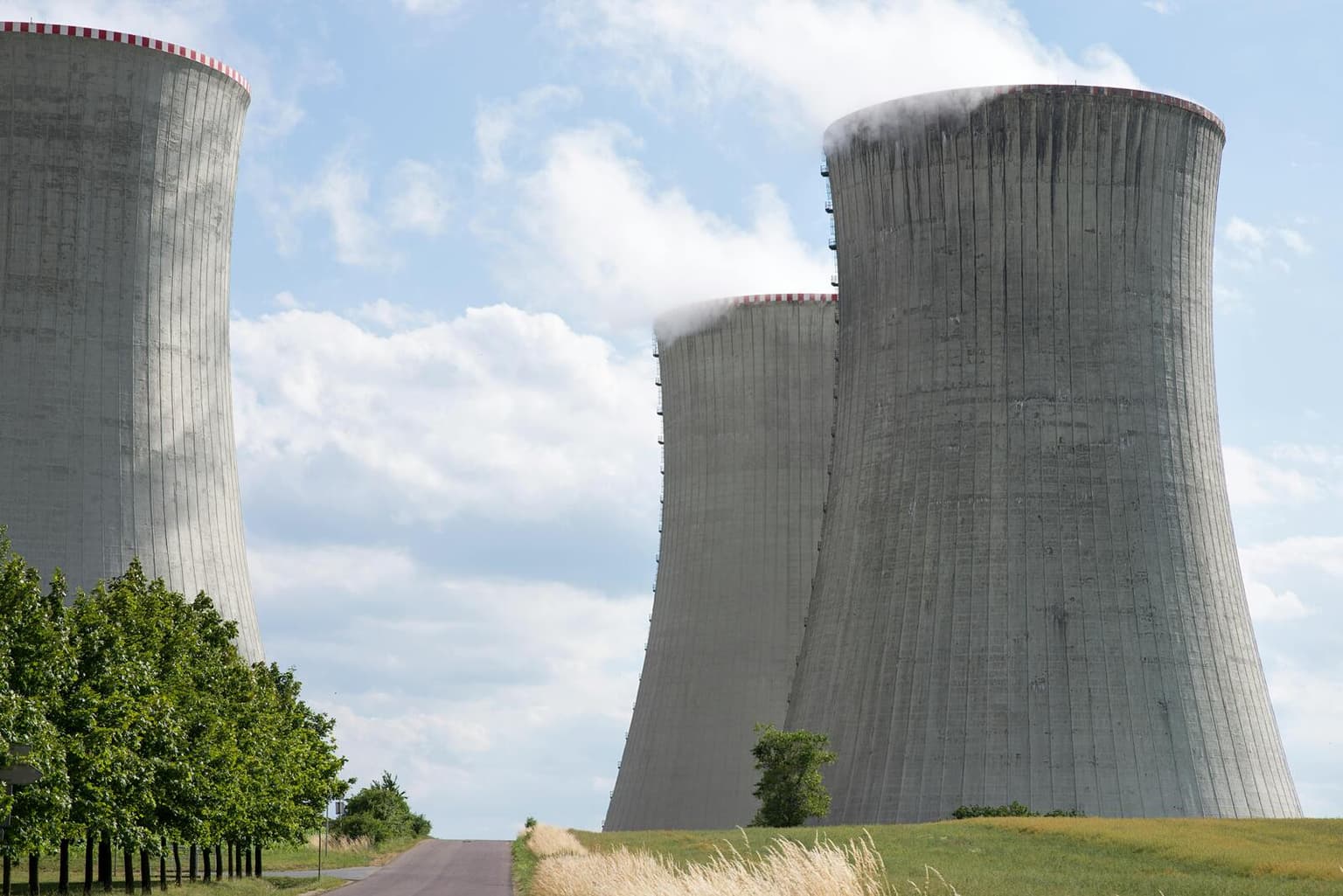
South Korean company KHNP has launched a tender for hybrid cooling towers for new nuclear units at Dukovany. The contract covers design, technology supply and construction of the towers. KHNP informed the Czech News Agency (CTK) of the tender today. It will be held as a restricted competition, open to two consortia that include Czech companies. The Korean company has previously pledged that Czech firms would participate in around 60 percent of the project.
Construction of new nuclear units in Czechia is expected to be the largest domestic contract ever. At last year’s prices, the cost of building two reactors at Dukovany is 407 billion crowns. According to the Korean company, preparations for construction are proceeding as planned.
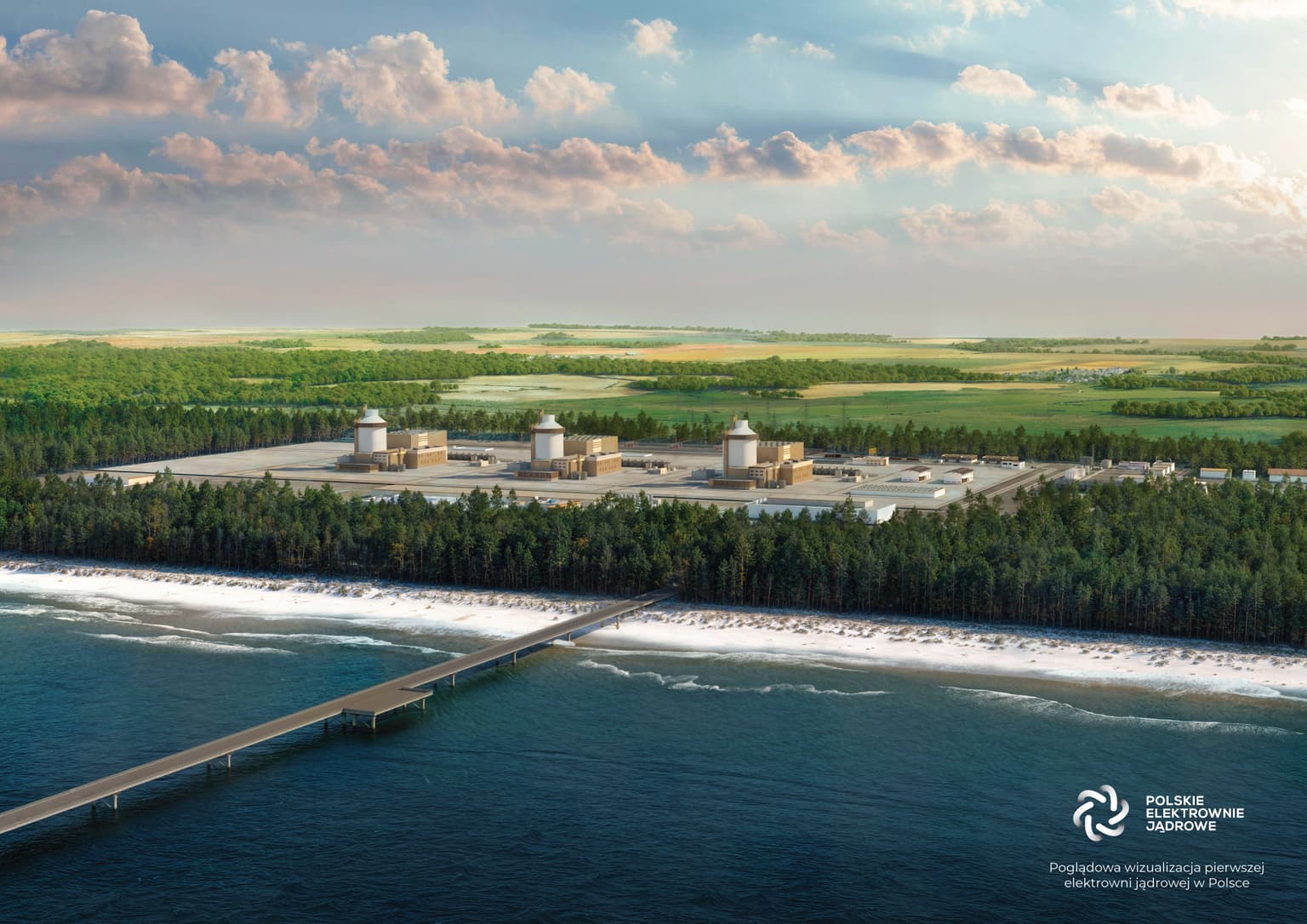
Preparations for new nuclear power sources in Europe and Asia are progressing through further investment agreements and technical milestones. Poland is developing projects for both large and small reactors, Indonesia has agreed with Rosatom on electricity supplies from floating nuclear power plants, and a Chinese demonstration SMR has entered the next phase of pre-operational testing.
On the path to a greener future, Europe relies on a transition fuel: natural gas. But its price is rising, and it will probably happen again with every major disruption in the global market. Domestically produced biogas has limited potential, and we will have to wait at least another 25 years for hydrogen, says Lukáš Dobeš, chairman of the Cogen Czech association.
Cogen Czech brings together companies and experts in the field of cogeneration units. These produce electricity and heat simultaneously, capturing waste heat and using it for heating or hot water.
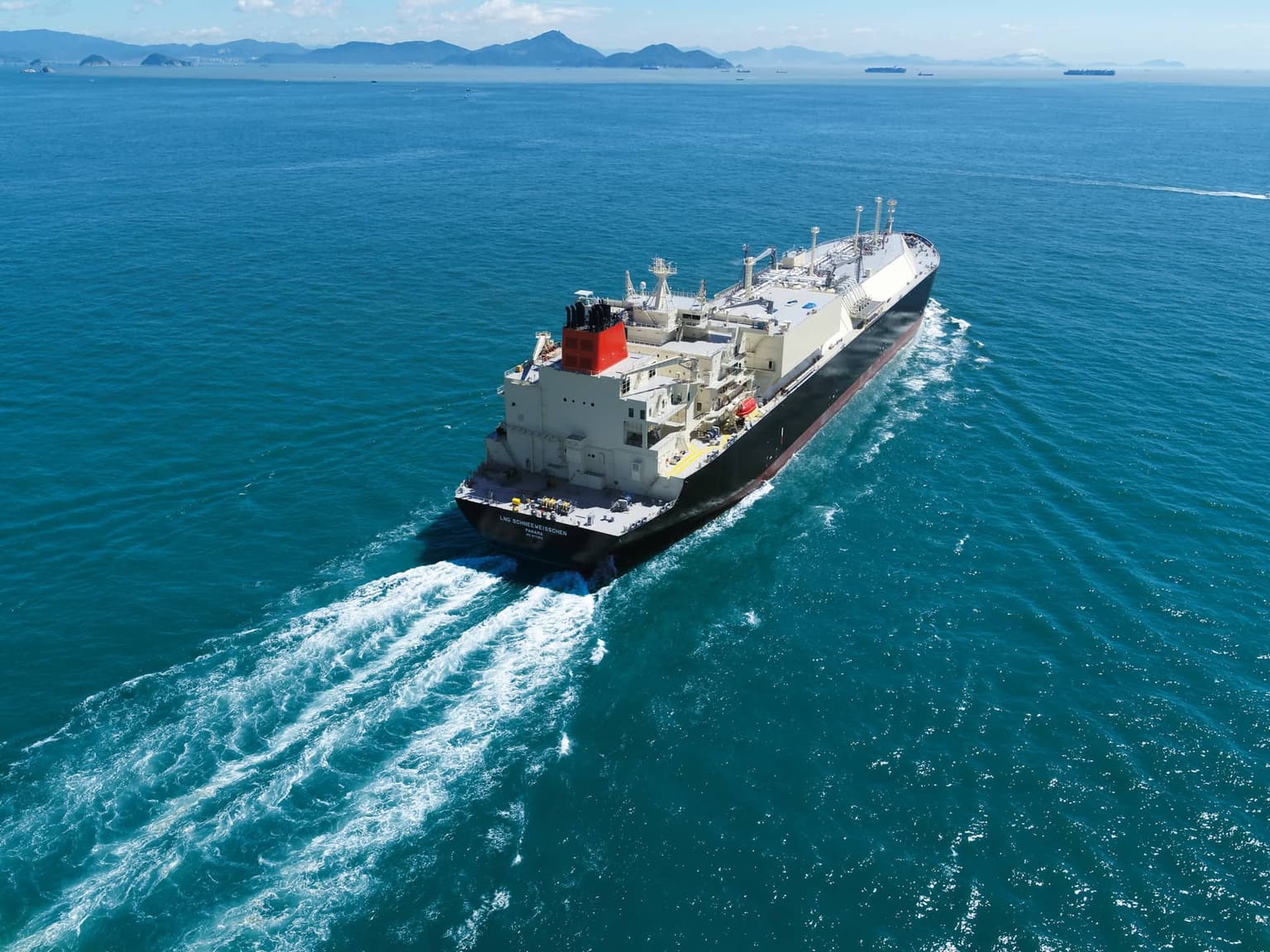
South Korean gas company KOGAS has received government approval for the first project to use cold from LNG to claim emissions savings. By supplying cooling to a logistics warehouse, it aims to reduce greenhouse gas emissions by around 28 thousand tonnes over 15 years. It also sees potential in cooling data centres and other industrial facilities.
Liquefied natural gas (LNG) is transported and stored at a temperature of around −162 °C. Before it can be delivered into the gas network, it must be heated and converted back into a gas. During this process, its low-temperature potential can be used for industrial cooling. In the past, cold from many terminals was mostly discharged into the sea without making use of its energy potential.
Algiers, 26 October (CTK special correspondent) - Czechia is likely to double its natural gas imports from Algeria, from the current 200 million cubic metres. It has received a preliminary pledge from Algerian President Abdelmadjid Tebboune, Deputy Prime Minister Karel Havlíček told reporters in Algiers today. He said this was a step towards greater diversification of gas supplies to Czechia, which would put the country in a better position to negotiate prices.
“For Czech households, this is another safeguard that we will have enough gas,” Havlíček said.
Northern German states are pushing to split Germany’s single electricity trading zone, which would lower electricity prices in the north of the country. A study commissioned by the state government of Schleswig-Holstein says that a joint zone covering the state and Denmark would reduce renewable energy curtailment and improve conditions for producing green hydrogen. European transmission system operators have also proposed splitting Germany’s trading zone, but the German government has long resisted the change.
A joint electricity market trading zone covering the state of Schleswig-Holstein, Hamburg and western Denmark could reduce the costs of the energy transition and improve the competitiveness of green hydrogen production. That is according to an analysis by the Fraunhofer research institute, commissioned by the government of the German state of Schleswig-Holstein and the state’s Chamber of Commerce and Industry (IHK).
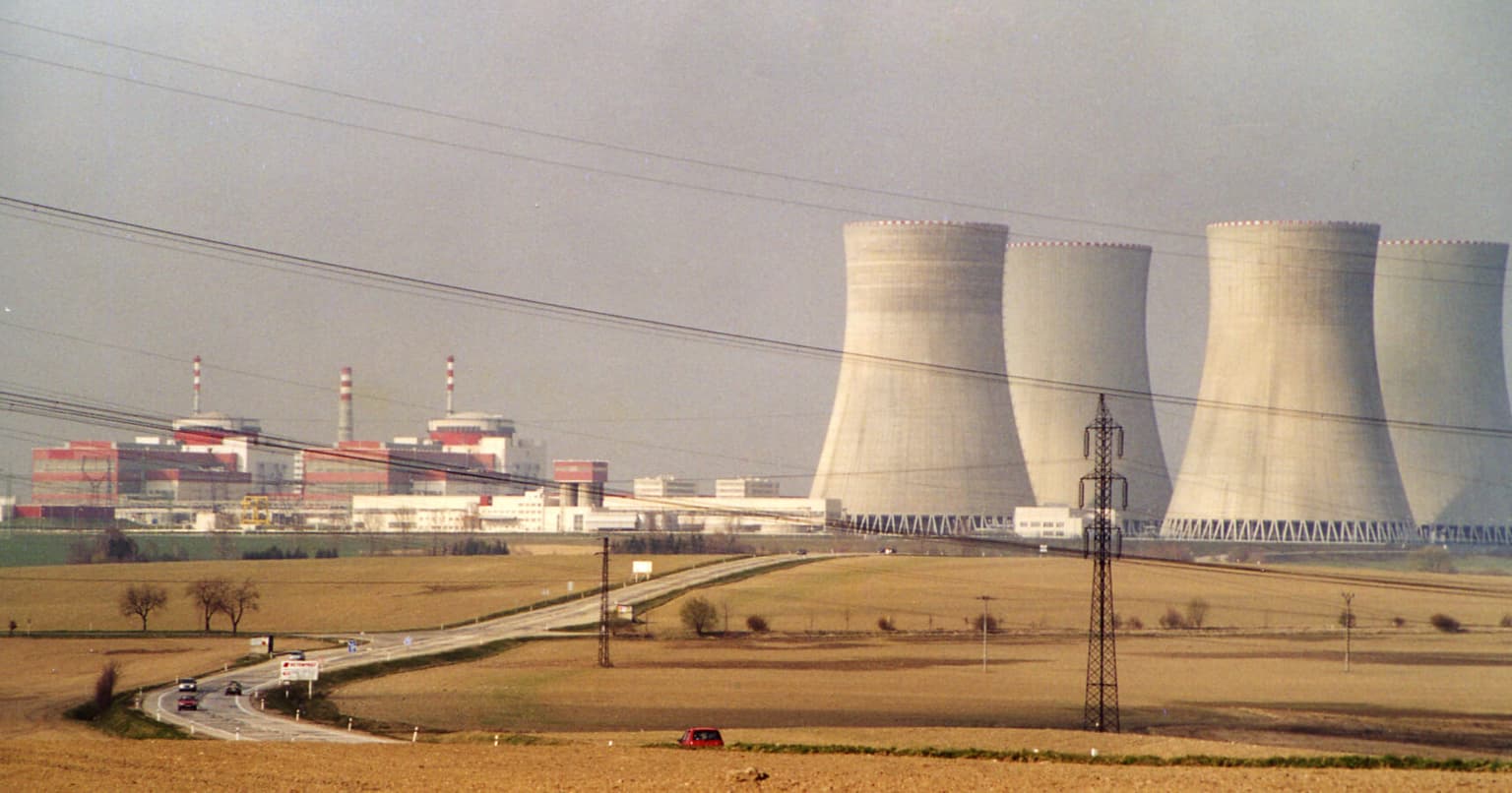
The Temelín nuclear power plant is preparing to replace its tap-changing transformers, which supply electricity for the plant’s own needs. The new equipment is being manufactured and will replace the current transformers over the next two years. The investment, worth hundreds of millions of crowns, will improve the reliability of power supplies to technological systems and is another step towards the plant’s long-term operation, plant spokesperson Marek Sviták told reporters. Temelín’s operating life is expected to be extended to 80 years, through 2080 and 2082.
ČEZ will acquire five new transformers. Four will be in operation, two at each of the plant’s two units. The fifth will serve as a standby reserve. Technicians will carry out the replacements during planned refuelling outages. They will replace the transformers at the second unit next year and at the first unit the year after.
Luxembourg/Brussels, 29 October (CTK correspondent) - The European Union does not expect energy shortages in the coming period, but high prices could continue to have a significant impact on households and businesses. EU Energy Commissioner Dan Jørgensen said this ahead of today’s meeting of energy ministers in Luxembourg. The coming winter will be difficult for many European citizens, he said, and the EU must do everything it can to ease their difficulties.
“Unfortunately, almost 50 million Europeans currently cannot afford to heat their homes adequately because of high energy prices. That number is likely to rise further,” Jørgensen told reporters.
The contract with Korean company KHNP has a fixed price and schedule, and penalties apply if these are not met. ČEZ CEO Daniel Beneš told reporters today. He was responding to Thursday’s news that KHNP had ended negotiations without an agreement on a construction contract for the new nuclear units at Dukovany with the Korean consortium of Daewoo Engineering & Construction and Doosan Enerbility. KHNP said the reason was differing positions on key terms, and that it would now consider its next steps.
“This definitely should not be played down. It is significant news. If this is indeed the end, perhaps it is just price negotiations being conducted through the media in Korea; I can’t say yet,” Beneš said.
The wholesale price of gas for the European market continued to rise today, exceeding EUR 97 (around CZK 2,350) per megawatt-hour (MWh) for the first time since 2022. It is approaching the psychologically significant threshold of EUR 100 per MWh. The rise is driven by concerns about supplies during the winter months and developments in the conflict in the Middle East, Bloomberg reported.
At around 9:45 CET, the price of the key front-month gas futures contract at the virtual Title Transfer Facility (TTF) trading hub in the Netherlands was up almost four percent, hovering around EUR 97.50 per MWh.
Data in this chart is also available in 15-minute resolution60min15min
Energostat: electricity generation in Germany
Data in this chart is also available in 15-minute resolution60min15min
More up-to-date charts and data are available on Energostat
Translation disclaimer
This article is a machine translation of the Czech original and has not yet been fully reviewed. In case of any doubt, please refer to the Czech version.