
17 October 2026, 13:09
Loading...
Germany's energy transition continues, but focus on climate protection is waning

Jan Budín
18 April 2025, 06:56
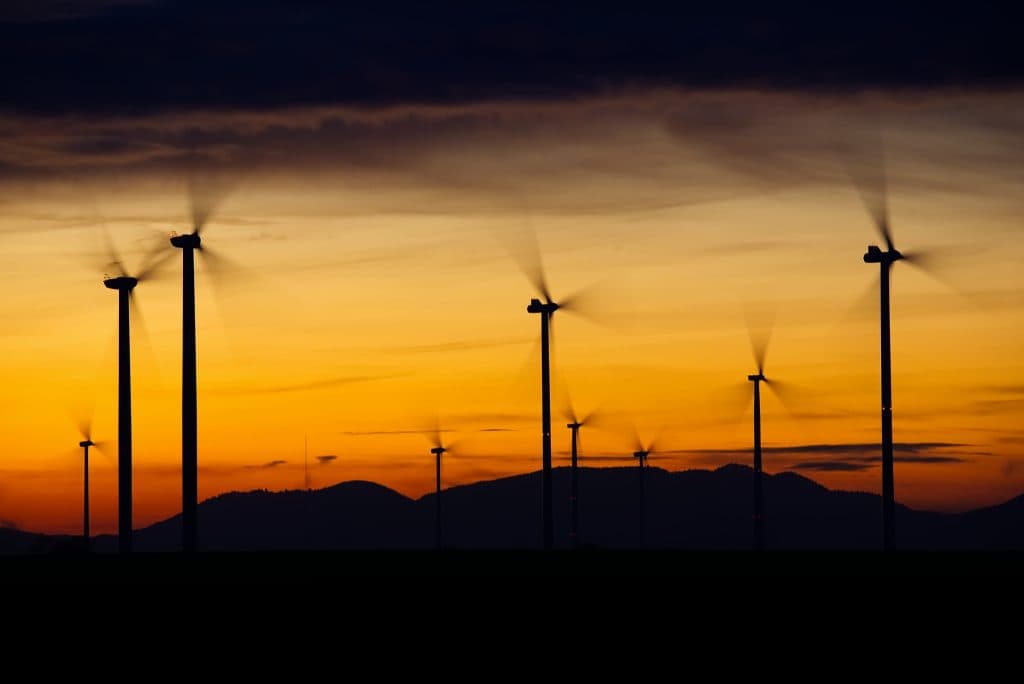
The incoming German government has agreed in its coalition agreement to continue the transformation of the energy sector without major changes and to retain the existing climate targets. The decision was welcomed by both the energy sector, which highlighted the importance of continuity, and environmental organizations in Germany and the EU. The news was reported by international news outlet Clean Energy Wire.
Germany’s conservative CDU/CSU alliance and the Social Democrats (SPD) signed a coalition agreement last week, in which both parties pledged to continue efforts to reduce greenhouse gas emissions and maintain existing measures to transform the energy sector. Germany will therefore continue to pursue the rapid expansion of renewable energy and work towards achieving climate neutrality by 2045.
The coalition partners said they would continue to support measures aimed at decarbonizing industry, buildings and transport. However, after two years of economic stagnation and amid an ongoing geopolitical upheaval sparked by the United States, the parties agreed on the need to boost growth in Europe’s largest economy, for example by lowering energy prices, even at the cost of less ambitious climate goals than those of the previous SPD-Greens coalition.
Businesses reacted positively to the emphasis on competitiveness, lower energy prices and continuity in climate policy. Climate activists, meanwhile, expressed relief at the decision to honour existing climate commitments.
“It is good that the coalition is not making a U-turn on the energy transition, but instead supports continuing energy policy and an innovation-driven Germany,” said Kerstin Andreae, head of the BDEW association.
No major surprises, less emphasis on climate
As noted above, the signed coalition agreement contains no major changes to the ongoing transformation of Germany’s energy sector. Some controversial issues, such as restarting Germany’s nuclear power plants, abandoning plans to end sales of new cars with combustion engines by 2035, or introducing a speed limit on German motorways, were not mentioned in the coalition agreement.
The agreement also places less emphasis on climate protection than the coalition agreement of Germany’s previous government. The previous agreement mentioned climate nearly 200 times, while the new one does so “only” 80 times.
“The new allocation of ministerial responsibilities also shows that climate is becoming a lower priority. One example is the new government’s plan to move the issue back from the Ministry for Economic Affairs to the Ministry for the Environment,” Clean Energy Wire reported.
Environmental organizations and think tanks nevertheless welcomed the coalition agreement for the most part. Agora Energiewende, for example, highlighted the German government’s plan to support the EU target of reducing greenhouse gas emissions by 90% by 2040. The Climate-Neutral Germany initiative said that, despite some shortcomings, the coalition agreement was good news overall.
“From a climate protection perspective, we see both bright and dark sides, but the bright ones outweigh the dark,” the initiative said.
Translation disclaimer
This article is a machine translation of the Czech original and has not yet been fully reviewed. In case of any doubt, please refer to the Czech version.
Sdílejte článek prostřednictvím:
You might also like




16 October 2026, 10:16