
17 October 2026, 13:09
Loading...
Wind farms in Germany are breaking records: but what will the election bring?

Libor Láník
19 February 2025, 07:10
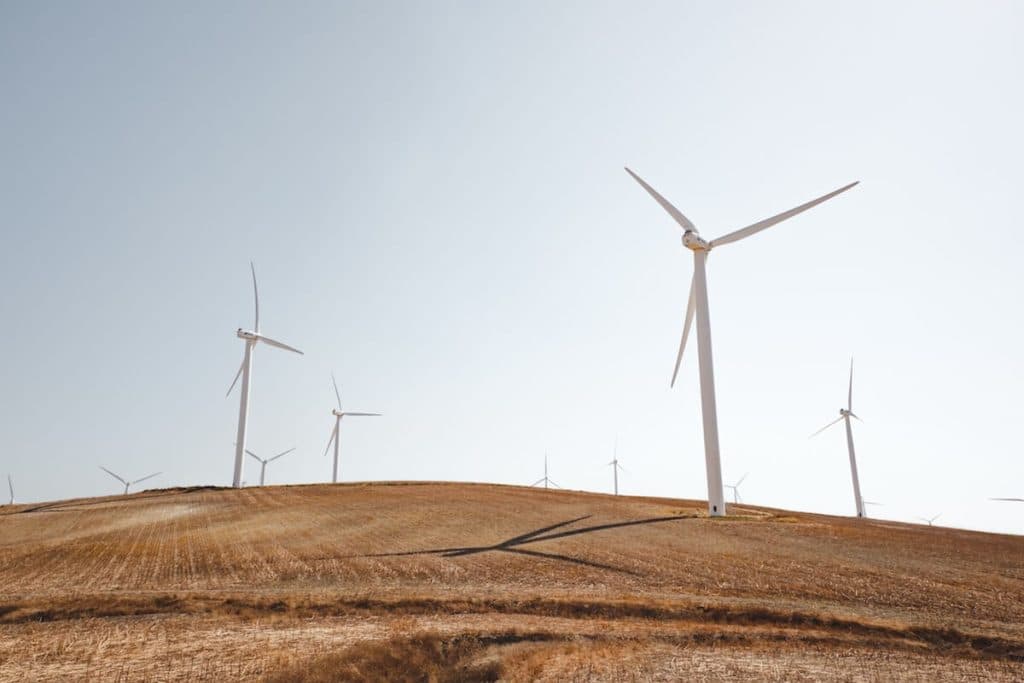
Last year was a record year for Germany in terms of newly approved wind turbines, CNBC reported. With less than a week to go, the country is heading to federal elections that will offer clues about the direction Germany will take next. It is no secret that the dark horse in the upcoming election, the Alternative für Deutschland (AfD), has little sympathy for wind turbines.
In 2024, Germany saw a total of 2405 newly approved turbines with a capacity of 14 056 MW. Another 1890 turbines with a total capacity of almost 11 GW secured support in auctions. In reality, however, installed capacity increased by only a fraction of that amount: 635 turbines with a total capacity of approximately 3,2 GW were connected to the grid. The country’s total installed onshore wind capacity climbed to around 63,4 GW.
“The significant increase in the number of permits and awarded support demonstrates a revival of the German market and signals new momentum in the sector. This is a significant step in the right direction,” said Dennis Rendschmidt, Managing Director of VDMA Power Systems, adding that development must continue unabated under the new government.
The country with Europe’s largest economy will know who that government will be very soon, specifically after Sunday’s election. The conservative, centre-right Christian Democratic Union (CDU) is entering the election as the favourite, and is not expected to bring about a major change in the perceived role of wind farms, although its leader Friedrich Merz is not exactly a staunch supporter.
The same cannot be said of the AfD, which ranks second in opinion polls with 20 percent. The far-right party openly rejects the scientific consensus on human-caused climate change, and its leader and candidate for chancellor, Alice Weidel, called turbines “windmills of shame”. It therefore portrays the transition to renewable energy as the cause of all economic problems.
At present, the other major parties rule out potential coalition cooperation with the AfD, which leaves it destined for opposition. Nevertheless, its political influence should certainly not be overlooked. The German public is unlikely to see wind turbines being dismantled en masse, but the AfD’s strong support could weaken the climate ambitions of the other parties.
Whether Germany continues to expand wind power or sees its development slow under pressure from sceptical voices will be decided by the upcoming election. The results will determine not only the composition of the new government, but also the future direction of German energy policy.
Challenges for the new government
Although a change of government may not immediately cause problems for Germany’s wind power sector, the new coalition will face major challenges. These include updating Germany’s Renewable Energy Sources Act, which is intended to ensure that renewables account for 80% of electricity generation by the end of the decade. Solar and wind power play a key role in this process, particularly since Germany shut down its last nuclear power plants in 2023 and its efforts to develop nuclear fusion are still at the research stage.
In addition to legislative changes, the government will also have to reassess current renewable energy development targets, which some experts consider too ambitious. If they are not adjusted realistically, they risk becoming unattainable, which could undermine confidence in the entire energy transition. At the same time, however, this aggressive strategy helps keep the issue at the centre of political and public debate and encourages industry and citizens to support renewables more strongly.
The new government will therefore have to maintain the momentum of wind power while also finding a way to bridge the growing gap between current plans and the reality of delivering them. The answer will be crucial for the future of Germany’s energy sector—and a major issue in the years ahead.
Translation disclaimer
This article is a machine translation of the Czech original and has not yet been fully reviewed. In case of any doubt, please refer to the Czech version.
Sdílejte článek prostřednictvím:
You might also like




16 October 2026, 10:16