23 October 2026, 14:38
Loading...
A significant factor in energy, according to IEA? Air conditioning...

Martin Voříšek
5 September 2016, 11:02
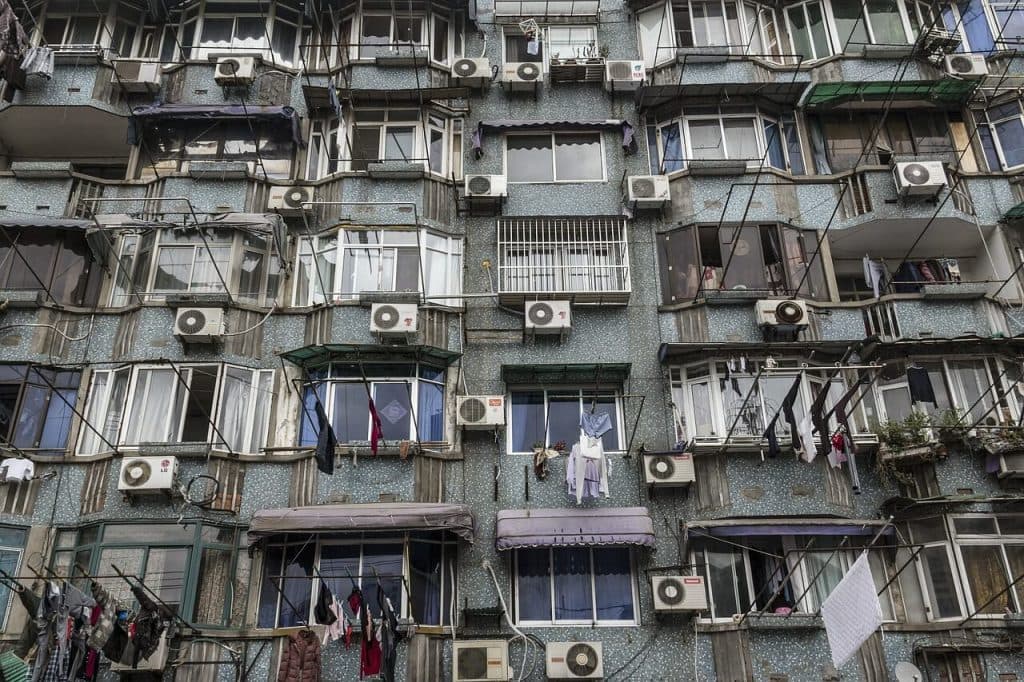
According to the International Energy Agency (IEA), energy demand for air conditioning will grow significantly over the next several years, particularly in developing countries. At the same time, it is an area of energy consumption with considerable potential for energy savings.
While monthly and annual temperature records have become increasingly common in recent years, a new phenomenon is emerging in the energy sector: air conditioning. According to the IEA, global energy consumption for air conditioning will continue to rise significantly.
Currently, around 40 % of energy used in buildings goes towards heating and cooling. According to the IEA, the largest increase in energy consumption for air conditioning, as much as 80 %, is expected in developing countries. Much of this growth in consumption will take place in urban areas, which also offer the greatest potential for energy savings.
According to an IEA projection that assumes maximum warming of two degrees compared with pre-industrial levels, urban areas will account for roughly 85 % of energy savings in air conditioning.

In OECD countries, the services sector is key for air conditioning, as this is where it is used most frequently. Outside the OECD, energy consumption for air conditioning is much more affected by its use in residential buildings, where the largest increase is also expected. This will further be supported by the expected addition of as many as 900 mil. new households in urban areas of non-OECD countries by 2050.
Another major factor in the coming years will be electric mobility, which will significantly affect electricity demand.

Hundreds of millions of new households in the coming decades represent an opportunity to develop new measures that will help reduce overall energy consumption and thus contribute to keeping global warming below 2 °C. Such measures include, for example, mandatory energy codes that reduce the need for air conditioning through building thermal insulation.
For new buildings, the focus should primarily be on preventing the need for air conditioning. This can be achieved, for example, in buildings in warmer areas through the use of reflective surfaces.
Translation disclaimer
This article is a machine translation of the Czech original and has not yet been fully reviewed. In case of any doubt, please refer to the Czech version.
Sdílejte článek prostřednictvím:
You might also like
23 October 2026, 11:01
23 October 2026, 06:34