Gas consumption in Czechia to rise by up to a quarter over the next 20 years, associations say

Over the next 20 years, natural gas will be the main fuel for the Czech energy sector. Its consumption in Czechia will rise by up to a quarter during this period, with its largest use in district heating. Infrastructure is ready for higher consumption. Representatives of the Czech Gas Association, the Czech Heating Association and consultancy EGU said this at a press conference today. They said there is no risk of supply shortages.
Government strategies envisage gas replacing coal-fired sources until new nuclear and renewable sources are built.
„Natural gas will become the basic fuel for the Czech Republic over the next 20 years. Global reserves are sufficient, and I see no problem transporting the gas we need to the country in the required quantities, even given the expected increase in demand,“ said Josef Kotrba, CEO of the Czech Gas Association.
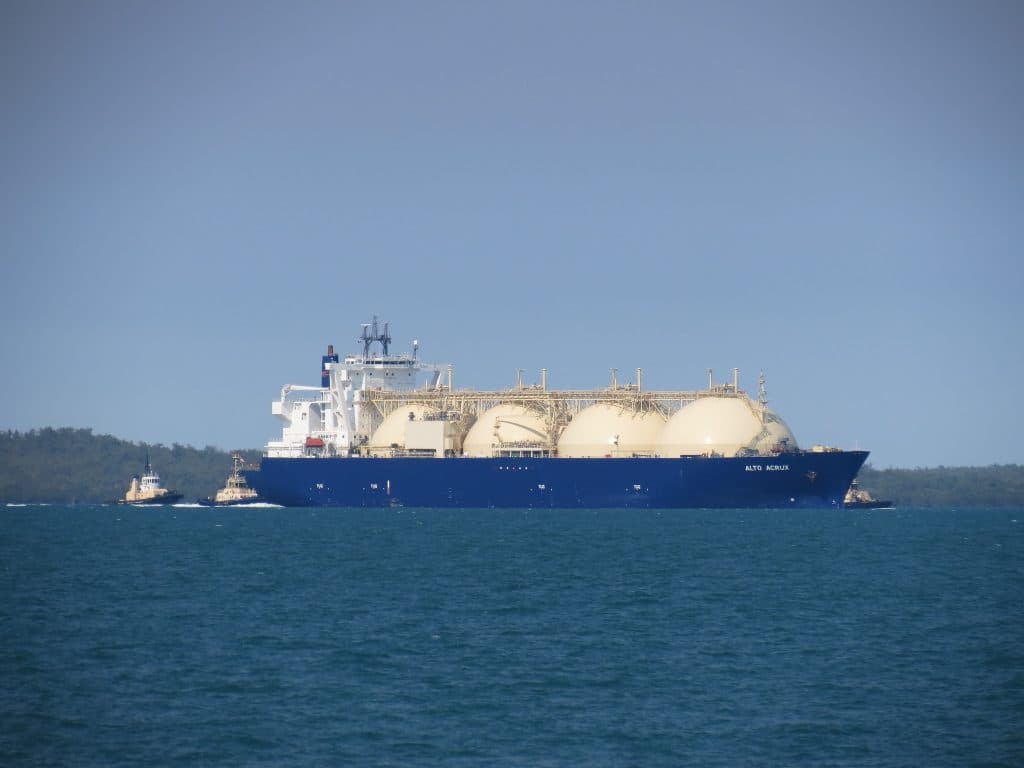
The share of liquefied natural gas, or LNG, is also set to increase significantly, he said.
The association expects gas to be used most widely in the district heating system, on which four million people in Czechia depend. Consultancy EGU agrees, saying gas is key above all as a decarbonisation fuel to replace coal in district heating and power generation.
„Billion-crown investments in gas-fired plants are already under way or being prepared in these areas. They will produce not only heat but also electricity, to a large extent at times when it cannot be generated from sunlight and wind. According to our forecasts, electricity generation from gas will increase 3.5-fold by 2035. Converting district heating to gas is also an investment in flexibility and seasonal production,“ said Michal Macenauer, EGU’s strategy director.
Over the past four years, ten smaller heating plants supplying up to 110,000 households have been modernised at a cost of CZK 6 billion. According to the Czech Heating Association, this has reduced coal consumption by 514,000 tonnes. The association expects further modernised heating plant projects to follow in the coming years.
The state has allocated CZK 90 billion from the Modernisation Fund for the transformation of district heating. „With a 53% share, natural gas will become the most important fuel in terms of decarbonisation. It will be followed by biomass at 29% and energy recovery from waste at 17%,“ said Jiří Vecka, director of the Czech Heating Association.
Domestic energy companies are also planning to switch coal-fired plants to gas. For example, ČEZ is preparing to convert some of its coal-fired power plants to gas, including the planned conversion of the Mělník power plant.
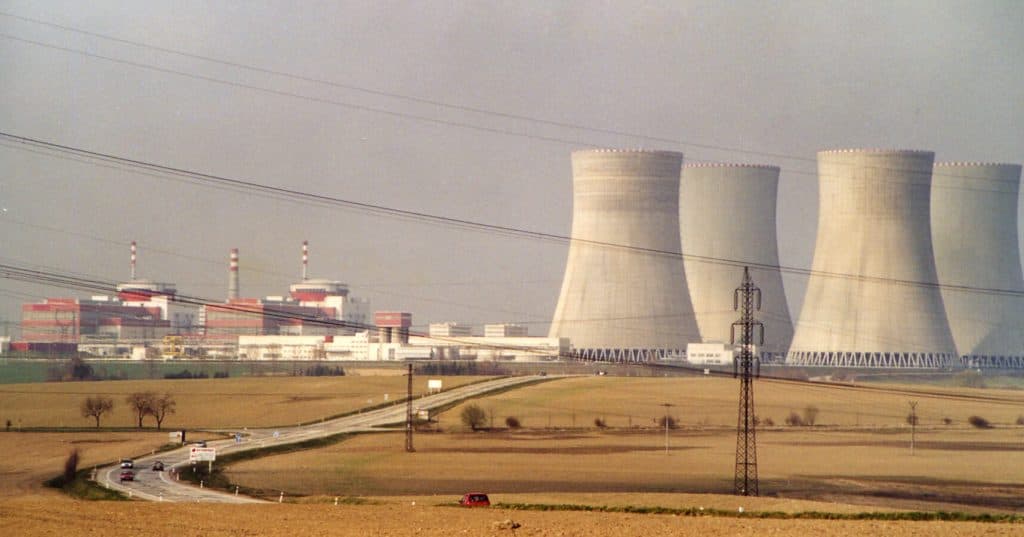
The state expects nuclear power to account for the largest share of the domestic energy mix in the future, complemented by renewable sources led by photovoltaics and wind farms. Until these sources are built, however, it plans to use mainly gas as a transitional fuel after coal-fired generation ends.
Translation disclaimer
This article is a machine translation of the Czech original and has not yet been fully reviewed. In case of any doubt, please refer to the Czech version.