29 October 2026, 16:16
Loading...
EU approves state aid for hydrogen in Slovakia and Poland

Zuzana Vrbová
21 February 2024, 07:03
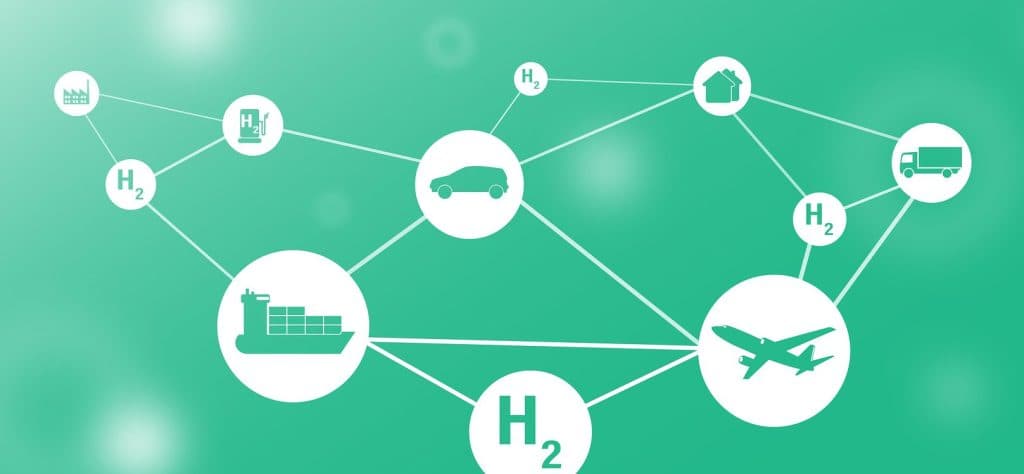
The European Commission announced last week that Polish and Slovak programmes to support hydrogen production had been approved under EU state aid rules. They will be Important Projects of Common European Interest (IPCEI) focused on developing green hydrogen infrastructure.
The project, called "IPCEI Hy2Infra", was jointly prepared and announced by seven EU member states: Poland, Slovakia, France, Germany, Italy, the Netherlands and Portugal, as reported by CEEnergy News. For Poland, this is another major project in the hydrogen sector.
The seven countries are expected to provide up to 6.9 billion euros in public funding combined, which should attract around 5.4 billion euros in private investment. Under the announced programme, 32 companies operating in one or more EU countries are expected to participate in around 33 projects.
The project aims to support the construction of electrolysers with a capacity of 3.2 gigawatts, which will produce green hydrogen using renewable electricity. The project also includes plans to build new hydrogen transmission and distribution pipelines and support the refurbishment of existing ones, with a combined length of approximately 2700 kilometres. It also plans to support the construction of large-scale hydrogen storage facilities with a capacity of at least 370 GWh, as well as handling terminals and related port infrastructure for liquid organic hydrogen carriers (LOHCs), capable of processing 6000 tonnes of hydrogen per year.
"For renewable and low-carbon hydrogen to be successfully deployed, all the pieces of the puzzle need to come together. Thanks to this new Important Project of Common European Interest, 32 companies, including five small and medium-sized enterprises, will invest in hydrogen infrastructure, with total private and public investment exceeding 12 billion euros," said EU Commissioner Thierry Breton.
Participants are also expected to cooperate on interoperability and common legal frameworks to prevent obstacles and facilitate future market integration. Legislation is often cited as one of the main barriers to market development.
The project's large electrolysers are expected to come online between 2026 and 2028, and its pipelines between 2027 and 2029, depending on the region. The projects are scheduled to be completed by 2029, although timelines vary depending on the subprojects and participating companies.
Translation disclaimer
This article is a machine translation of the Czech original and has not yet been fully reviewed. In case of any doubt, please refer to the Czech version.
Sdílejte článek prostřednictvím:
You might also like
29 October 2026, 11:22
29 October 2026, 10:12