Giant Rotterdam electrolyzer project delayed amid high uncertainty


The first phase of the H2Maasvlakte project, which aims to produce green hydrogen near the Dutch city of Rotterdam, will be completed later than planned. The project has been delayed for several reasons, including the lack of secured electricity supplies and uncertainty over future demand. The first phase is now expected to be completed two years later than originally anticipated. Nevertheless, by 2030 the plant is expected to have electrolyzers with a total capacity of 500 MW.
Green hydrogen production projects have become increasingly common in Europe in recent years. Green hydrogen could offer one way to store energy over the long term, as well as a substitute for natural gas in industry. One such project is H2Maasvlakte, a green hydrogen production facility that Uniper plans to build near Rotterdam in the Netherlands.
The company announced several days ago, however, that the first phase of the project, with an installed capacity of 100 MW, will be delayed. The reasons it gave for postponing the project included its inability to secure a power purchase agreement (PPA), high network charges and uncertainty about whether demand would be strong enough.
In an email statement to S&P Global, the company also said it had withdrawn its application for a grant from the Innovation Fund because it “sees no way to meet the original deadline for financial close before August 2024.” According to the company, one reason was its inability to conclude a PPA.
Too much uncertainty
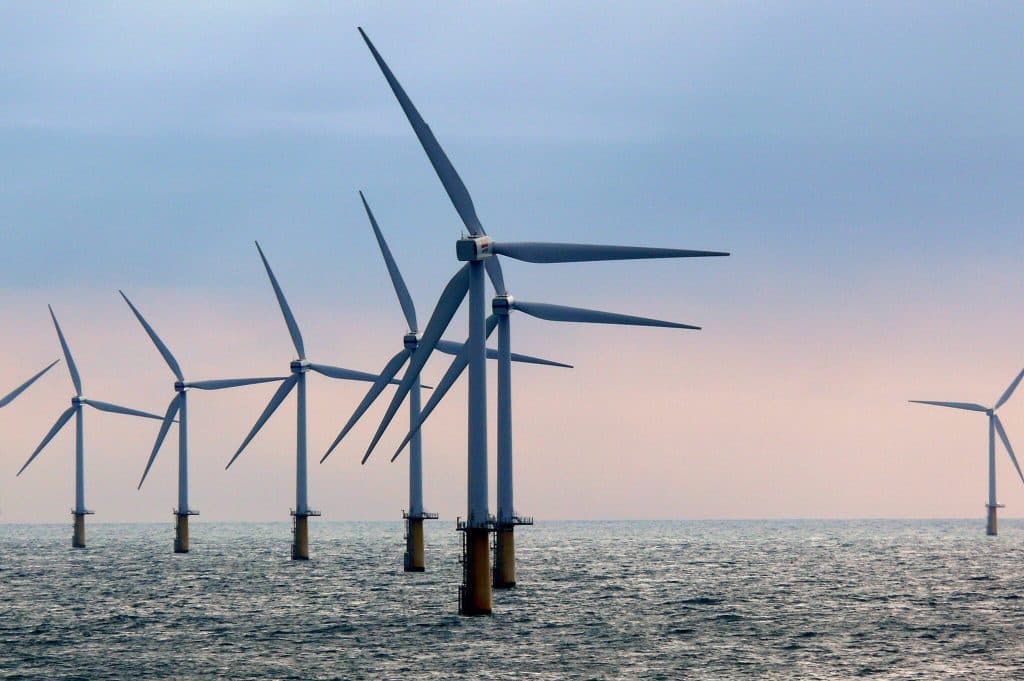
One factor was the availability of affordable offshore wind farms to supply the electrolyzer. According to S&P Global, the latest Dutch auctions for offshore wind farm projects were won by projects that also include green hydrogen production. One of the main criteria was innovative solutions for integrating offshore wind farms into the country’s energy system. Developers of green hydrogen production facilities therefore often have to align their timelines with those of renewable energy developers.
Another reason was the increase in network charges, which the company said have risen more than sixfold in the Netherlands over the past six years. Uniper has therefore proposed that the Dutch government consider relief on these charges for electrolyzers, as is the case in Germany.
The original timetable was also disrupted by uncertainty about future demand for green hydrogen. The government is still implementing the latest version of the EU Renewable Energy Directive, according to the company. It is currently in the process of assigning mandatory green hydrogen consumption obligations to individual economic sectors, the company said.
Translation disclaimer
This article is a machine translation of the Czech original and has not yet been fully reviewed. In case of any doubt, please refer to the Czech version.