
12 October 2026, 22:01
Loading...
LEAG indefinitely postpones green hydrogen plans in eastern Germany

oEnergetice.cz, ČTK
28 June 2025, 09:55
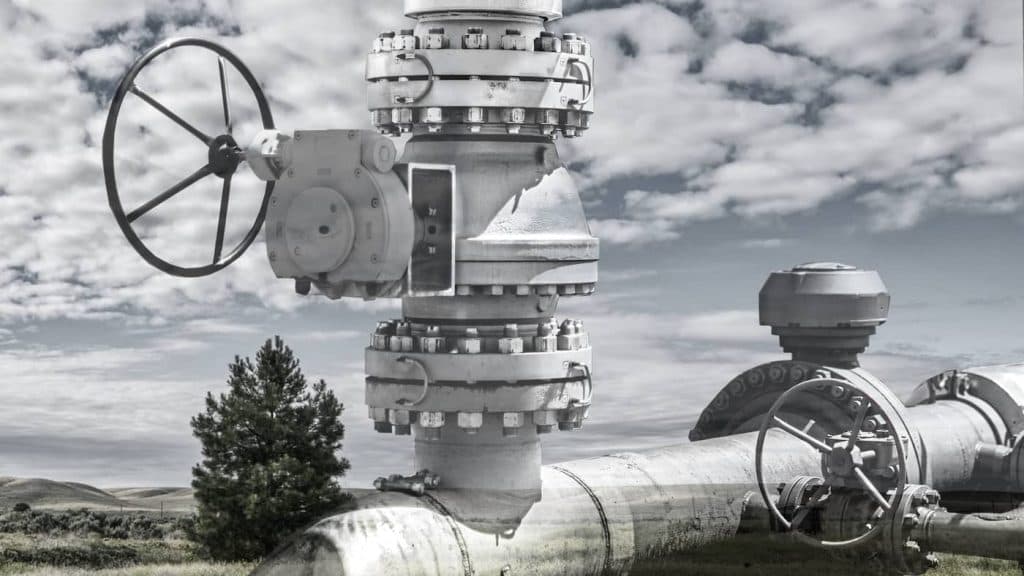
German energy company LEAG, which belongs to billionaire Daniel Křetínský’s EP Group, is indefinitely postponing plans to build one of Europe’s largest green energy hubs in Lusatia in eastern Germany. Reuters reported this yesterday. The company cited unfavourable political and economic conditions. Reuters noted that the announcement comes a week after ArcelorMittal abandoned plans to convert two German steelworks to carbon-neutral production because of high energy prices.
"We are now postponing plans to produce hydrogen in Boxberg and focusing on other technologies for generating and storing electricity and providing flexible power supplies," Reuters quoted a LEAG spokesperson as saying.
The company said it was reassessing its approach because political and economic conditions had not developed as expected. It noted that the previous government, led by Social Democrat Chancellor Olaf Scholz, ultimately failed to introduce the relevant law, which would have served as a key regulatory prerequisite. Among other things, the law would have supported the construction of gas-fired power plants capable of using hydrogen.
Last April, the company announced plans to build future power plants in Boxberg that would operate entirely without fossil fuels. The postponed H2UB Boxberg project, featuring modular, expandable power plants, is to be based on large-scale energy storage and hydrogen capacity.
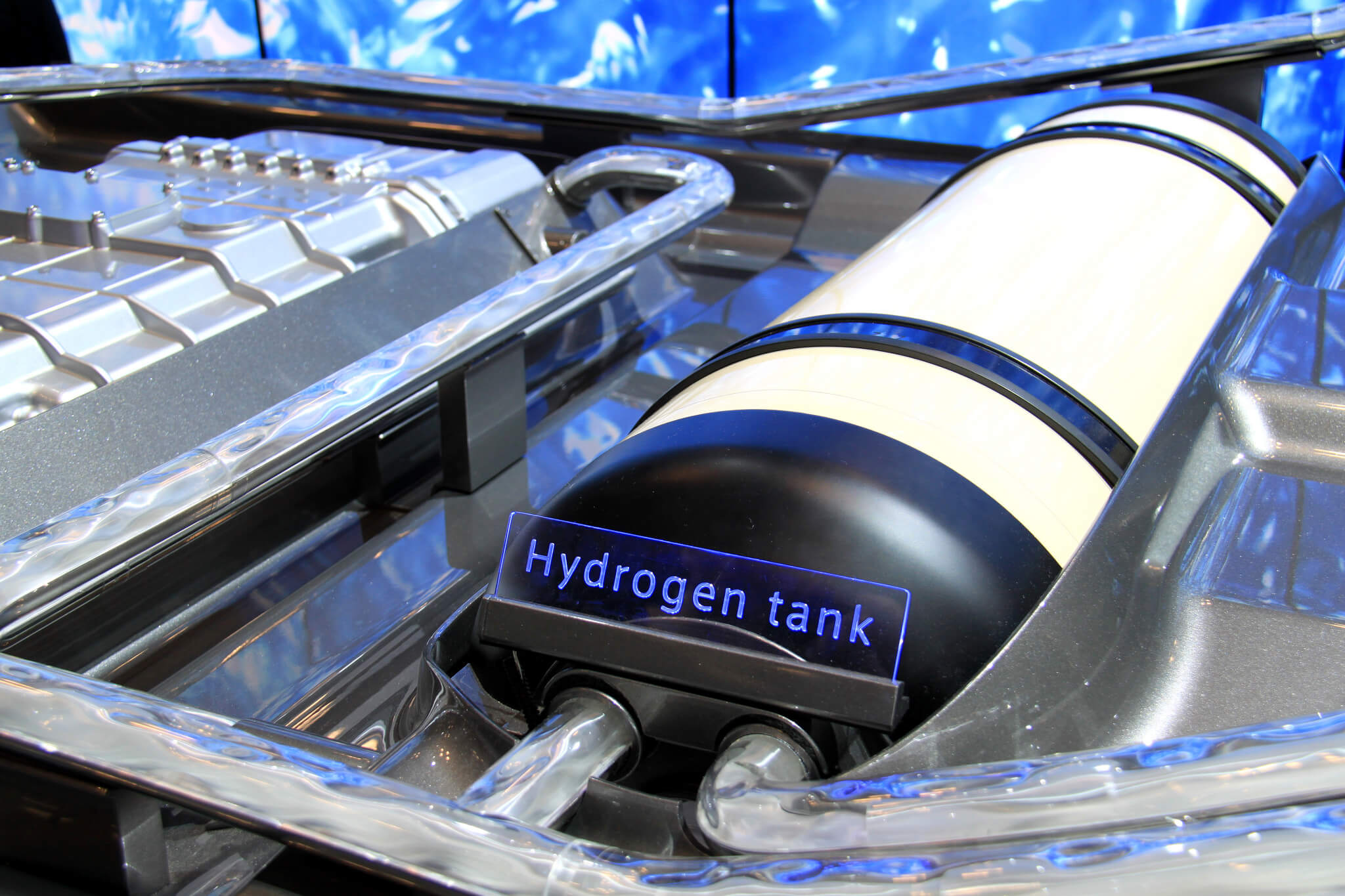
Hydrogen fuel tank. Source: Joseph Brent / Creative Commons / CC BY-SA 2.0
On its website, LEAG emphasises that everything will run on green electricity and green hydrogen. According to the company, electrolysers will produce green hydrogen when output from wind and solar power is high. The company will then store the hydrogen on site, where it can later convert it back into electricity or use it for heating, transport or industry.
In 2023, LEAG announced ambitions to bring solar and wind facilities with a capacity of seven gigawatts (GW) online by 2030 and to invest one billion euros a year in renewable energy development for the rest of the decade. Just a year earlier, the company announced plans to build a 1000-megawatt (MW) solar park, equivalent to the output of a nuclear power plant capable of supplying around two million households.
Germany disconnected its last three nuclear power plants from the grid in 2023 and aims to end coal-fired power generation by 2038. Two 500-megawatt lignite-fired units remain in operation in Boxberg. They are expected to generate electricity until 2029, Reuters reports.
Translation disclaimer
This article is a machine translation of the Czech original and has not yet been fully reviewed. In case of any doubt, please refer to the Czech version.
Sdílejte článek prostřednictvím:
You might also like



12 October 2026, 12:20

12 October 2026, 10:27