12 October 2026, 12:20
Loading...
Czech industry strongly opposes refinery tax, warns of market damage

oEnergetice.cz, ČTK
12 October 2026, 12:20

The Confederation of Industry of the Czech Republic (SP ČR), in an open letter to Prime Minister Andrej Babiš (ANO), criticised plans to introduce a special tax on refineries. It called on the government to abandon the plan or at least soften the tax’s parameters. The government proposed the tax in response to this year’s rise in fuel prices, with the proceeds intended to offset measures it had taken to curb the increase in fuel prices. The Chamber of Deputies will begin debating the law introducing the tax on Tuesday.
Under the government’s proposal, the special tax on refineries will apply to their financial results this year and next. The companies concerned will therefore pay the tax in 2027 and 2028. It will be levied on the increase in margins compared with 2025. The government is introducing the sector-specific tax in response to the rise in refining margins caused by disruption to the global oil market.
SP ČR welcomed the government’s efforts to limit the impact of rising diesel prices, highlighting in particular the cut in excise duty. “However, the Confederation fundamentally rejects the introduction of any form of sector-specific tax, which distorts a fair market environment, reduces investment predictability and weakens the competitiveness of Czech industry,” SP ČR said in the letter.
The Confederation was particularly critical of the fact that the tax would apply to margins earned this year. It also objected to the way the tax liability is structured. “The proposed tax design is also based on the assumption that the gross refining margin is an appropriate indicator of extraordinary profit,” SP ČR said. In its view, this approach overlooks the costs of energy, emissions allowances, maintenance, employees and investment.
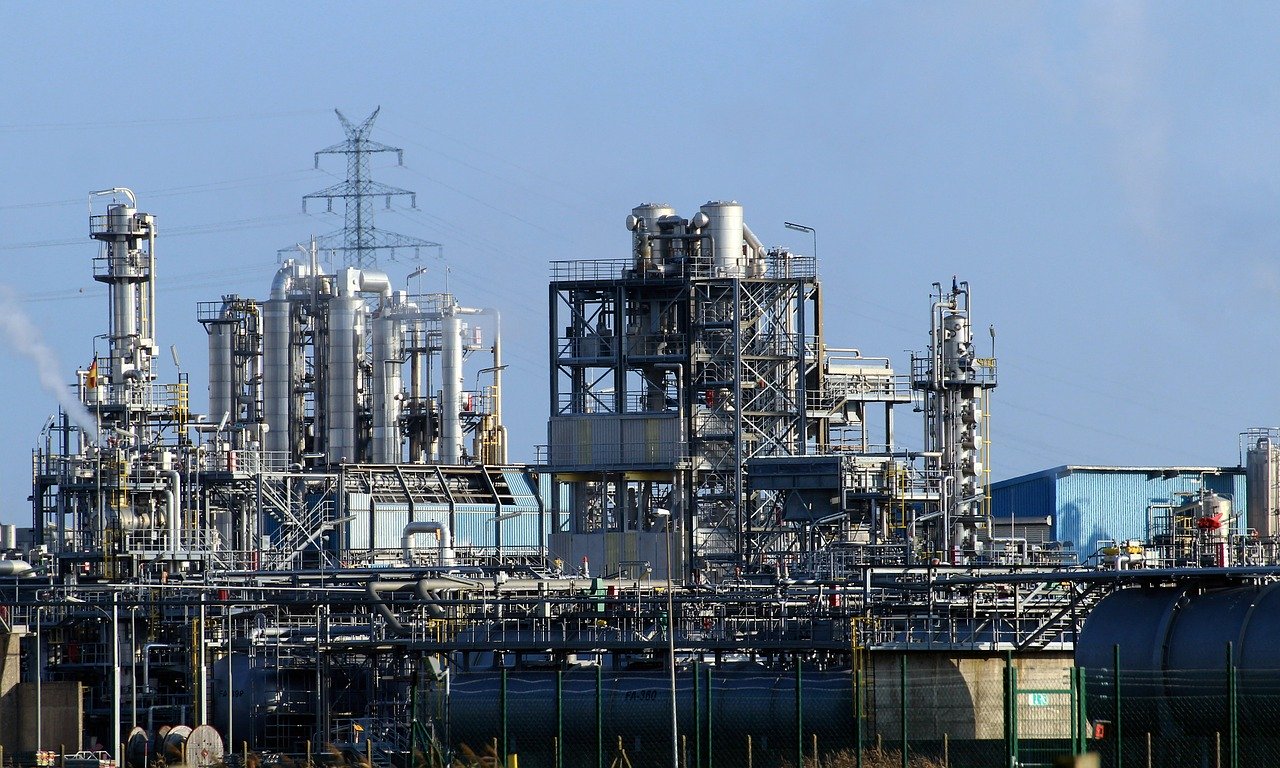
Refinery. Source: Pixabay
If the government insists on introducing the tax, the Confederation says it should be designed to reflect the economic situation of refineries in Czechia. In its view, it is essential that the tax liability not apply to refineries’ results for this year. It also calls for the baseline margin used to calculate the increase to be based on a multi-year period rather than only on 2025.
Orlen Unipetrol, which operates the country’s refineries in Litvínov and Kralupy nad Vltavou, had already criticised the introduction of the tax. The company said it considered the tax retroactive and therefore contrary to the constitutional order. The Ministry of Finance rejected the company’s arguments.
The new tax will apply to companies with total annual revenues of at least two billion crowns and annual revenues from refining activities of at least 50 million crowns. It will amount to 50 percent of the increase in gross margin compared with 2025. The Ministry of Finance said the government had taken inspiration from a similar tax applied in Poland. According to the ministry, revenue from the tax on refineries’ income earned this year should amount to approximately 5.5 billion crowns.
Translation disclaimer
This article is a machine translation of the Czech original and has not yet been fully reviewed. In case of any doubt, please refer to the Czech version.
Sdílejte článek prostřednictvím:
You might also like

12 October 2026, 10:27

12 October 2026, 07:40

11 October 2026, 20:09

11 October 2026, 08:24