Unintended impact of Spain's windfall tax: threatens hydrogen innovation

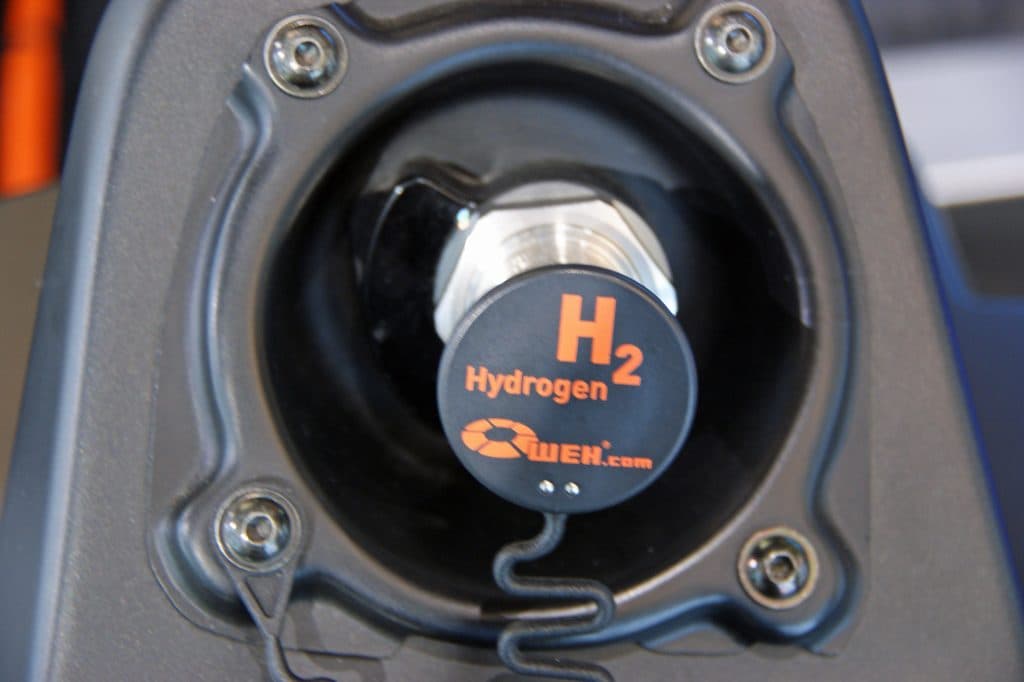
Spain’s largest oil and gas group Repsol, which is also the country’s biggest hydrogen consumer, is putting planned green hydrogen production projects on hold. The reason is an uncertain regulatory environment, Reuters and hydrogen news outlet H2 View reported, citing a company spokesperson.
The projects in question are a plant in Cartagena, with a planned investment of more than 200 million euros, and projects in Tarragona and the Basque Country. Together, the three projects represent 350 MW of installed capacity. In addition to these projects in Spain, Repsol also announced that it was halting another electrolyser project in Portugal.
“We can confirm that we have frozen all our planned investments in renewable hydrogen in Spain due to the unfavorable regulatory environment, particularly the government’s plans to make the windfall tax for energy companies permanent,” the company spokesperson told H2 View.
Repsol has previously expressed its dissatisfaction with conditions in the country. For example, in October last year, board member Emiliano Lopez said: “If there is no stability, there is no future; if there is no stability, there are no investments or strategy.” Another Spanish giant, Cepsa, has also opposed the tax.
Last but not least, the government’s plans are the subject of discussions by a lobbying group representing the oil companies mentioned above. It has warned that the taxes could put 16.5 billion euros in investment at risk.
Windfall tax
The windfall tax, which governments impose on companies reporting unusually high profits, has been criticized in the country since its introduction. Spain introduced the tax in 2022, targeting companies that generate large revenues from selling energy commodities and benefit from their high prices without a significant increase in their costs.
Although Spain initially introduced the windfall tax as a temporary measure, it increasingly appears that the tax will become a permanent feature of the Spanish tax system. The government is considering extending it beyond 2024, particularly for the banking sector. Critics warn, however, that permanent taxation not directly tied to exceptional circumstances could significantly harm economic growth and deter investment, especially in key sectors such as renewable energy.
In 2023, the European Commission warned that the different ways member states implement windfall taxes are creating uncertainty for investors. Although the EU recommended limiting these taxes to specific crisis situations, Spain decided to pursue their long-term application. This has led to some energy investment projects stagnating, as illustrated by Repsol’s halted green hydrogen projects.
Investment uncertainty and additional costs could have long-term negative effects on the Spanish economy, particularly in the energy sector and the green transition. This sector requires a stable and predictable environment to support large-scale investment in the technologies of the future.
In March this year, the Spanish government considered easing the impact of the windfall tax on energy companies by introducing a new system that would allow firms to allocate part of their profits to investment instead of paying the windfall tax. Energy Minister Teresa Ribera said that this approach would give companies a choice between investing funds in the development of energy infrastructure and paying direct taxes to the state.
This move could provide relief to companies such as Repsol, which have put projects on hold due to concerns about regulatory uncertainty, while also supporting long-term investment in renewable energy.
Translation disclaimer
This article is a machine translation of the Czech original and has not yet been fully reviewed. In case of any doubt, please refer to the Czech version.