
28 October 2026, 15:10
Loading...
Bloomberg: Russia’s war economy is depriving the oil industry of workers

oEnergetice.cz, ČTK
6 May 2024, 17:55
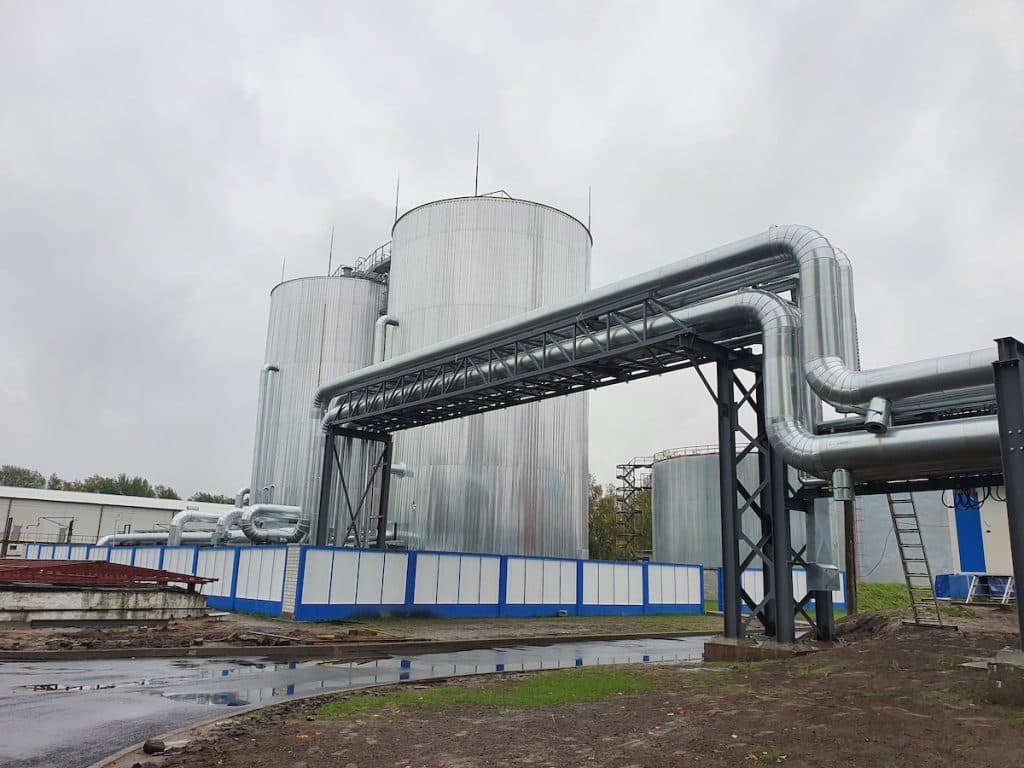
Russia’s oil and gas industry is important for financing the country’s invasion of Ukraine, providing the Kremlin with the funds to continue the fighting. But the industry is struggling with a labor shortage because the Russian economy has been fully mobilized for the war effort, exacerbating a long-term demographic crisis, Bloomberg reported.
Energy companies, which have always paid their employees well, now have to compete for workers with the Russian army and arms manufacturers, analysts and recruiters working with the industry say. The signing bonus alone for a soldier fighting in Ukraine can amount to almost a year’s salary for an average worker in an oil or gas field.
This problem is not entirely new. Russia has been facing a shrinking working-age population for almost 20 years. The main cause was the collapse in birth rates in the 1990s; the COVID-19 pandemic then made the problem worse, and the invasion of Ukraine has brought it into even sharper focus.
A recent report by Russia’s central bank found that labor shortages are affecting businesses across all parts of the economy. Although the oil and gas industry is operating smoothly, that may not be the case in the long term.
According to estimates by Russian firm Kasatkin Consulting, formerly Deloitte’s research center in the region, Russia’s oil and gas sector is short of about 40,000 employees. The industry increased the number of online job postings by 24 percent in the first quarter compared with the previous year. It was looking not only for skilled workers but also for low-skilled workers, according to data from Russia’s leading recruitment platform, hh.ru.
Russia’s oil and gas industry has long been the country’s highest-paying sector. Since 2017, it has offered wages at least two-thirds above the national average, according to Bloomberg calculations based on data from the statistics agency. In January and February, average monthly nominal pay in the sector—which includes workers in extraction, services, refining, pipeline transport and storage—was 125,200 rubles (nearly CZK 32,000).
But that amount can no longer compete with what the Russian army offers contract soldiers. In addition to a signing bonus of 195,000 rubles (nearly CZK 50,000), every Russian region offers new recruits a one-time payment that can reach one million rubles (about CZK 250,000).
For those who do not want to fight in Ukraine, there are also lucrative jobs in the arms industry. Demand for tanks, armored vehicles and weapons has surged, and arms manufacturers are looking for workers in a tight labor market. Russia’s state-owned arms manufacturer Rostec increased wages by an average of 17.2 percent last year and still needs workers, its CEO Sergei Chemezov said last year.
Russia’s economy has had a demographic problem for a long time. Birth rates plummeted in the 1990s amid economic shocks following the collapse of the Soviet Union, and statistical data show that the working-age population fell by 5.8 million from 2007 to the end of 2021. The consulting firm FinExpertiza estimated that employees under 30 accounted for 14.9 percent of Russia’s workforce in 2022, the lowest share since the early 1990s.
The Russian invasion of Ukraine has also curtailed the flow of foreign workers. International sanctions weakened the ruble, increased inflation and complicated international money transfers. Russia has therefore become less attractive to migrants from former Soviet republics. Last year, net migration to Russia was 110,000, a quarter of the 2021 level, the year before the invasion. Compared with Russia’s demand for labor, this figure is just a drop in the ocean. Based on companies’ requests to employment offices, the statistics agency said the country needed an additional 1.86 million workers at the end of March.
Because wages alone are not enough to attract new workers, Russian oil and gas companies—which often operate in remote areas with harsh climates—also offer other benefits. A field worker in Siberia or the Arctic can expect “hot meals three times a day” and regular medical checkups paid for by the employer, according to job postings on hh.ru.
Some employers also offer “Soviet-style” incentives, such as New Year’s gifts for children and trips to company resorts. Some companies have also introduced “refer a friend and get paid” schemes, offering $50 to $100 (CZK 1,200 to 2,400) for each new employee. That may not be much by Western standards, but in Russia it is enough to buy the minimum amount of food needed for one person for an entire month.
Even that is still not enough to attract young, skilled workers to the industry. Companies are therefore turning to older workers. The oil industry used to encourage people to retire early and make room for the younger generation. Companies, for example, offered generous bonuses to retirees leaving their jobs. They are now gradually ending these programs and instead encouraging staff to work for as long as possible, said Alexei Zakharov, president of the job-search website Superjob.ru.
Since the invasion of Ukraine, Russia’s oil and gas sector has been targeted by sanctions aimed at limiting the flow of money into the Russian economy. Nevertheless, the industry continues to operate smoothly and provide revenue to the state budget. Last year’s oil production reached a post-Soviet record, and oil exports remained high. After plunging in 2022 and 2023, when gas flows to Europe were largely halted, natural gas production is rising again. The government expects pipeline gas exports to increase by almost a fifth this year, driven by higher exports to China. But labor shortages raise questions about whether Russia’s oil and gas industry can sustain this performance in the long term.
Translation disclaimer
This article is a machine translation of the Czech original and has not yet been fully reviewed. In case of any doubt, please refer to the Czech version.
Sdílejte článek prostřednictvím:
You might also like

28 October 2026, 13:08

28 October 2026, 11:10

28 October 2026, 09:08
