22 October 2026, 10:45
Loading...
Britain's energy sector is vulnerable to sabotage. Subsea infrastructure is a weak point
Veronika Jurcová
22 October 2026, 06:21
According to security experts, British energy infrastructure is increasingly vulnerable to physical sabotage and cyberattacks. Subsea infrastructure poses a particular risk, as the United Kingdom depends on it for imports of gas and electricity. The warning forms part of a broader European debate about how energy security is no longer just a matter of having sufficient fuel and generation capacity, but also of the resilience of networks, cables and digital systems, reports Montel News.
Energy infrastructure as a target for hybrid attacks
British energy infrastructure faces a growing threat of sabotage and cyberattacks. The risks relate particularly to subsea cables, electricity interconnectors and gas pipelines.
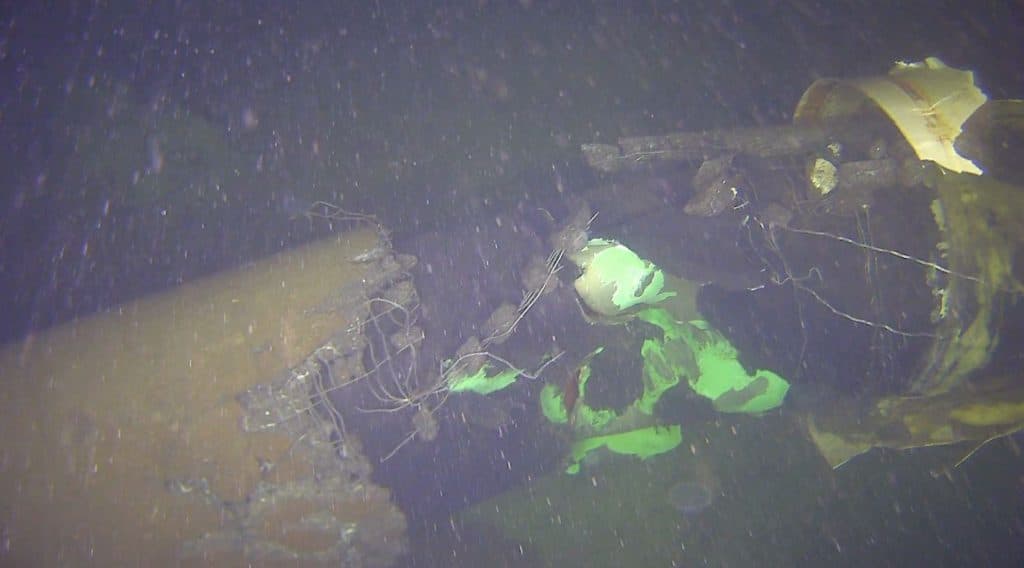
Similar risks have already become all too clear in the Baltic Sea. In December 2024, the EstLink 2 cable between Estonia and Finland was damaged, and Finnish authorities investigated the incident as serious sabotage. Estonia subsequently deployed naval forces to protect the EstLink 1 cable, and NATO announced a stronger military presence in the region. The United Kingdom is particularly vulnerable to similar disruption because of its island location, reliance on energy imports and extensive subsea infrastructure.
One weak point is the Langeled pipeline, which brings gas from Norway into the country. The United Kingdom meets more than half of its gas demand through imports, and a large share of Norwegian supplies flows along this route. Adam Bell, a former head of energy strategy for the UK government, has therefore described Langeled as the single biggest weak point in the British system. Its outage could quickly drive up prices and, in an adverse scenario, even pose a risk of supply restrictions, experts say.
The threats are not limited to physical damage to infrastructure. In his annual speech in October, MI5 Director General Ken McCallum warned of a new era of state threats, including sabotage and cyberattacks against critical infrastructure. In the past, today’s energy systems and supply chains were designed primarily with efficiency in mind, he said, which may leave them vulnerable to deliberate disruption.
Russia remains the main threat, but Iranian activity is also growing
Analysts identify Russia as the main threat, as it steps up unconventional operations against countries supporting Ukraine. However, Britain’s vulnerability is not only linked to its reliance on subsea infrastructure. Henning Gloystein, director at Eurasia Group, also points to limited capacity and low gas storage levels, limited refining capacity, a tight electricity generation situation and constraints in the power grid.
"These factors mean that even a small disruption can have a major impact," said Henning Gloystein.
At the same time, he said, the country has several advantages that mitigate these risks. They include a capable electricity system operator, a well-functioning gas sector and a UK-Norwegian system for monitoring potential threats, which increases the likelihood of detecting a would-be attacker.
Alongside Russia, analysts say the risk associated with Iran is also growing, as it seeks to expand its own unconventional operations. A specific warning came in August this year, when a cyberattack linked to Iran knocked a small British electricity generator offline for four days. The UK Department for Energy subsequently informed energy companies about ways to protect their facilities. The incident showed that security risks affect not only major subsea gas pipelines, cables and electricity networks, but also individual energy companies and their digital systems.
Protecting networks is becoming part of energy security
The situation in Britain reflects a broader trend across Europe. In recent years, increasing attention has been paid to protecting critical infrastructure. In 2024, for example, European countries dealt with damage to telecommunications cables in the Baltic Sea and the movements of the Russian reconnaissance vessel Yantar in an area of the Irish Sea crossed by important energy and communications routes.
The growing importance of this issue is also highlighted by an analysis from the European Centre for Strategic Studies and Policy, which describes Europe’s power grid as a strategically important yet increasingly vulnerable asset. According to the analysis, energy infrastructure faces a combination of risks, from geopolitical tensions and cyberattacks to physical sabotage and extreme weather. Its importance is growing as the European economy continues to electrify and digitise.
Energy security is therefore becoming less and less about simply ensuring adequate fuel supplies and generation capacity. The ability to protect physical and digital infrastructure, secure alternative supply options and quickly restore operations after a potential attack is also coming to the fore.
Translation disclaimer
This article is a machine translation of the Czech original and has not yet been fully reviewed. In case of any doubt, please refer to the Czech version.
Sdílejte článek prostřednictvím:
You might also like

22 October 2026, 10:07
22 October 2026, 06:21
21 October 2026, 17:52