
28 October 2026, 15:10
Loading...
British minister: Without gas-fired power plants, power cuts are a real risk

Eduard Majling
14 March 2024, 11:29
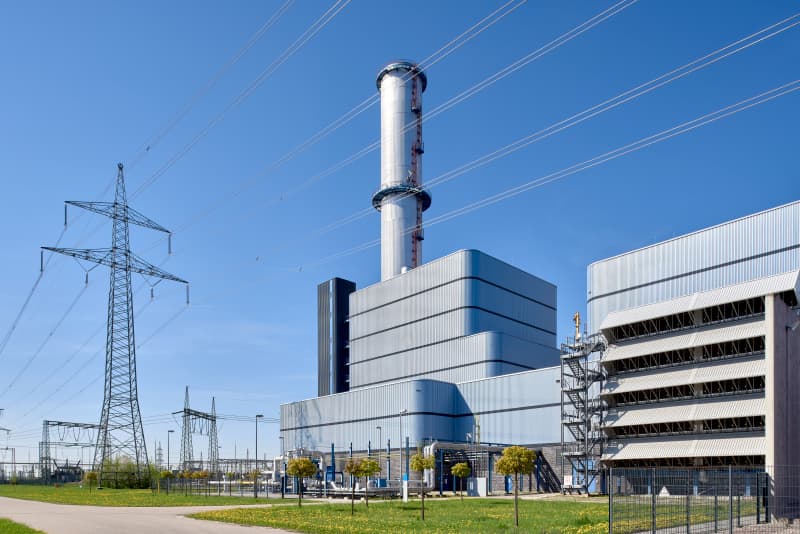
The British government announced plans earlier this week to build new gas-fired power plants to help ensure the country’s energy security. The new gas-fired power plants are intended to replace ageing facilities, as the development of renewable energy sources depends on gas-fired backup. The new gas-fired plants should, however, be capable of burning hydrogen or using carbon capture and storage (CCS) technology.
The construction of gas-fired plants to serve as backup for intermittent renewable sources has been a hot topic across Europe in recent years. Talks on building new plants have been under way for several years in neighbouring Germany, for example, as well as in other countries. The United Kingdom appears likely to take a similar approach, as it still generates a substantial share of its electricity in gas-fired power plants.
“Without gas to back up renewable energy sources, there is a real possibility of power supply interruptions... We will not let ourselves get into that situation,” Energy Security and Net Zero Secretary Claire Coutinho said at a conference in London this week, according to Reuters.
According to the minister, the ageing fleet of gas-fired plants will need to be replaced with new or refurbished facilities with a total capacity of 5 GW. These plants should also be ready to operate at net zero, meaning they must be capable of burning hydrogen or using CCS technology.
The plants should also serve as backup, operating for only a limited number of hours each year. This, the minister said, means that building new facilities is compatible with the country’s goal of achieving net zero emissions by 2050. Even so, the plans have drawn criticism from environmental organisations.
“The government’s plan to boost energy security and meet climate targets relies on making Britain more dependent on the very fossil fuels that are sending our bills and the planet’s temperature soaring,” said Doug Parr, Greenpeace UK’s policy director.
The unified British market could be split
Alongside discussions about building new plants, talks are also under way about a possible change to the wholesale market structure. At present, as in most European countries, electricity prices are set uniformly across Great Britain. The British ministry, however, is proposing to divide the market into multiple zones, as is the case in Nordic countries and Italy.
Under this arrangement, consumers would pay different prices for electricity depending on where their connection point is located. The system could help partially optimise the operation of the country’s power grid and enable the integration of more renewable energy sources.
“A significant share of our energy resources is located outside areas of high demand... Different wholesale prices could better reflect supply and demand and reduce costs for people across the country,” the British ministry said.
Translation disclaimer
This article is a machine translation of the Czech original and has not yet been fully reviewed. In case of any doubt, please refer to the Czech version.
Sdílejte článek prostřednictvím:
You might also like

28 October 2026, 13:08

28 October 2026, 11:10

28 October 2026, 09:08
