
28 October 2026, 15:10
Loading...
Electricity generation from fossil fuels in Britain falls to record lows

Jiří Salavec
28 April 2024, 09:38
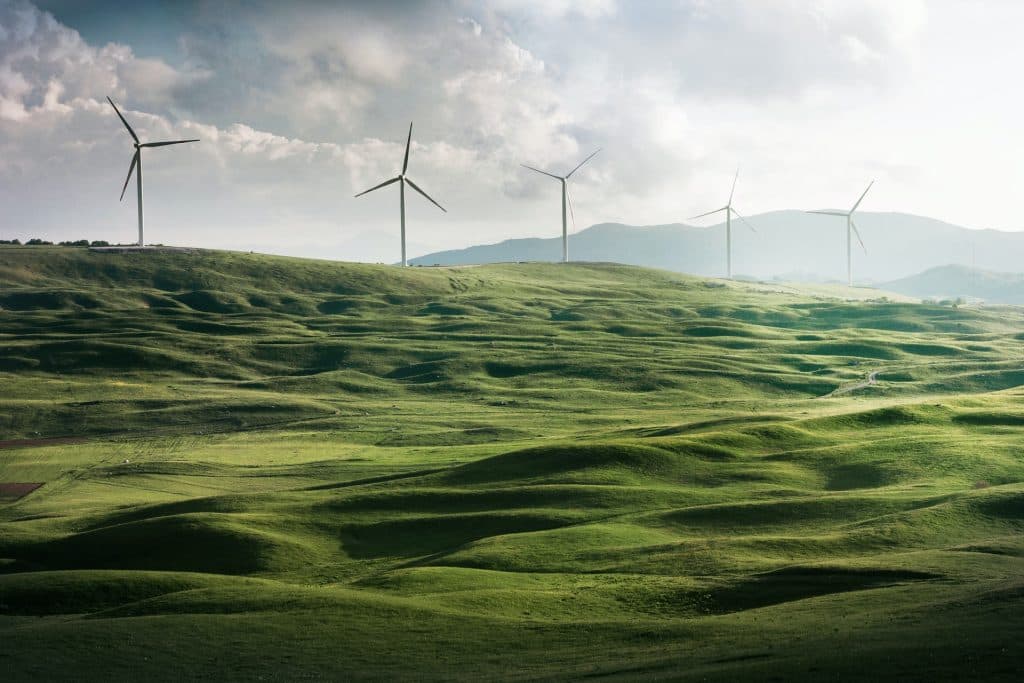
The share of electricity generated from fossil fuels in the United Kingdom is falling markedly. In mid-April, fossil fuels accounted for just 2.4% of the energy mix for one hour. Overall, the number of half-hour periods in which fossil fuels account for less than 5% of generation is rising significantly. So far this year, there have already been almost five times as many as during the whole of last year. The transmission system operator expects periods when the share of fossil fuels falls to zero to occur as soon as next year.
A recently published analysis of data from the British transmission system operator National Grid points to a rapid decline in the share of electricity generated from fossil fuels in the United Kingdom. Specifically, for one hour around midday on Monday, 15 April, the share fell to a record low of 2.4% (of which around 2% came from gas generation and the rest from coal).
"The new records mark a dramatic shift from 15 years ago, when gas and coal power plants accounted for 75% of the energy mix, while renewables made up just 2%. Last year, only a third of electricity in Great Britain came from fossil fuels, compared with 40% from renewables," said Craig Dyke, chief operating officer at National Grid.
National Grid publishes half-hourly generation statistics, and the number of half-hour periods in which fossil fuels accounted for less than 5% is rising significantly. In 2022, the operator recorded four such periods; last year there were 16, mostly in December. So far this year, the tally of half-hour periods with a fossil fuel share below 5% has already reached 75.
As recently as 2009, the share of fossil fuel sources was between 60% and 80% in most cases. Over the past two years, the lows have fallen to and below the 5% mark, although the range has also widened. In recent years, the share has spent most of its time between 10% and 60%. These figures show that although fossil fuel sources generate only a small fraction of electricity during some periods, at other times they still play a leading role and supply more than half of the electricity generated to the grid.
Operating entirely without fossil fuels
The British grid operator has been preparing since 2019 for a situation in which fossil fuel sources generate no electricity at all. Compared with the electricity grid in continental Europe, the British system is significantly smaller, so the loss of "rotating" generation is much more noticeable. National Grid's goal was to prepare for short periods without generation from gas and coal power plants by 2025. The government, meanwhile, expects the grid to operate using only zero-emission sources by 2035.
“Now we are seeing the culmination of considerable efforts over the past few years. It is not just about technology; it is about hearts and minds, processes and systems, and people working together with industry, the energy regulator and the government,” Dyke added.
Translation disclaimer
This article is a machine translation of the Czech original and has not yet been fully reviewed. In case of any doubt, please refer to the Czech version.
Sdílejte článek prostřednictvím:
You might also like

28 October 2026, 13:08

28 October 2026, 11:10

28 October 2026, 09:08
