Grid congestion in the Netherlands forces developers to install batteries at wind and solar farms

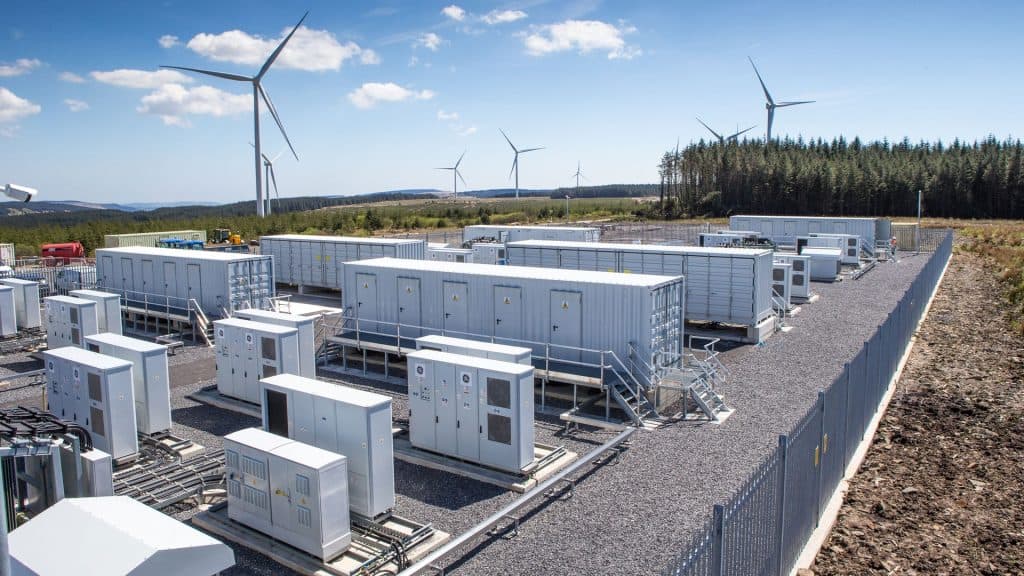
Long waits for grid connections and frequent negative electricity prices are accelerating the development of battery storage in the Netherlands, installed directly at wind and solar power plants. Batteries sharing a connection with renewable energy sources allow generators to use existing connection capacity and limit forced output curtailment.
The Netherlands, like Germany, has faced significant congestion in both its transmission and distribution grids in recent years. Many new electricity generators and large consumers have been waiting years for a grid connection. This situation creates a strong incentive for projects that can make use of existing or approved connection capacity. One solution is to install battery storage directly at renewable energy sources, typically at solar and wind farms.
Rapid growth in batteries sharing connections with renewables
The market for battery storage connected directly to a generation source has only been taking shape in the Netherlands over the past two years, but is expected to expand rapidly. According to estimates by TenneT, the capacity of these facilities could reach 1 GW by 2030 and nearly 2 GW by 2035.
Distribution system operator Liander says its project portfolio includes around fifty projects combining renewable generation with batteries. Some involve adding batteries to existing farms, while others are designed from the outset as new generation sites with integrated storage.
A key advantage of these projects is the ability to use existing or already approved grid connections. When new connections are often refused because of a lack of transmission capacity, sharing a connection between generation and a battery offers a significant competitive advantage.
Protection against negative prices and output curtailment
The number of hours with zero or negative prices on the Dutch day-ahead market has risen steadily since 2021, reaching a record high last year. According to a Montel EnAppSys study, these conditions led to around 0.8 TWh of generation being curtailed. Renewable energy operators are therefore facing pressure on market revenues.
Connecting a solar or wind farm to a battery allows generators to shift electricity deliveries to the grid to periods of higher market prices instead of selling immediately at negative or very low prices. According to Rabobank, the ability to manage electricity deliveries increases the economic attractiveness of projects, as renewable energy sources gain flexibility that has so far been offered mainly by conventional power plants.
Analysts at Kyos showed in a recent study that a battery connected to a solar farm recorded 16 % higher revenues on the day-ahead market compared with a standalone battery storage facility. This is because it can charge directly from its own generation without having to buy electricity on the wholesale market.
“The combination of battery storage with solar or wind assets brings several structural advantages that standalone projects simply cannot compete with,” said a spokesperson for Dutch renewable energy company Greenchoice.
A new form of support?
The Dutch government is currently preparing a new form of support for managed electricity deliveries from renewable energy sources to the grid using batteries.
Grid operators are also urging caution over the rapid rollout of batteries, as leaving them to operate solely in a market-driven environment could worsen local conditions, particularly in distribution grids.
“Even batteries sharing a connection with renewable energy sources can sometimes cause additional congestion. For example, when batteries feed electricity back into the grid while large amounts of electricity from solar or wind farms are available in the area,” said a spokesperson for Dutch distribution system operator Stedin.
Translation disclaimer
This article is a machine translation of the Czech original and has not yet been fully reviewed. In case of any doubt, please refer to the Czech version.