Moldova and energy security: “One step forward, two steps back”

“Moldova will no longer buy gas from Russia’s Gazprom.” “Moldova could buy Russian gas if the terms are favorable.” These were the headlines of two different reports published by Reuters just two days apart. They aptly illustrate the complex situation in which one of Europe’s poorest countries finds itself. On the one hand, there is energy insecurity, corruption and Russian influence; on the other, favorable conditions for renewable energy, Western investment and a completed energy audit. This article aims to briefly present the key premises and factors affecting Moldova’s energy security in light of recent developments.
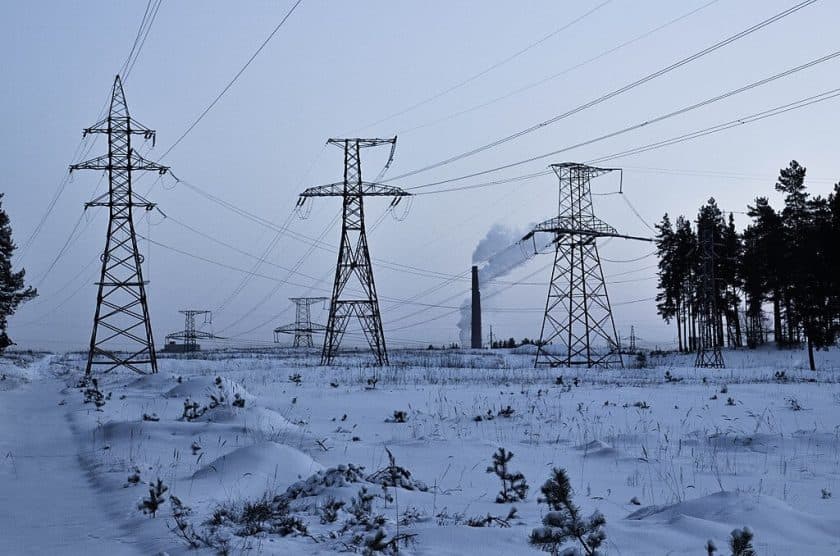
To begin, the issue needs to be put into context. Moldova declared independence in 1991 following the collapse of the Soviet Union. Part of Moldova did the same: the separatist region of Transnistria, most of whose residents were more inclined toward the USSR, and later Russia. However, the Kuchurgan power plant, the most critical part of the energy infrastructure, is located in Transnistria. The rest of the infrastructure is no better, especially when it comes to connections with other countries. For example, power lines connect Moldova with Ukraine, Transnistria and Romania, but only the latter can be a reliable partner today, not to mention the condition of the lines. The same applies to gas pipelines, with the Iași-Ungheni-Chișinău connection to Romania the only recent step toward diversification.
The information outlined above makes it clear that Moldova is not starting from an easy position. The country is trying, in part, to escape Russian energy dominance, which it has felt several times in the past, but has repeatedly failed to do so, even though, according to official statements, it has not imported Russian gas since December last year. Under this scenario, the gas flows very cheaply only to Transnistria, which Russia is keeping economically afloat. Sources say that Transnistria consumes 5.7 million m3 of gas every day. The paradox, however, is that Moldova depends on the output of the Kuchurgan gas-fired power plant, as it needs to buy electricity from it. This complicates the situation, and the regions are practically inextricably linked.
A recent accusation by Gazprom against Moldova provides a telling example of Russian blackmail: the company claimed Moldova owed it more than $700 million. Russia refused to withdraw its accusation, but Moldova called it a fraudulent accounting maneuver, a claim it backed up with an energy audit. The audit found that Gazprom had listed most of the costs without sufficient evidence. Other issues included excessive penalties, uncollectible receivables and other factors. The audit therefore put the debt at $8.6 million. Moldovan Prime Minister Dorin Recean said on the occasion: “The citizens of the Republic of Moldova should not bear the burden of non-existent debts to Gazprom. On the basis of an external audit, we firmly reject the alleged debts claimed by Gazprom’s subsidiary, Moldovagaz.” The event can be seen as an important moment in Moldovan-Russian relations that could enable the restructuring and reform of the country’s gas market.
Western investors are also hoping for this, having helped Moldova secure alternative energy supplies in recent times. The European Bank for Reconstruction and Development alone has provided a loan of $300 million. The total value of Western investment in 2022 was close to $1 billion. President Maia Sandu is pro-Western, and there have been signs of improvement during her tenure. The question remains, however, whether Moldova is truly moving forward or simply treading water.
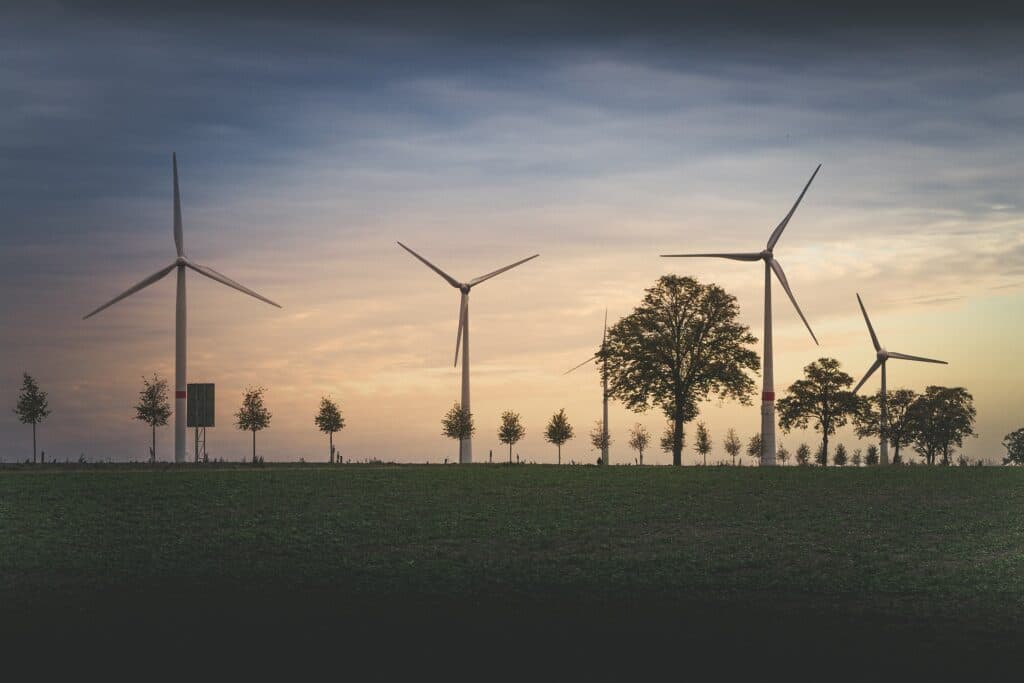
One positive development is progress on unbundling, or the separation of ownership of Moldovagaz, which should be completed in the coming months. This would be a significant change from the monopolized environment that has prevailed so far. On the other hand, Moldova committed to this step under a 2010 agreement when it joined the EU Energy Community, with an original deadline of 2016. Subsequent delays led to legal proceedings over the breach of the rules. Progress on renewable energy is very slow, but at least positive. Moldova has excellent potential, particularly in solar and wind power, so strengthening targets, modernizing the system and infrastructure, and passing the necessary changes should be priorities. Since 2022, however, only 97.9 MW of renewable electricity generation capacity has been installed, which is not much.
What undermines efforts to make progress, by contrast, is the endless vicious cycle of Russian influence. Just when it seems Moldova wants to break free, it soon falls back into the cycle, a pattern also reflected in the headlines cited in the introduction. The latest development to undermine efforts to phase out Russian gas is the signing of a contract with the Turkish company BOTAS to buy gas, reportedly two million m3 per day originating in Russia. It is worth asking why Moldova chose this path when Western suppliers were ready to deliver gas to the country.
In conclusion, Moldova still has a long road ahead, and it must choose which way to go. It needs to weigh its steps carefully, as a candidate country for EU membership it still has to make the necessary changes—if it is serious about its candidacy. It must also manage investments carefully and, above all, wisely; these offer a helping hand toward much-needed reforms. Such investments, however, are expected to generate a return, which is of course desirable. The final question is how important Russian gas is to Moldova’s energy security, and to what extent the issue is merely about powerful lobbying and corruption. It will undoubtedly be very interesting to see where Moldova goes in the coming years, because, based on the points outlined above, the saying “one step forward, two steps back” still applies.
Translation disclaimer
This article is a machine translation of the Czech original and has not yet been fully reviewed. In case of any doubt, please refer to the Czech version.