10 October 2026, 07:37
Loading...
Small power plant, major warning. Recent cyberattack shows how energy security is changing
Veronika Jurcová
26 August 2026, 06:46
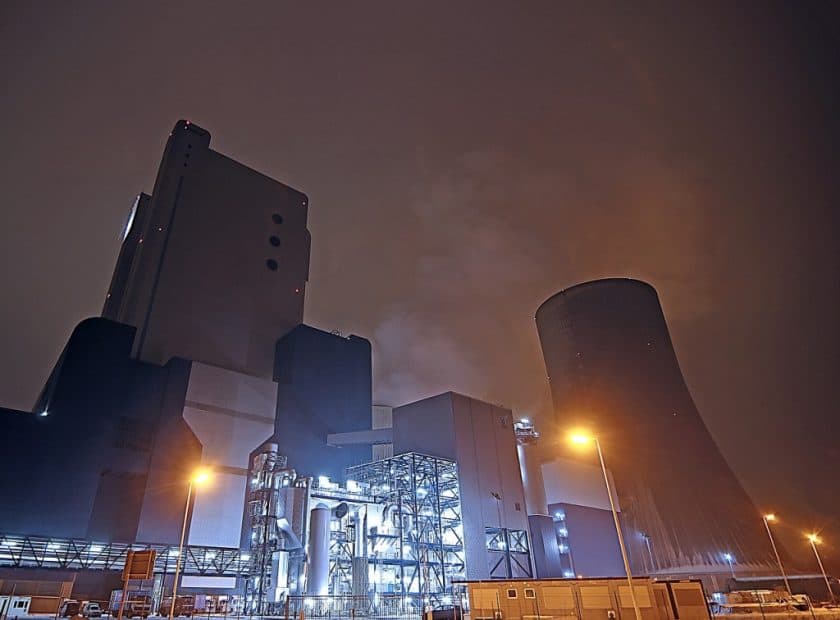
A cyberattack attributed to hackers linked to Iran was able to shut down a small generating facility in the United Kingdom for four days. In this case, it posed no problem for the British grid. But it is a significant warning for energy security. The incident confirmed cybersecurity experts’ concerns that cyberattacks no longer need to target only data and information systems, but can also have direct impacts on the physical operation of energy facilities, reports Montel news. Russia took the same path in Ukraine years ago.
The energy sector has been rapidly digitalising in recent years. Power plants, transmission systems and thousands of smaller facilities are increasingly interconnected through sensors, control systems and remote access. This brings greater operational efficiency, but also new vulnerabilities. The International Energy Agency (IEA) has long warned that the number of cyberattacks on the energy sector is growing and that digitalisation is expanding the number of potential entry points for attackers.
The recent incident in the United Kingdom fits precisely into this context. The British government has reassured the public that the wider electricity system was not at risk and that no one lost power supplies. According to available information, the affected facility was small and did not represent a critical element for grid stability. Nevertheless, following the incident, the government convened representatives of energy companies and warned them of the need to strengthen defences against cyber threats.
The reason is simple. The value of such an attack lies not only in the number of megawatts it can take offline. It is also a demonstration of capability. If an attacker penetrates a power plant’s control systems and can actually shut down equipment, they gain experience that can be used in a subsequent, coordinated attack. The British incident therefore fits into a broader trend in which cyber operations are becoming part of power competition between states.
Ukraine showed what can follow a breach
The most striking parallel is Ukraine. In December 2015, Russian hackers attacked distribution companies and remotely opened circuit breakers in the electricity grid. Around 230,000 customers were left without power, and in some areas the outage lasted up to six hours. The attackers also disrupted the energy companies’ telephone lines and used malware intended to complicate the restoration of operations.
The similarity with the incident in the United Kingdom is not in the scale of the damage, but in the logic of the attack. The energy sector is a physical system that is increasingly digitally controlled. A cyberattack can therefore cross the boundary between data theft and physical interference with infrastructure.
And that is precisely where its potential lies as a tool of hybrid conflict. There is no need to cause a blackout across an entire country. An attacker can first test defences, look for weak points and gain knowledge of operations. From this perspective, a small facility may be a more valuable target than its capacity would suggest.
A warning the energy sector must not ignore
The British attack also confirms the conclusions of an International Energy Agency (IEA) analysis. It warns that the number of cyberattacks against energy companies has risen sharply in recent years. At the same time, more digital technologies, sensors, communication devices and remote access points are being added, expanding the number of potential entry points for attackers. Energy companies also face a shortage of cybersecurity specialists.
In other words, the energy transition and digitalisation increase operational efficiency, but at the same time create new vulnerabilities. Every new interconnected system can benefit system management while also representing a potential opportunity for an attacker.
Like other European countries, Czechia is therefore also paying increasing attention to protecting energy infrastructure against cyber threats, particularly in the area of industrial control systems and operational technologies.
The British incident is important precisely because it confirms the IEA’s main warning: the energy sector is increasingly dependent on digital technologies, but the level of its cyber resilience may not be keeping pace with the speed of this transformation.
The impact of the incident on the British energy system was limited. Its significance lies above all in confirming the possibility of transferring a cyberattack from the digital environment into the physical functioning of energy infrastructure. Such scenarios are among the key concerns of experts responsible for protecting critical infrastructure.
Translation disclaimer
This article is a machine translation of the Czech original and has not yet been fully reviewed. In case of any doubt, please refer to the Czech version.
Sdílejte článek prostřednictvím:
You might also like

10 October 2026, 07:02


9 October 2026, 13:47