
23 October 2026, 14:38
Loading...
Syria's energy collapse: How has the civil war changed the country's energy sector?

Libor Láník
11 December 2024, 11:06
The fast-moving events in Syria in early December quickly made people forget the old order under President Bashar al-Assad. The Middle Eastern country has been wracked by civil war since 2011, a conflict that has significantly damaged not only Syria's energy sector. The current state of the sector was reported on by the online journal Sada, part of the global think tank Carnegie Endowment.
Bashar al-Assad ruled Syria from 2000, when he took over leadership of the country from his father. Together, they created a dynastic dictatorship that lasted for more than half a century. The civil war, however, proved to be a turning point, affecting every aspect of daily life. International sanctions have also played an important role in shaping the current state of Syria's energy sector.
To understand the situation today, it is useful to compare conditions before 2011, when the country was relatively calm, with those after the civil war began and fundamentally disrupted developments in the energy sector. Oil and natural gas production provide a telling example. According to a report by the Energy Information Administration (EIA), Syria produced approximately 383 000 barrels of oil per day and nearly 9 billion cubic metres of natural gas per year before the war.
Current estimates, however, put oil production at around 40 000 barrels per day and natural gas production at approximately 3 billion cubic metres per year. Syria still has reserves of 2.5 billion barrels of oil and around 240 billion cubic metres of natural gas.
In terms of electricity generation, Syria produced nearly 44 TWh in 2010, of which 94 % came from conventional thermal power plants and the rest from hydropower plants. After the war broke out in 2011, however, electricity production fell sharply as power plants and infrastructure were destroyed and the government was unable to secure the fuel needed to operate them.
Not long after the conflict began, more than 30 power plants were out of service and at least 40 % of high-voltage lines had been damaged, according to Syria's Minister of Electricity. Inadequate supplies of gas and fuel meant that electricity was available in many areas for only 2-4 hours a day.
Renewables could also help repair the damage caused by war
Syria's energy sector was severely damaged during the more than decade-long conflict. Extensive damage to infrastructure, shortages of fuel and gas, and strict sanctions led to a dramatic decline in energy production. Long-term losses exceeding 120 billion dollars point to a deep crisis that will require substantial investment and international support to resolve.
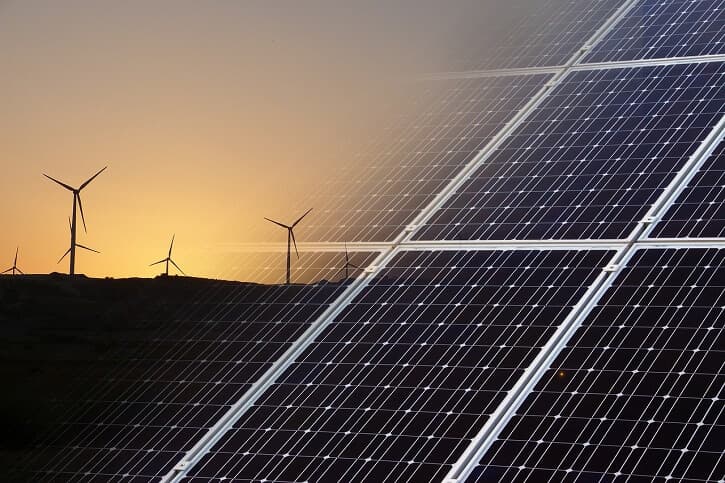
Despite these challenges, some progress can be seen in the sector, particularly through efforts to develop renewable energy sources. Syria's Minister of Electricity even presented an ambitious plan to install up to 2500 MW of solar capacity and 1500 MW of wind power by 2030, alongside 1,2 million solar water heaters. In practice, however, implementation is severely constrained by financial and technical problems.
Smaller, decentralised projects, such as solar panels on household rooftops or systems to power agricultural and communications equipment, are proving to be a more viable alternative. These initiatives help mitigate the effects of the energy crisis and provide local communities with at least partial energy self-sufficiency.
Translation disclaimer
This article is a machine translation of the Czech original and has not yet been fully reviewed. In case of any doubt, please refer to the Czech version.
Sdílejte článek prostřednictvím:
You might also like


23 October 2026, 11:01


23 October 2026, 06:34