30 September 2026, 13:45
Loading...
Uniper sale attracts giants. Czech tycoon Křetínský faces a strong rival

Eduard Majling
30 September 2026, 13:45
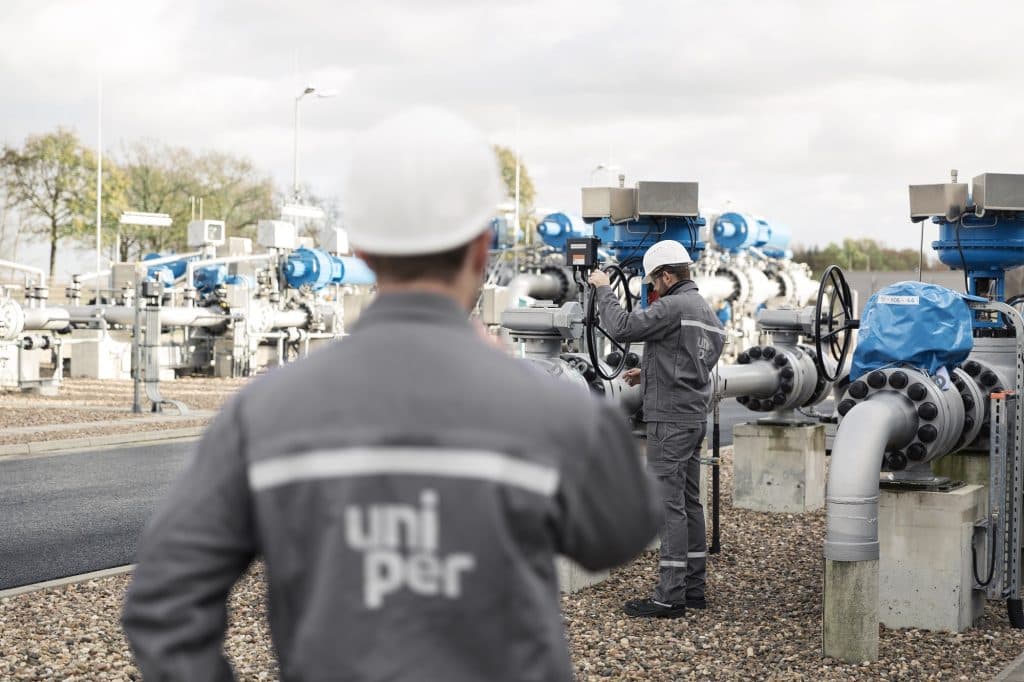
The German state is continuing its search for a buyer for Uniper, which remains an important part of the country’s energy sector after being rescued during the energy crisis. The Czech company EPH, already a major market player, has also entered the race. EPH’s bid has already drawn opposition from employees, and there are also concerns about the impact on competition. According to Bloomberg, another major bidder has now entered the sale process—one the German state could favor.
Berlin launched the sale process in May, with interested parties asked to indicate on a non-binding basis by June 12 whether they were interested in a stake in Uniper. The German government has offered up to 74.12% of the shares for sale and intends to retain a blocking stake after the sale, meaning at least 25% plus one share.
The sale process is not entirely voluntary. The sale is mandatory under a European Commission decision, which made it a condition of approving Uniper’s rescue during the first energy crisis. Under the decision, Germany must reduce its stake by the end of 2028.
According to information published in June, around ten parties, ranging from energy companies to financial investors, had expressed interest in Uniper. According to the German press, Daniel Křetínský’s EPH has submitted an offer to acquire the entire group, acting as the sole buyer. Alongside the sale, Uniper is also preparing the option of a stock market listing. In some respects, this is a similar process to the one awaiting ČEZ Energy.
The clash between a sale to a strategic investor and maintaining the company’s independence could determine the German government’s preferences. Meanwhile, an offer combining a private investor with the experience of a major energy player is taking shape behind the scenes. Such a bid may be more acceptable to Berlin than a direct takeover of the entire company by a single competitor.
New partnership could ease concerns about market concentration
According to Bloomberg, investment firm KKR and German energy group RWE have submitted a joint non-binding offer. Other bidders include Norway’s Equinor and a consortium of Brookfield Asset Management and Canadian pension fund CPPIB.
Concerns about competition could prove an obstacle to a potential takeover of Uniper by RWE. Germany’s competition authority has previously assessed RWE’s market position and deemed it potentially problematic. Among other things, it examined how often a generator is essential to meeting electricity demand. According to the authority, RWE exceeded the five-percent threshold associated with a possible dominant market position.
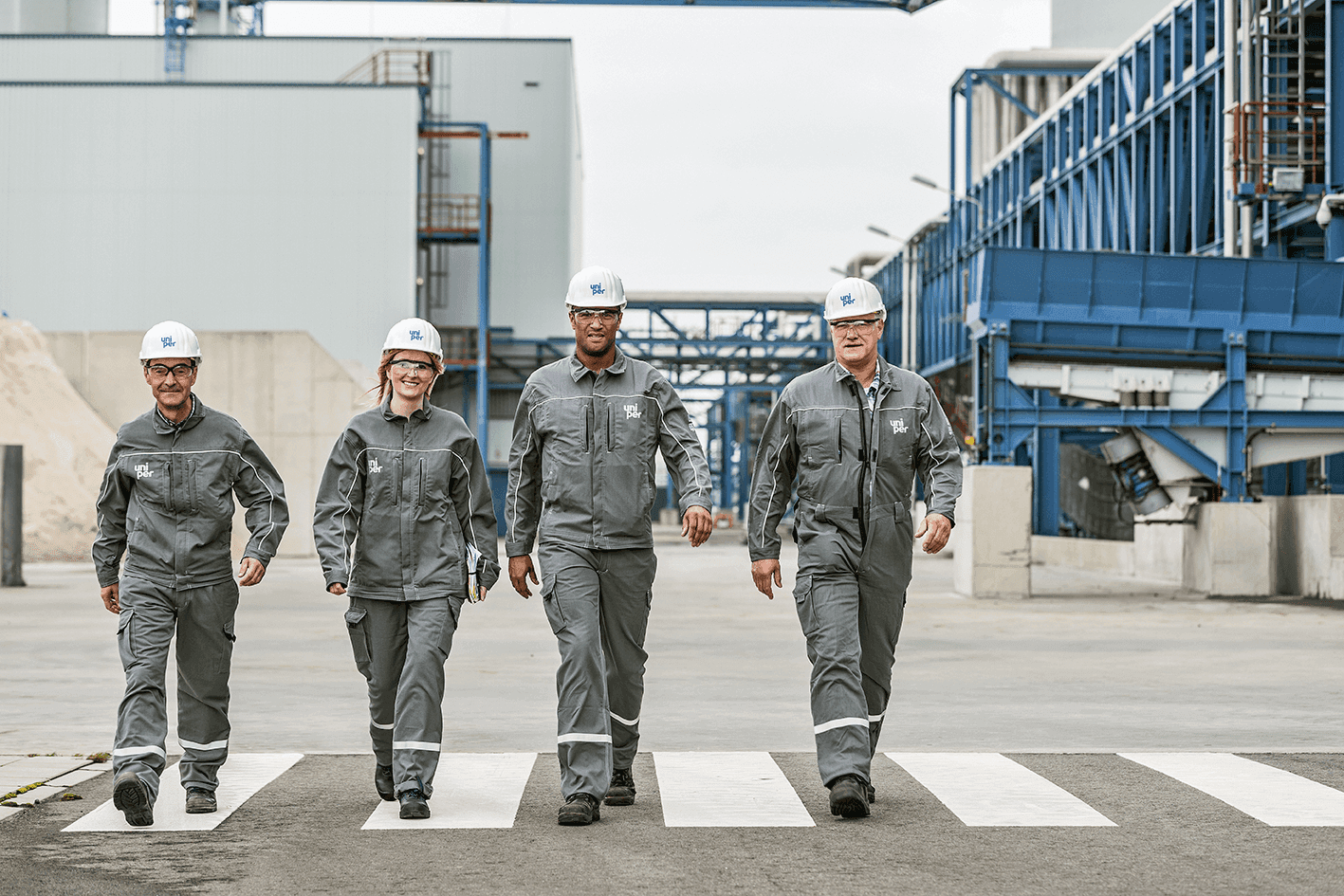
Source: Uniper
A joint bid with KKR could allow the partners to divide up their roles. The financial investor could acquire a majority stake, while RWE would take only selected parts of Uniper. Media reports have cited trading and gas-fired power plant and hydrogen projects as possible areas. Whether such an arrangement could win approval from competition authorities would depend on which assets ultimately went to RWE.
Berlin has made clear that it wants to keep Uniper as an integrated company combining gas trading and power generation. According to the German government, selling off individual parts would not meet European Union requirements, while employees favor a stock market listing, which they believe would better protect the company’s independence.
EPH has a significant share of the German market
EPH already has a major presence in Germany. It currently operates significant assets through LEAG. Acquiring Uniper would strengthen Křetínský’s group in one of Europe’s most important energy markets and substantially expand EPH’s activities in Germany beyond power generation.
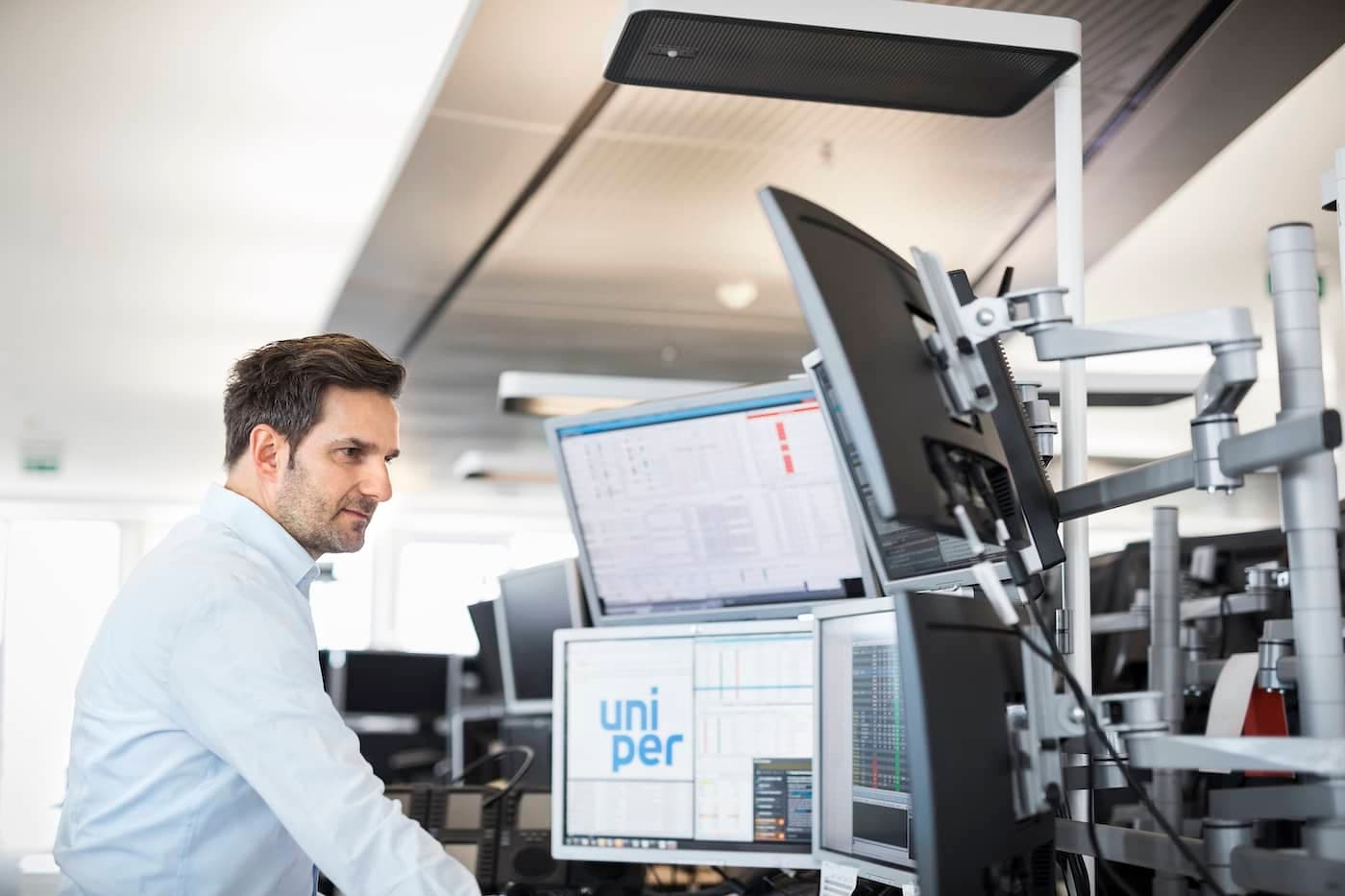
Commodity trading, Source: Uniper
Uniper is one of Germany’s major gas importers and power plant operators, and is part of the country’s critical infrastructure. Its activities also include gas trading, gas storage operations and power generation assets, including gas-fired, nuclear and hydroelectric facilities. These are therefore key assets from an energy security perspective. Employees have consequently warned against a sale to a strategic investor and are concerned about the company being broken up or jobs being cut.
EPH’s activities show that the company continues to intend to strengthen its position in the German energy sector. This will be one of the most significant deals in the European energy sector in the period ahead, so it is unsurprising that Křetínský’s EPH is taking part. As is clear, however, a potential deal will not be just a question of price. Energy security, competition and the preservation of an important energy company’s independence will also be key considerations.
On the other hand, Křetínský’s EPH has already shown, through its acquisition of Vattenfall assets, that it knows how to execute deals of this kind.
Translation disclaimer
This article is a machine translation of the Czech original and has not yet been fully reviewed. In case of any doubt, please refer to the Czech version.
Sdílejte článek prostřednictvím:
You might also like
30 September 2026, 12:31
30 September 2026, 12:13
30 September 2026, 12:10
30 September 2026, 10:32