
23 October 2026, 14:38
Loading...
Wind turbine in Lusatia: An innovation that will double power generation

David Vobořil
1 October 2024, 06:34
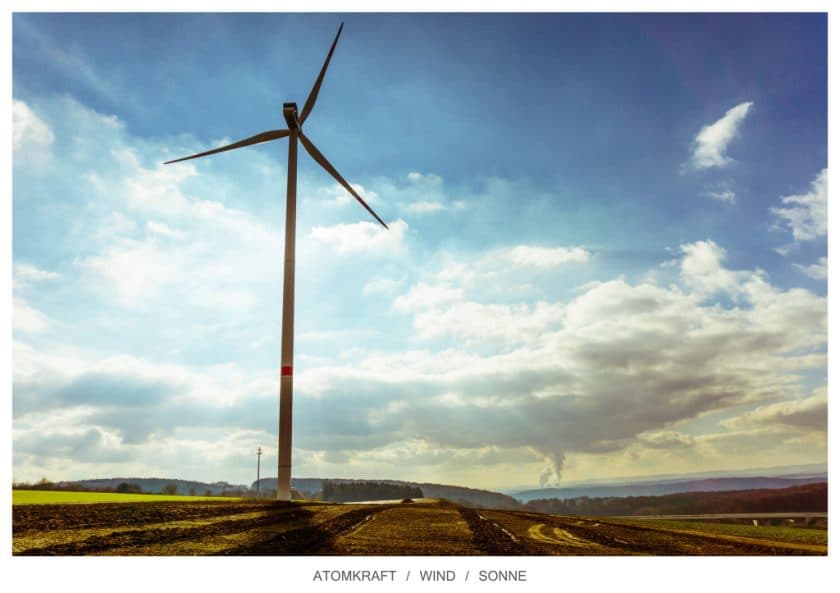
Work has begun on the construction of the world's tallest wind turbine in the eastern German lignite region of Lusatia. Thanks to its height, the turbine is expected to generate twice as much electricity and is due to begin operating next summer. Its height has required several innovative solutions.
Two weeks ago, the foundation stone was laid for the world's tallest wind turbine in the Lusatian municipality of Schipkau in the state of Brandenburg. The turbine is set to reach a height of 364 metres including its blades, making it almost as tall as Berlin's iconic TV Tower. It is due to be commissioned in summer 2025.
Measurements show that there is 40% more wind energy at this height, which means twice as much electricity generation with the same rotor diameter. This figure comes from measurements taken over the course of a year using a 300-metre-high measurement mast at the site.
“At this height, the wind not only has higher average speeds, but also a wider distribution, which leads to significantly more full-load hours for wind turbines at this height,” said Jochen Großmann, founder of Dresden-based Gicon, the company that developed and built the turbine.
Großmann compares the turbine's electricity generation with that of offshore wind farms. However, because it is being built on land, “construction and maintenance costs are significantly lower, which has a positive impact on profitability”.
In the future, wind turbines this tall could also be used in areas with little wind, where wind energy was previously not economically viable. Gicon itself describes the project as a “technological breakthrough in wind energy” and “a significant milestone in the expansion of renewable energy”.
Innovative design
According to MDR, the design is based on an idea by Leipzig engineer Horst Bendix. In the turbine he designed, the conventional wind turbine tower was replaced by a tripod structure consisting of a vertical column and two supporting columns. The generators were placed at ground level and connected to the rotor by a belt system.
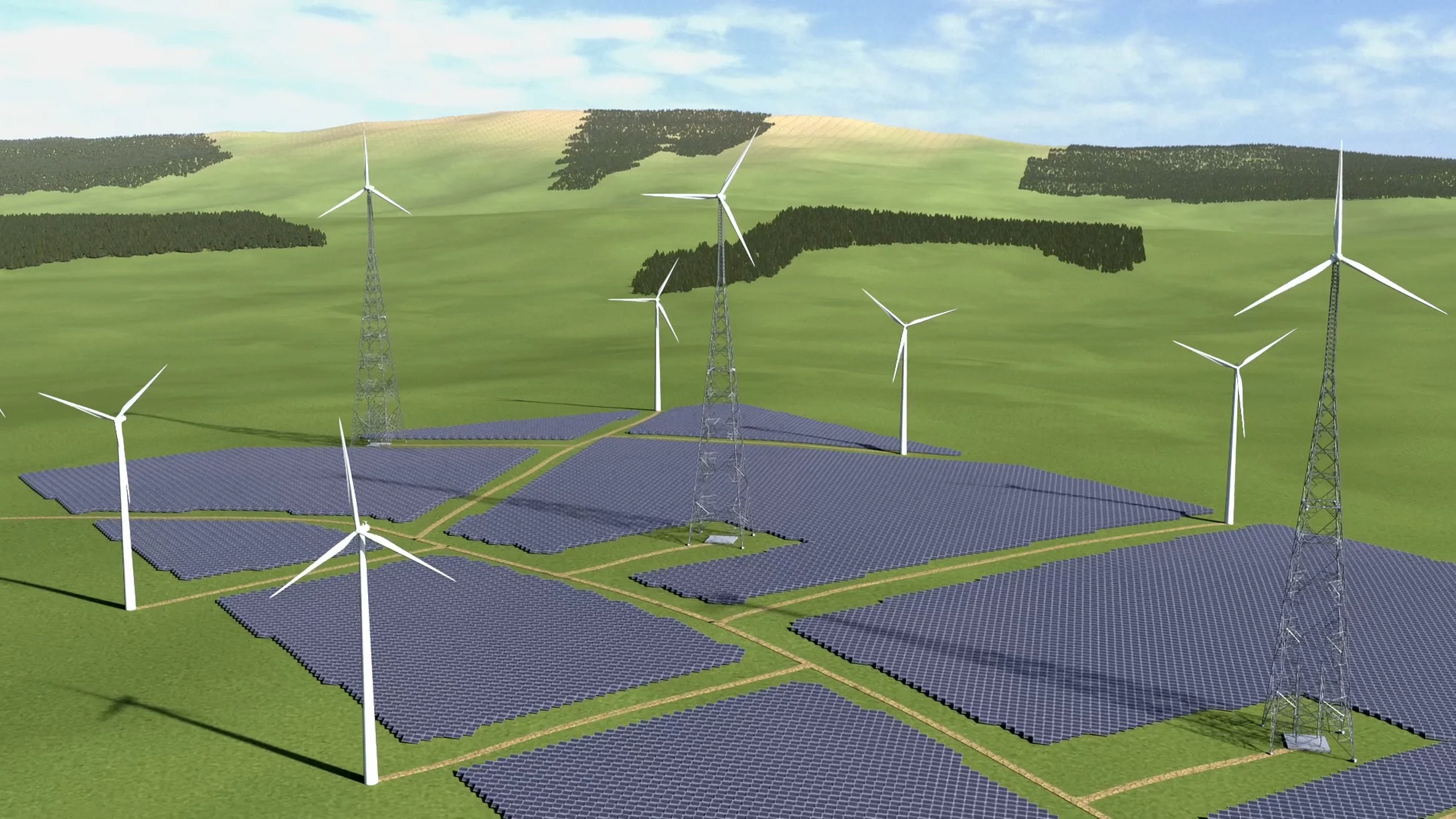
Gicon's innovative wind turbine design. Source: Gicon
However, Dresden-based Gicon, which was commissioned to develop and build the wind turbine in Lusatia and has been exploring the idea of high-altitude wind turbines for some time, placed the generators at the top of the hub—not at the base of the tower, as Bendix had envisaged.
There are four arms instead of three, and the tower resembles the structure of an overhead power line pylon. This makes it possible to position the turbine, attached to the tower's inner, movable section, at a height of up to 300 metres. With blades more than 100 metres long, this design makes it possible to build turbines with a total height of around 400 metres.
The turbine avoids public opposition
Unlike other wind turbines, the project in Schipkau and the surrounding area has not met with any opposition from local residents. One reason cited is that Gicon informed residents about the project and involved them from the outset. The new turbines also require no additional space, as they will be built among existing wind turbines.
“The towers are so tall that the rotors do not overlap or take wind away from each other,” Großmann explained.
Translation disclaimer
This article is a machine translation of the Czech original and has not yet been fully reviewed. In case of any doubt, please refer to the Czech version.
Sdílejte článek prostřednictvím:
You might also like


23 October 2026, 11:01


23 October 2026, 06:34