Canada signs deal with Germany to import LNG for 20 years

Canada wants to make the most of its unique position in the energy market and, amid current geopolitical tensions between Europe and the US, is offering a deal to sell liquefied natural gas (LNG) to Europe’s largest economy. Canadian Prime Minister Mark Carney is seeking to capitalize on the country’s abundant fossil fuel reserves and firmly establish it in the global energy commodities market.
Germany’s state-owned energy company SEFE recently agreed to buy one million tonnes of Canadian LNG a year for up to 20 years, with deliveries expected to begin around 2030. If the deal goes ahead, it will be the first cooperation of its kind between Germany and a Canadian LNG supplier.
In recent years, Germany has sought to steadily move away from Russian natural gas supplies, particularly in the context of Russia’s war in Ukraine. Canada, meanwhile, has also seen relations deteriorate in recent years with its closest energy ally, the United States.
Floating LNG terminal
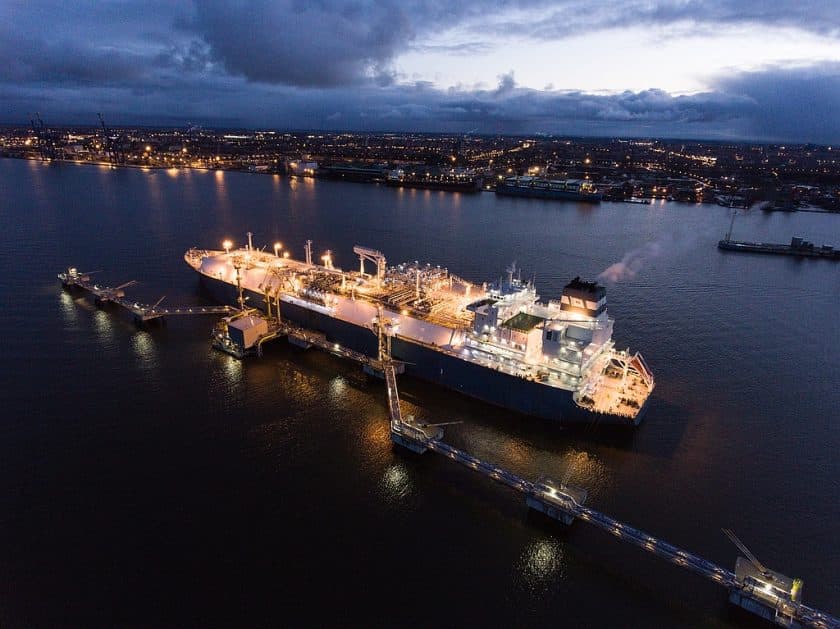
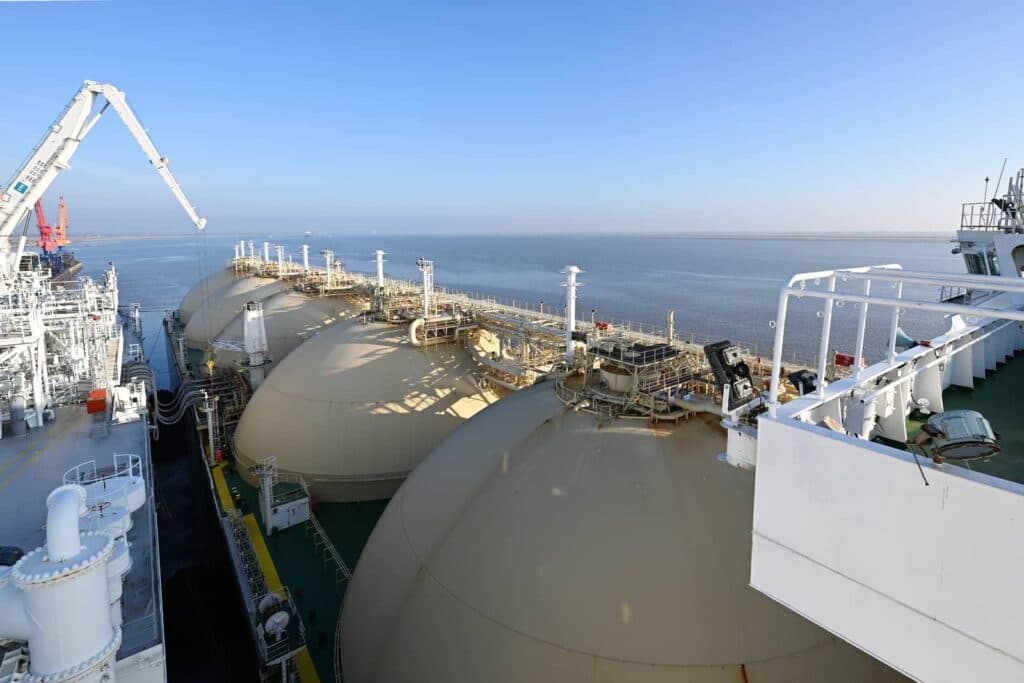
The supplies to Germany would come from a proposed floating LNG export terminal to be built off the northern coast of British Columbia. The terminal would be operated by a consortium led by Western LNG, which is backed by Blackstone. The Nisga'a Nation, a local Indigenous community, is also a co-owner.
The Ksi Lisims LNG project is expected to be among the world’s lowest-emission greenhouse gas terminals and, according to estimates, would operate with net-zero emissions once fully electrified. The electricity would come from hydroelectric plants in British Columbia. The project envisages the construction and operation of up to two floating facilities, which together would export up to 12 million tonnes of LNG a year.
According to Canadian Energy Minister Timothy Hodgson, the deal is a direct response to Canada’s efforts to establish itself as a strong and, above all, reliable player in the global energy commodities market.
SEFE CEO Egbert Laege also said the deal with Canada builds on the company’s commitments to buy gas from Argentina, the Middle East and the US. However, neither party has disclosed the financial terms of the LNG sale or purchase deal under discussion.
“This partnership gives us the flexibility to deliver cargoes to any destination, further strengthening the resilience and diversification of our portfolio for the benefit of our global customers,” Laege said in a statement.Canada bets on diversifying LNG exports
Among Carney’s main political priorities are building and modernizing the country’s trade corridors and supporting resource projects, as part of efforts to diversify exports beyond the US and into other markets in Asia and Europe.
“We will need more of this transition fuel, and we will need it for longer,” Hodgson said.
The LNG supply deal with Germany marks a major turning point for Canada. In 2022, former German Chancellor Olaf Scholz was interested in securing Canadian LNG to help replace Russian gas imports. During a visit to Canada, Scholz took part in a press conference with former Canadian Prime Minister Justin Trudeau.
At the time, however, Trudeau took a more reserved stance on the issue of Canadian LNG imports to Germany, focusing instead on an offer to import hydrogen. According to Trudeau, in the autumn of 2022 there was no sufficiently convincing business model to support shipping LNG from Canada to Europe.
Translation disclaimer
This article is a machine translation of the Czech original and has not yet been fully reviewed. In case of any doubt, please refer to the Czech version.