ExxonMobil and QatarEnergy celebrate: new LNG terminal launched in Texas
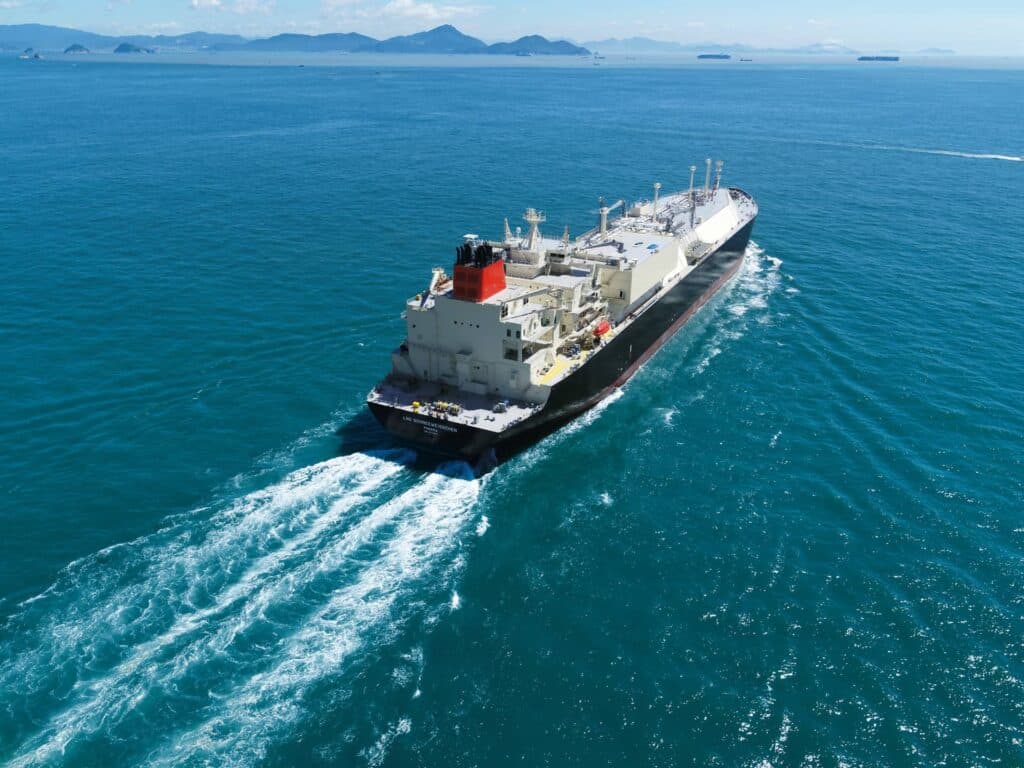
The launch of the new US LNG terminal Golden Pass comes at a turbulent time for the energy sector. The terminal will offer capacity of 18.1 million tonnes of LNG per year.
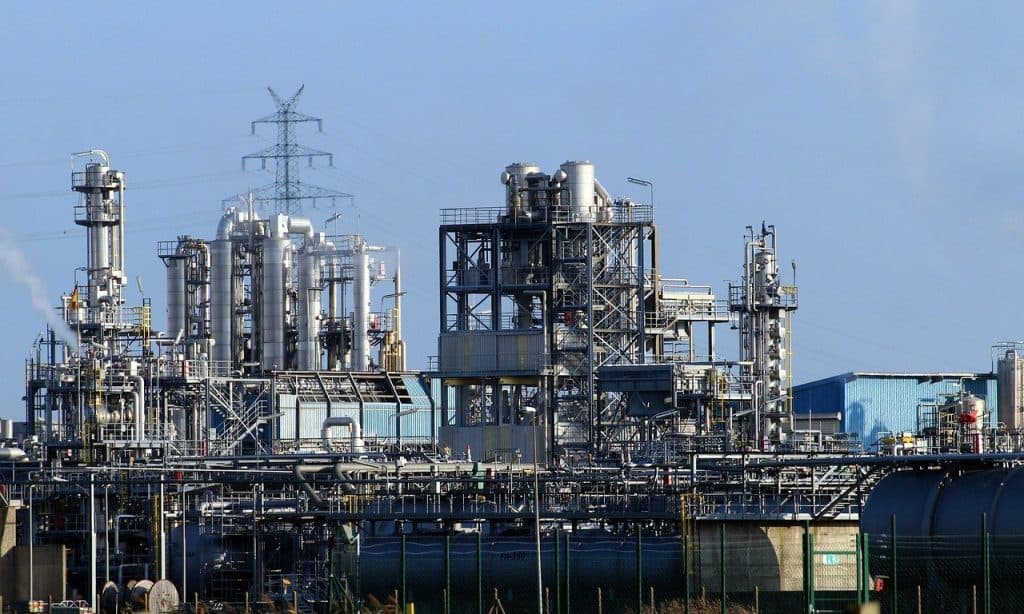
LNG production began at the Golden Pass terminal in Texas on Monday, 30 March 2026. It is the ninth major US LNG terminal designed to liquefy gas and then export it by ship. In terms of technical specifications, the terminal has three liquefaction trains with a total capacity of 18.1 million metric tonnes of LNG per year. The project also includes LNG storage tanks, each with a capacity of up to 155 000 m³ of LNG. Two marine berths are used to handle LNG tankers and are equipped to accommodate the largest LNG carriers. The first tankers will be able to use the terminal in the second quarter of this year.
Company ownership structure
The terminal is operated by Golden Pass LNG, which is owned by two major energy companies—US-based ExxonMobil and QatarEnergy. The majority owner is the Qatari company, with a 70% stake; the remaining 30% belongs to ExxonMobil.
Qatari Minister of State for Energy Affairs and QatarEnergy CEO Saad Sherida Al-Kaabi said after the initial start-up:
“The first LNG delivery is exceptionally significant for us. This is one of the largest investment decisions in the entire history of the US LNG industry. The start of operations and Golden Pass LNG’s entry into the market come at a time when energy security is one of the highest priorities worldwide. We very much look forward to beginning exports and are confident they will proceed smoothly and safely.”
Golden Pass LNG CEO Alex Savva also shared his excitement about the successful start-up:
“Today, we began LNG production at our terminal in Sabine Pass, bringing to a close the extensive effort involved in building, commissioning and starting up the first LNG production train, and beginning operations at a world-class facility with an exceptional team.”
Geopolitical context works in the terminal’s favour
Given the geopolitical situation in the Middle East, it can be said that the increase in US LNG capacity comes at just the right time.
The project’s majority owner, QatarEnergy, has had to declare “force majeure” on its LNG supplies flowing from the Persian Gulf, where the strategically important Strait of Hormuz remains blocked. Global LNG supply has therefore fallen by almost 20%. This has put unprecedented pressure on natural gas prices, and therefore on LNG prices too.
Energy commodity prices surge
By the end of March, spot LNG prices for southern Europe had reached EUR 53.315/MWh, according to ACER. This represents an increase of almost 85% compared with the level on 27 February 2026 (the day before the conflict in the Persian Gulf broke out).
In recent weeks, not only have energy commodity prices been rising, but so have the shares of US energy giants such as ExxonMobil and Chevron, which are benefiting financially from rising commodity prices and are becoming more attractive to investors.
Translation disclaimer
This article is a machine translation of the Czech original and has not yet been fully reviewed. In case of any doubt, please refer to the Czech version.