13 November 2026, 18:26
Loading...
Alaska LNG: A path to U.S. energy dominance, or a dead end?

Libor Láník
24 April 2025, 07:04
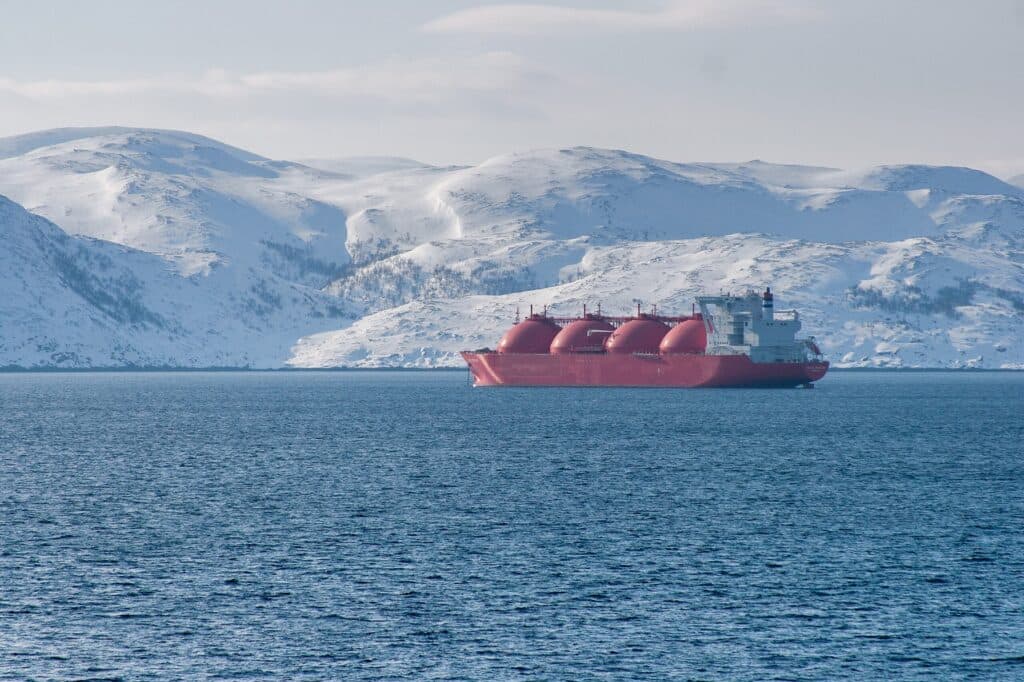
The ambitious Alaska LNG project is once again under investors’ scrutiny. This time, however, it is because of concerns over U.S. tariffs, which are prompting Asian trading partners to reconsider their involvement in the major energy project in Alaska. The pipeline link between Arctic fields and liquefaction terminals in the south is therefore gaining new momentum, CNBC reported.
The Alaska LNG project is a major U.S. liquefied natural gas (LNG) export initiative aimed at connecting the rich fields on Alaska’s North Slope—specifically the Prudhoe Bay and Point Thomson deposits—with export infrastructure in the south of the state.
Estimates put proven reserves at approximately 1 trillion cubic meters, while the region’s total potential could reach as much as 6 trillion cubic meters. A key part of the project is the construction of a 1287-kilometer pipeline that would connect these fields with the port of Nikiski, the longest-operating LNG terminal in the United States.
Translation disclaimer
This article is a machine translation of the Czech original and has not yet been fully reviewed. In case of any doubt, please refer to the Czech version.
The article continues for subscribers
Premium content
The rest of this article is available to premium subscribers only. Get access to all premium articles on oEnergetice.cz.
You have read only 33% of the article — unlock the remaining 67% with a premium subscription.
Best value: annual subscription
Monthly option 4 € / month
3.25 €/ month
You might also like

13 November 2026, 11:35
13 November 2026, 11:27
13 November 2026, 11:25

13 November 2026, 06:12