23 October 2026, 14:38
Loading...
Austria downsizes gas grid. Industry warns of deindustrialisation risk

Jakub Malý
4 November 2025, 14:39
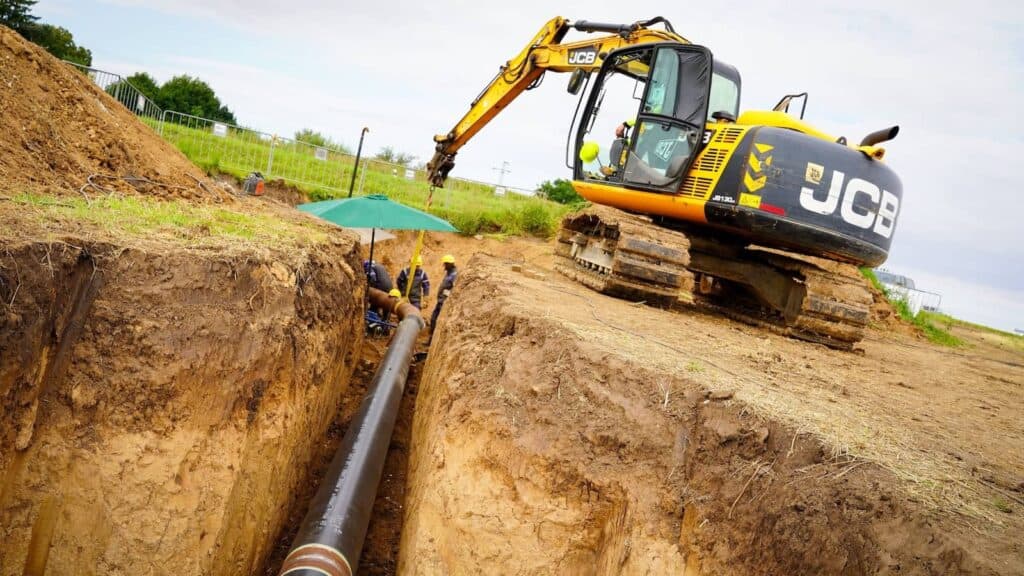
Austria is preparing for a fundamental change to its gas infrastructure. Economy and Energy Minister Wolfgang Hattmannsdorfer announced at the end of October that the gas network is to be gradually resized from 2026. Officially, the move is intended to help meet EU climate targets and the Net Zero strategy by 2045, but in reality it raises serious questions about the future of industry and the country’s competitiveness.
A key element of this transformation is a proposal by regulator E-Control under which gas network charges are to rise by an average of 18.2% from 1 January 2026, ranging from +6.5% to +35% depending on the region. The reason is falling gas consumption, meaning that the fixed costs of maintaining and operating the network are spread across an ever-smaller number of customers, inevitably leading to higher charges.
Decisions on which pipeline sections will be decommissioned are to be left to local authorities and network operators, based on economic viability and actual demand. This is therefore not a blanket shutdown, but a targeted closure of underused branches, with part of the infrastructure to be converted to hydrogen transport as part of the emerging Hydrogen Backbone.
In the short term, however, the policy is prompting growing concern in the industrial sector. The country’s largest gas consumer is voestalpine AG, which used 36.4 TWh of energy in the 2023/24 financial year, of which 17.4% was natural gas – equivalent to 6.34 TWh of electricity, or approximately 8% of total Austrian electricity generation.
Without stable and affordable access to gas, both continuity of production and the planned transformation of the steel industry are at risk. Replacing gas with coal would call climate commitments into question, while switching to electricity faces limits on availability and the intermittency of renewable energy generation.
Voestalpine is one of the leading symbols of technological modernisation. In Linz, it is preparing its greentec steel project, which envisages switching to an electric arc furnace (EAF) and using a raw-material mix of 40–60% steel scrap, 20% HBI (Hot Briquetted Iron) and 20% liquid pig iron. HBI is a product of direct reduced iron (DRI) production, which currently uses natural gas but is expected to transition gradually to hydrogen in the coming years. The aim is to cut CO2 emissions by more than 30% by the end of the decade, with the new furnace expected to begin operating in 2027.
The paradox of this transition is that the faster Austria reduces its dependence on gas, the more expensive gas becomes for those who still need it. All gas networks in Europe face the same problem.
Energy-intensive operations such as steelworks, chemical plants and cement works cannot do without a stable energy source. While political representatives emphasise the environmental aspect of the transition, industry warns of the risk of deindustrialisation.
Translation disclaimer
This article is a machine translation of the Czech original and has not yet been fully reviewed. In case of any doubt, please refer to the Czech version.
Sdílejte článek prostřednictvím:
You might also like
23 October 2026, 11:01

23 October 2026, 06:34