3 October 2026, 13:01
Loading...
Egypt in talks on long-term LNG supplies as domestic production fails to meet rising demand
Vojtěch Kříž
23 July 2026, 10:33
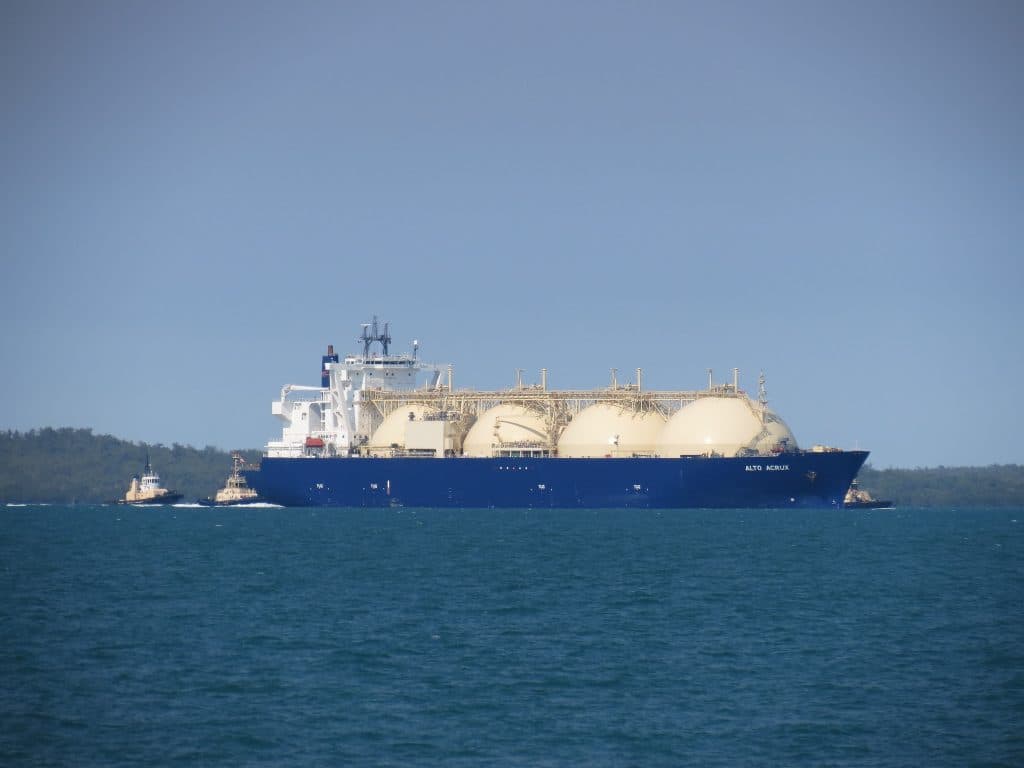
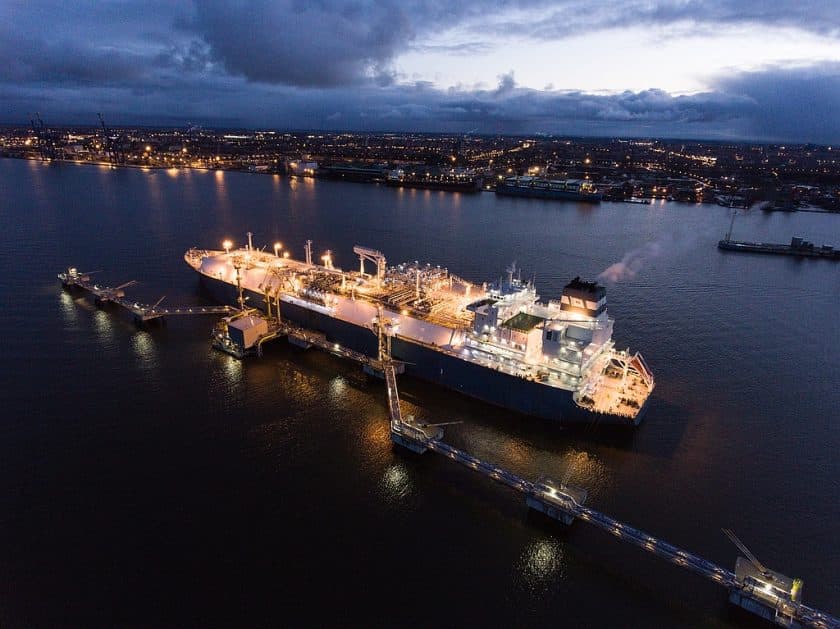
Egypt is in talks with several energy giants on long-term supplies of liquefied natural gas (LNG). According to Reuters, the North African country is seeking new contracts to cover rising domestic demand, which domestic natural gas production has been unable to meet for some time. Since the start of the Israel-Iran conflict, gas imports to Egypt have nearly tripled.
According to Reuters, which cited two informed sources, Egypt has held talks with BP, TotalEnergies and Shell, among others. The country is reportedly seeking to buy 15 to 18 LNG cargoes per month for at least three years. No deal has been reached so far, however, and none of the companies approached has commented publicly on the talks.
From Egypt’s perspective, such a move makes sense. The country, with a population of more than 100 million, has long faced rising energy consumption that domestic production can no longer cover. The situation is further aggravated by rising natural gas prices amid geopolitical uncertainty in the Middle East.
A solution for the economy?
Although the Egyptian economy is showing signs of stabilisation, the cost of importing energy commodities continues to rise, and the country remains heavily indebted. According to Reuters, new LNG contracts could cost Egypt 8 to 11 billion dollars a year. The weakening Egyptian pound is also adding to the burden, making energy commodity imports more expensive.
Securing long-term contracts would therefore be a more advantageous option for Egypt than buying on the spot market, where gas prices remain highly volatile. Egypt has also recently signed a new deal with Israel for natural gas supplies worth approximately 35 billion dollars. Between July 2025 and June 2026, the country imported almost 30 billion cubic metres of natural gas.
Egypt’s leadership is seeking to meet the ever-growing demand for electricity and natural gas from households and industry. Although the government supports the development of renewable energy sources, natural gas remains a key pillar of Egypt’s power sector. The country is also seeking to increase domestic production.
This week, for example, production began at a new field in the Western Desert, which is currently producing just over one million cubic metres per day. However, production at the Zohr field, the country’s largest, continues to decline.
Translation disclaimer
This article is a machine translation of the Czech original and has not yet been fully reviewed. In case of any doubt, please refer to the Czech version.
Sdílejte článek prostřednictvím:
You might also like
3 October 2026, 07:43
2 October 2026, 21:55
2 October 2026, 15:14