Emissions regulation may threaten gas and oil supplies to the EU, Norway warns

The Norwegian government warned the European Commission that legislation related to methane emissions regulation could threaten oil and natural gas supplies. According to a document sent to the Commission last year, the regulation could also paradoxically increase emissions from fossil fuel production in Norway. Following a sharp decline in Russian natural gas supplies in recent years, Norway has become the EU’s largest gas supplier.
The Methane Emissions Regulation aims to significantly reduce methane emissions in the energy sector, including across supply chains. However, this legislation is creating considerable uncertainty about future natural gas supplies to Europe, both through pipelines and in the form of liquefied natural gas (LNG).
A number of fossil fuel suppliers have repeatedly warned EU officials about the regulation’s potential negative impact. Norway is one of them. According to S&P Global, it sent the European Commission a document last year outlining these concerns.
"We would like to highlight some highly problematic aspects and consequences of this regulation, and its potential impact on activities in the oil industry, which could adversely affect supply stability and emissions," the Norwegian government said in a document addressed to the European Commission, according to S&P Global.
The regulation requires methane emissions from imports of natural gas, oil and coal to be reported. It also requires importers to comply with emissions-intensity limits, which have yet to be set. Requirements to detect and, where necessary, stop methane leaks could lead to more frequent and longer supply curtailments, according to the Norwegian government.
"This will affect Norway’s production levels and its ability to ensure stable supplies of natural gas and oil to the EU. Frequent inspections and shutdowns could also increase the likelihood of safety incidents," the Norwegian government said.
The government also said that, given the already very low methane emissions from oil and gas production in Norway, the scope for further reductions is limited. According to the International Energy Agency, methane emissions per unit of production in Norway are indeed among the lowest in the world.
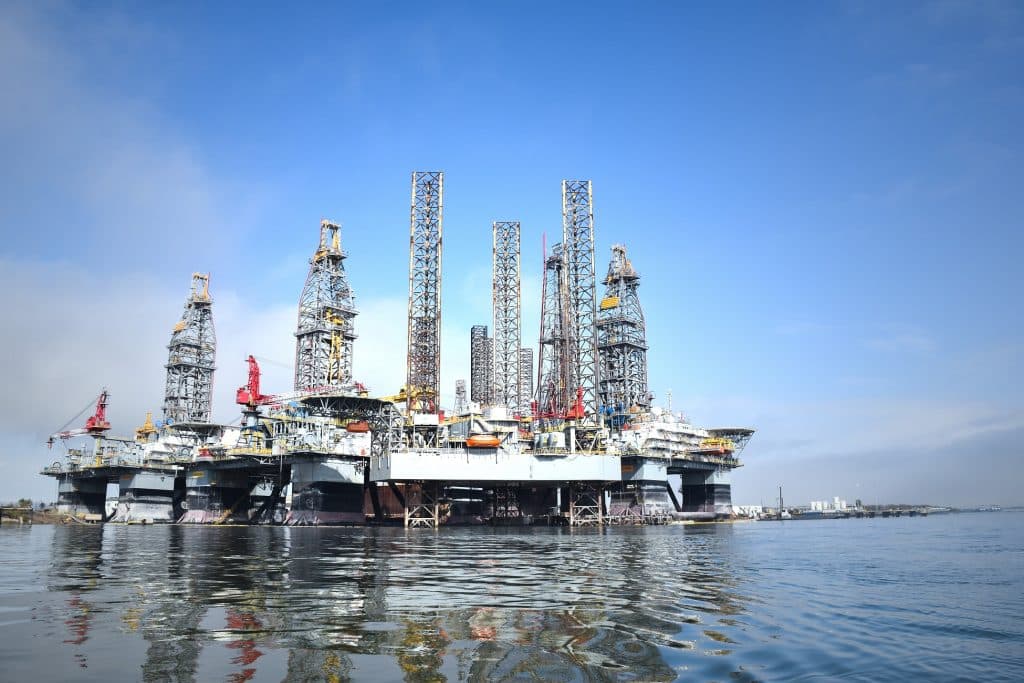
More frequent inspections and equipment repairs could paradoxically lead to higher emissions, the government said. In addition to higher emissions from maritime transport, gas could also be flared more often at production facilities, as would be necessary during additional shutdowns.
"Norway feels a great responsibility for Europe’s energy security, now and in the future. Regulations that could hinder this goal are naturally a major cause for concern. In particular, the leak detection and repair requirements included in the regulation could lead to more frequent and longer shutdowns at key onshore gas processing facilities and offshore oil facilities. This will also lead to higher emissions," Snorre Erichsen Skjevrak, deputy director at the Norwegian Ministry of Energy, told S&P Global in response to a query.
Norway is currently assessing the regulation’s impact on the European Economic Area, which, according to the deputy director, will determine how strict the requirements for its implementation will be. The European Economic Area comprises all EU member states, as well as Norway, Iceland and Liechtenstein.
Translation disclaimer
This article is a machine translation of the Czech original and has not yet been fully reviewed. In case of any doubt, please refer to the Czech version.