
12 October 2026, 22:01
Loading...
EU gas consumption fell 5% in first quarter, Nord Stream carried the most Russian gas

Martin Voříšek
13 July 2020, 09:59
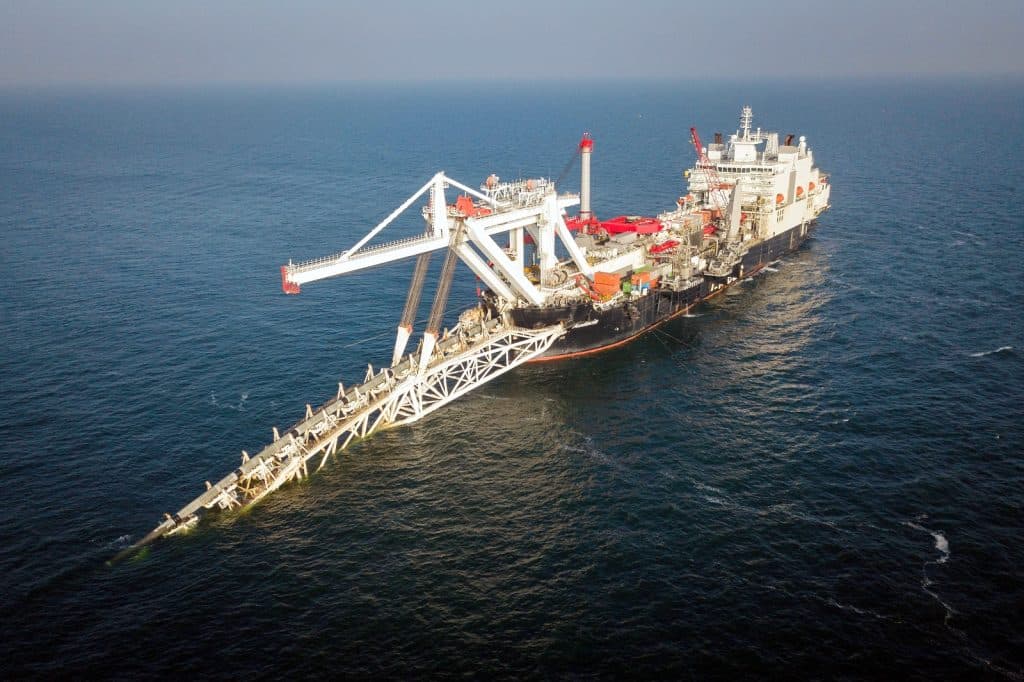
Gas consumption in the European Union fell by 5% in the first quarter of this year. In addition to exceptionally warm weather, lower consumption was also driven by the emerging COVID-19 pandemic, which began to have an impact from around mid-March. For the first time, the data exclude consumption in the United Kingdom, which left the European Union at the end of January.
According to the European Commission's latest quarterly report, the 5% decline resulted from several factors. Above all, consumption in the heating sector fell due to slightly higher year-on-year temperatures.
Another factor was lower gas consumption for electricity generation, which decreased in Europe by 2.8 TWh (equivalent to around 5 TWh of natural gas). Gas-fired electricity generation declined despite lower gas prices on wholesale markets. In addition, the first quarter saw higher electricity generation from renewable sources, leaving less room for gas-fired sources in the generation mix.
Compared with the previous two quarters, this marks a reversal in trend: gas consumption had risen slightly year on year in both the third and fourth quarters. A total of 131 bn m³ of natural gas was consumed in the first quarter of this year.
Gas production, however, recorded a substantial decline. Mainly due to lower production in the Netherlands, it fell by 23% to just 16 bn m³. This decline is linked not only to lower production from the Groningen field (which is being gradually phased down), but also from smaller Dutch fields. Diversification of gas supplies is therefore becoming increasingly important, as Europe must import around 88% of its gas consumption.
Most gas was traditionally imported from Russia
As usual, the largest share of natural gas was imported from Russia (40% in total), although this was the lowest share in the past 6 years. The decline in imports was mainly due to lower volumes of gas transported via Ukraine. This also helped make Nord Stream the pipeline through which the most gas was imported in the first quarter.

The data also reflected, for the first time, natural gas imports via the TurkStream pipeline, which was commissioned at the turn of the year. However, imports remain at only around 0.5 bn m³.
Translation disclaimer
This article is a machine translation of the Czech original and has not yet been fully reviewed. In case of any doubt, please refer to the Czech version.
Sdílejte článek prostřednictvím:
You might also like

12 October 2026, 12:20

12 October 2026, 10:27