
23 October 2026, 14:38
Loading...
EU gas stocks are dwindling rapidly and could end the heating season at eight-year lows

Jan Budín
20 February 2026, 06:22
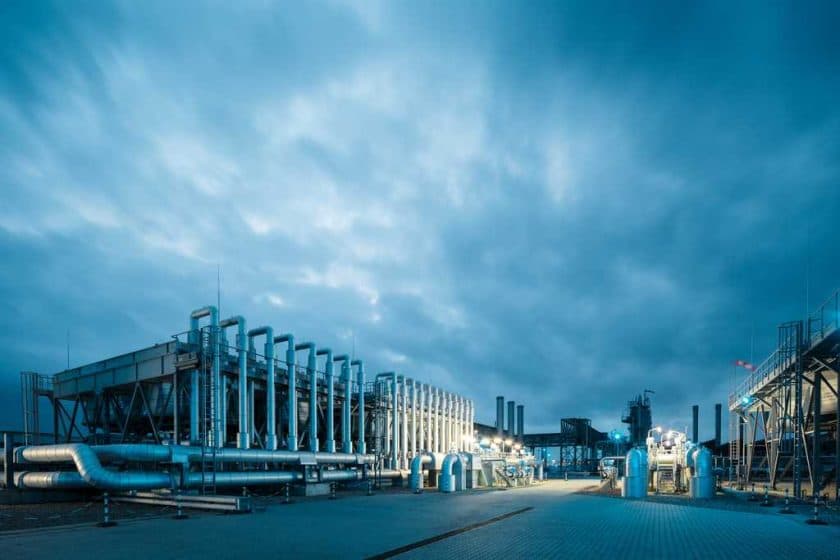
Cold weather and higher electricity generation from natural gas led to an almost 7% year-on-year increase in natural gas consumption in the EU this year. This increase in demand, combined with growing natural gas exports to Ukraine, resulted in a rate of gas storage withdrawals nearly 25% higher than the average over the past five years. According to analysts, Europe therefore risks ending this winter with the lowest natural gas stocks in the past 8 years.
European countries are withdrawing more natural gas from storage this winter due to cold weather than in previous winters. According to data published by Bloomberg, an average of 7.8 TWh of natural gas was withdrawn from storage per day in January, for example.
European gas storage facilities are currently just over 30% full and analysts believe that levels could fall to eight-year lows by the end of the heating season. The situation could be worsened by another cold spell or a more significant disruption to the global liquefied natural gas (LNG) market.
"The EU entered the 2025/26 heating season with stocks significantly lower than in previous years, with storage facilities only around 80% full and stocks thus 8 bcm lower at the beginning of November compared with the five-year average,"foreign news outlet European Gas Hub stated, adding that securing a sufficient volume of LNG will be crucial for replenishing stocks after the end of the heating season.
LNG imports into the EU have already reached their highest levels in the past 10 years in recent months, regularly approaching or exceeding 130 TWh/month. This corresponds to roughly half the volume of natural gas withdrawn from storage during January.
Natural gas prices responded to January's cold weather with a relatively strong increase. For example, the price of the front-month contract at Europe's most liquid trading hub, TTF, rose by almost 40% in the first three weeks of this year. Since the end of January, however, the market situation has calmed and the price of the contract is currently roughly at the same level as at the beginning of the year.
Translation disclaimer
This article is a machine translation of the Czech original and has not yet been fully reviewed. In case of any doubt, please refer to the Czech version.
Sdílejte článek prostřednictvím:
You might also like
23 October 2026, 11:01
23 October 2026, 06:34