
23 October 2026, 14:38
Loading...
EU gas storage filling targets remain controversial, association opposes them

Eduard Majling
27 February 2025, 06:07
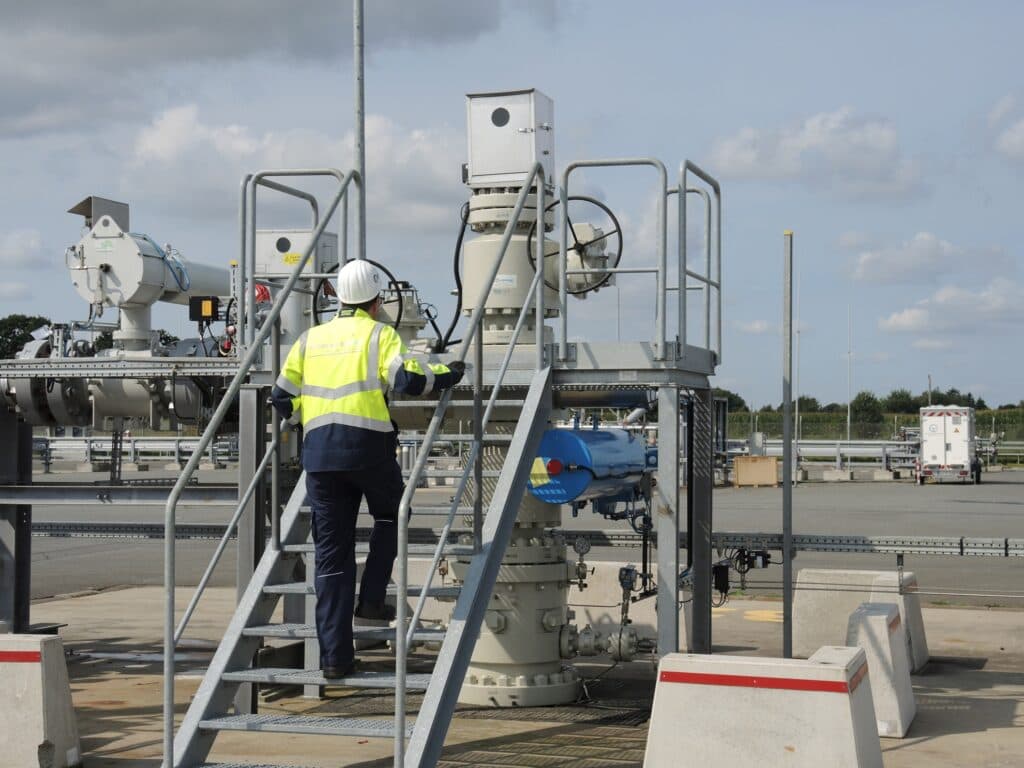
The regulation requiring underground gas storage facilities to be filled, introduced by the European Union during the energy crisis in response to falling gas flows from Russia and an uncertain outlook for supplies during the winter, continues to draw mixed reactions. Under the current rules, the regulation is due to expire at the end of this year, although speculation about an extension continues. The European energy traders’ association Energy Traders Europe (ETE) has now also come out against extending the regulation, arguing that the market should not be disrupted by similar measures when it is operating under normal conditions.
The European Union introduced the requirement to fill gas storage facilities in the summer of 2022, setting a target of 80% by 1 November. A higher target of 90% was set for subsequent years. In recent weeks, however, calls from industry and individual EU countries to potentially lower the current targets have grown louder. The need to fill storage facilities ahead of another winter has pushed natural gas prices up in recent months, as the market anticipates strong demand for gas during the summer.
The Energy Traders Europe association recently commented on gas storage targets to Argus. It represents nearly 200 European energy traders. Although the association understands the original motivation for introducing the storage-filling regulation in 2022, it now “is concerned about the disruptive nature of some of these measures and strongly recommends that they not be maintained when the market is operating normally,” the website reported.
Intervention is no longer necessary, says association
The association also cites a significant increase in liquefied natural gas (LNG) import capacity, expanded transmission capacity between EU countries, and the continued development of renewable energy sources, which reduces the need to generate electricity at gas-fired power plants, as reasons not to extend the regulation. Lower industrial demand and greater flexibility also play a role, meaning, according to the association, that “the ongoing stringent intervention measures are no longer needed.”
According to the association, the strong emphasis on filling storage facilities leads to an excessive focus on this area instead of addressing energy security more broadly. Together with other factors, expectations of strong demand for gas to fill storage facilities have driven prices for natural gas this summer above prices for gas next winter, leaving traders with no incentive to fill storage facilities purely on a market basis. As a result, EU member states are caught, according to the association, “between a very expensive form of security and financial savings at the cost of insufficiently filled storage facilities.”
Translation disclaimer
This article is a machine translation of the Czech original and has not yet been fully reviewed. In case of any doubt, please refer to the Czech version.
Sdílejte článek prostřednictvím:
You might also like


23 October 2026, 11:01


23 October 2026, 06:34