
23 October 2026, 14:38
Loading...
EU speeds up ban on Russian LNG imports in new sanctions package
Kristýna Klasová
23 September 2025, 06:15
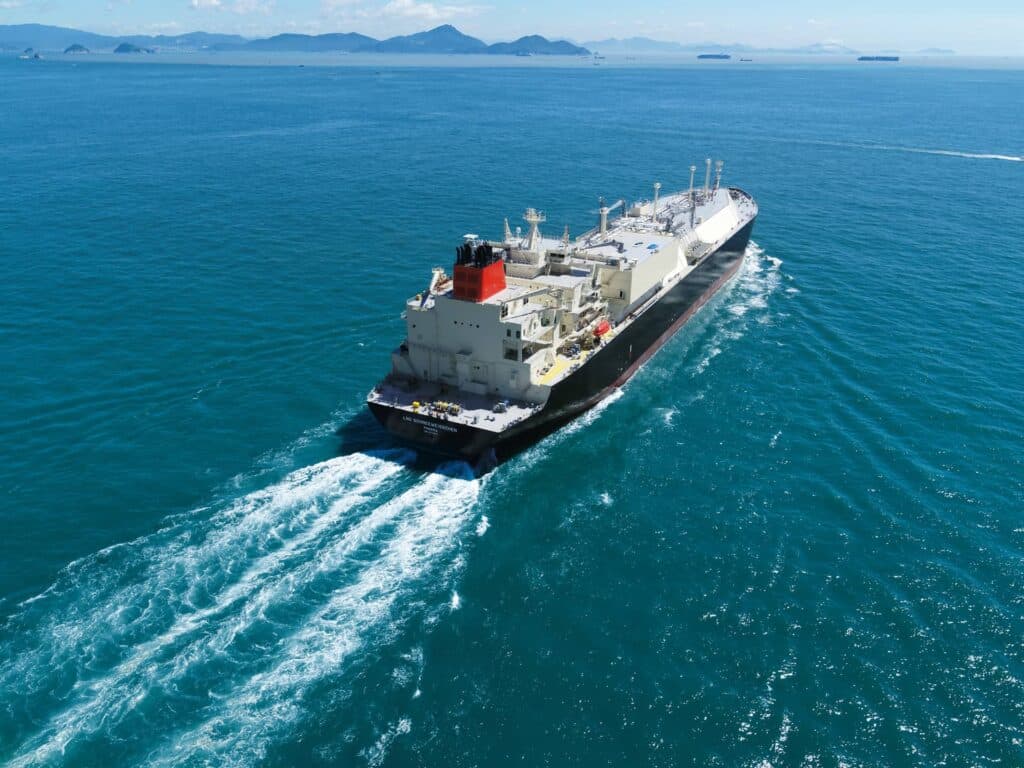
On September 19, 2025, the European Commission presented its 19th package of sanctions against Russia, which is intended to bring forward the ban on imports of Russian liquefied natural gas (LNG). According to information from Brussels, this is part of a broader effort to curb Moscow’s revenues from fossil fuel exports and strengthen the Union’s energy security. The United States is currently increasing pressure on its European allies to cut themselves off completely from Russian supplies. The news was reported by Reuters.
Talks on the details of the 19th sanctions package took place between the European Commission, member states and G7 partners. Intensive preparations got underway after a phone call between Commission President Ursula von der Leyen and US President Donald Trump. He urged Europe to take a tougher line against Moscow and introduce additional measures against countries buying Russian commodities, particularly China and India. Washington has long stressed that a swift end to trade ties with Russia is key to weakening its ability to finance the war.
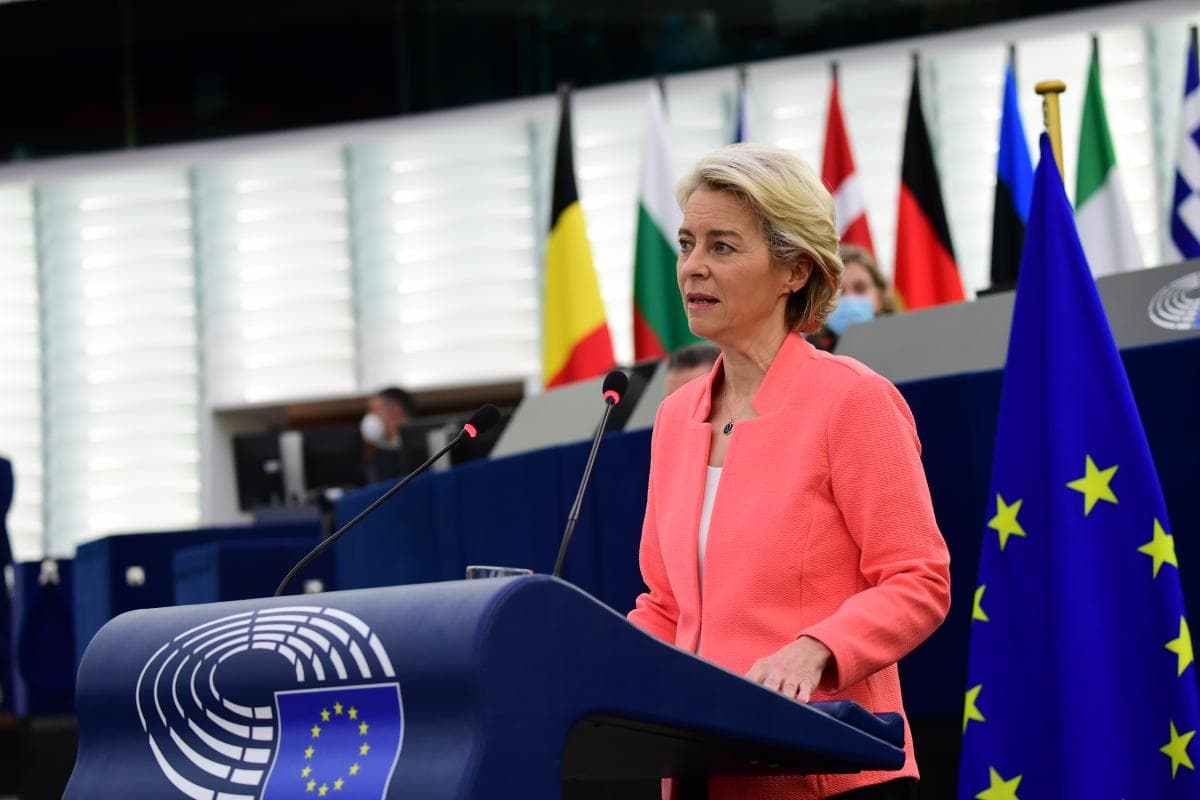
Ursula von der Leyen. Source: European Commission
Russian gas on the European market
Russia’s share of the European gas market has fallen since 2022. Before the invasion, it stood at around 45%; it is now around 19%. Despite this decline, the EU paid a total of 23 billion euros for energy commodities from Russia in 2024.
Russia supplies gas to the EU via two main routes: LNG tankers and the TurkStream pipeline, which delivers gas to Slovakia, Hungary and Bulgaria. Russian LNG is imported primarily by Spain, Belgium, the Netherlands and France.
In the Czech Republic, Russian gas import volumes have fluctuated in recent years. After a period of relative independence from August 2022, Russian gas supplies began flowing again through Slovakia, particularly from October 2023. Czechia is seeking full independence from Russian gas in line with European legislation, which plans to ban new contracts from January 2026 and end imports completely by the end of 2027.
Bringing an end to Russian LNG imports to the European market sooner
The EU had originally planned to phase out imports by January 1, 2028. The new sanctions package, however, would end Russian LNG imports to the European market a year earlier. The 19th package also includes a broader range of measures beyond the LNG ban itself.
According to the proposal, the sanctions package would include new restrictions on Russian banks and cryptocurrency platforms, expand the ban on exports of technologies with potential military uses, and tighten controls on the so-called “shadow fleet” of ships used to circumvent oil sanctions.
It also provides for sanctions against entities in China and India that help Moscow circumvent restrictions. The measures therefore target not only energy revenues, but also the financial and technological channels that support Russia’s war economy.
Supporters of an accelerated ban argue that gas export revenues remain a significant source of funding for Moscow and that curbing them would make sanctions more effective. They also point to the EU’s long-term plan to phase out imports of Russian oil and gas by January 1, 2028, with a ban on short-term contracts due to take effect as early as next year.
Critics, however, warn of impacts on prices and the availability of commodities, particularly in countries that still lack fully viable alternatives. TotalEnergies CEO Patrick Pouyanné, for example, warned in June 2025 that Russian gas would probably be needed at least until the end of 2027 to avoid a significant rise in prices.
Energy transition
The European Commission is now seeking a compromise that would ensure a smooth transition to new suppliers and minimize the risk of disruptions. One priority is diversifying supplies through increased LNG imports from the US, Qatar and Norway, while supporting investment in renewable energy and the modernization of gas infrastructure. The sanctions package will also be coordinated with other G7 and NATO measures intended to curb Kremlin revenues from commodity exports.
Energy security is a priority
The planned ban on Russian LNG imports represents another step towards the Union’s energy sovereignty and weakening the Russian economy. At the same time, it raises the question of how to balance tougher sanctions with the need for stable, affordable energy supplies for households and industry.
Implementation of the sanctions is also complicated by exemptions for Turkey and Hungary allowing payments for Russian gas through the sanctioned Gazprombank. The measures’ success will depend on the ability of European states to act in unison. It will also depend on how quickly alternative sources can be secured.
Translation disclaimer
This article is a machine translation of the Czech original and has not yet been fully reviewed. In case of any doubt, please refer to the Czech version.
Sdílejte článek prostřednictvím:
You might also like


23 October 2026, 11:01


23 October 2026, 06:34