23 October 2026, 14:38
Loading...
European Commission pushes for timely replenishment of gas stocks, no blanket price caps planned yet

Libor Láník
26 April 2026, 15:00
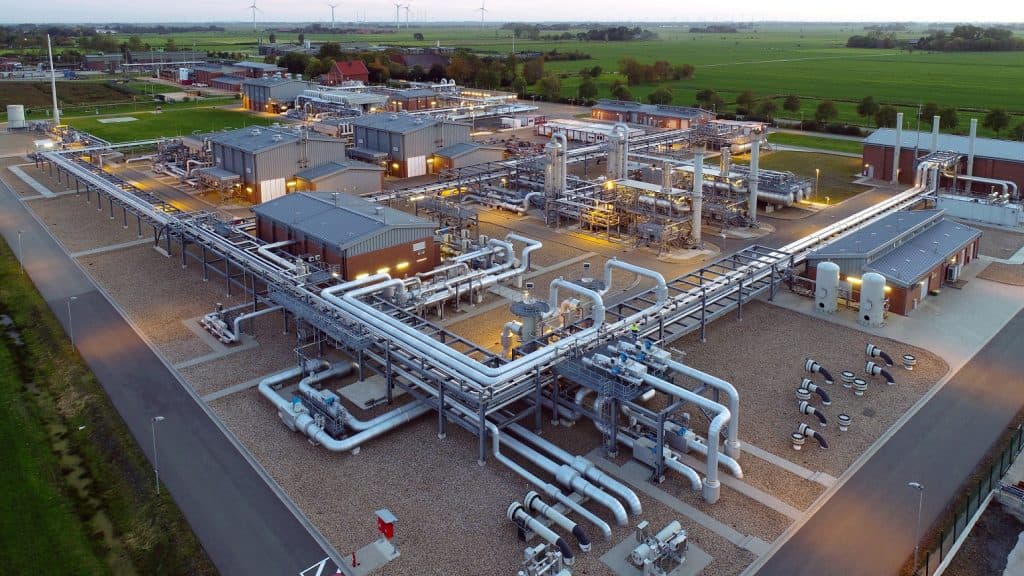
Europe is entering another period of energy strain. The war with Iran, which has severely disrupted global gas markets, is complicating preparations for the coming heating season. According to the Agency for the Cooperation of Energy Regulators (ACER), member states are highly unlikely to reach the required 90% storage fill level, intended as a safety buffer for the winter months. Reaching around 80% now appears more realistic, even at the cost of higher expenses and greater exposure to any further supply disruptions.
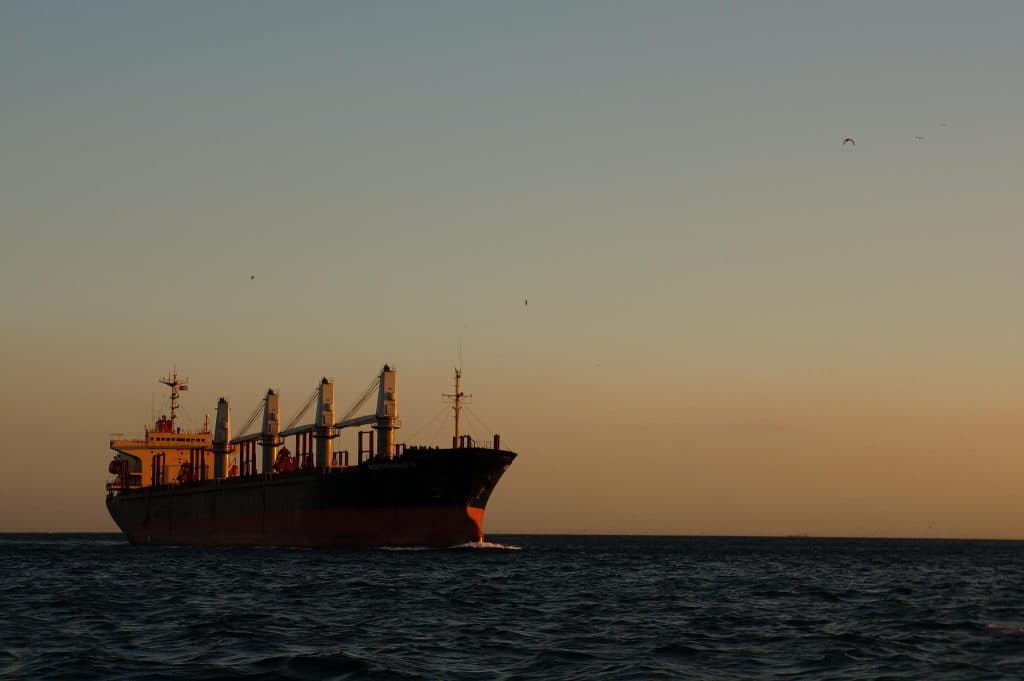
The main reason is a combination of several factors. The conflict in the Middle East has virtually paralysed the Strait of Hormuz, through which roughly one-fifth of global liquefied natural gas trade normally passes. At the same time, Qatari gas infrastructure has been damaged, further tightening global supply. European countries, while sourcing most of their gas from Norway and the United States, are thus finding themselves in direct competition with Asian buyers for limited LNG supplies. The result is a sharp rise in prices.
The situation is further complicated by the fact that European storage facilities are unusually empty after a cold winter. Across the European Union, they are around 30% full, the lowest level for this time of year since 2022. High prices are discouraging traders from buying gas for storage, creating a vicious circle: without timely replenishment, sharp price swings loom in the autumn if countries begin buying gas at the same time.
The European Commission is therefore urging member states to begin filling storage facilities rapidly as early as spring and is seeking to coordinate their approach. The aim is to avoid a situation in which uncoordinated purchases push prices even higher. At the same time, Brussels is taking a more restrained approach than during the 2022 crisis: it is not planning blanket price caps or windfall taxes on energy companies. Instead, it is focusing on targeted measures, such as reducing electricity taxes or improving coordination of gas purchases. However, according to European Energy Commissioner Dan Jørgensen, energy prices will remain elevated for several years even in an optimistic scenario.
The longer-term response is expected to be accelerating the shift away from fossil fuels. Dependence on imported gas and oil is once again proving to be a key risk. The European Union therefore plans to further increase the share of renewables and nuclear power, which already account for more than 70% of electricity generation.
The tense situation is also confirmed by data from Czechia. Czech storage facilities were around 22% full in mid-April, almost eight percentage points less than in the same period last year. At average consumption, current stocks would last for approximately one month of operation, or around three weeks under winter conditions. Here, too, the speed at which storage facilities can be replenished in the coming months will be crucial.
The overall picture suggests that while Europe is not facing an immediate gas shortage, its energy security remains fragile. The war in the Middle East is thus once again a reminder that even a relatively distant conflict can have a direct impact on energy prices and availability for European households and industry.
Translation disclaimer
This article is a machine translation of the Czech original and has not yet been fully reviewed. In case of any doubt, please refer to the Czech version.
Sdílejte článek prostřednictvím:
You might also like
23 October 2026, 11:01
23 October 2026, 06:34