10 September 2026, 15:21
Loading...
European gas infrastructure is not ready for hydrogen blending
Daniel Galis
14 July 2020, 13:43
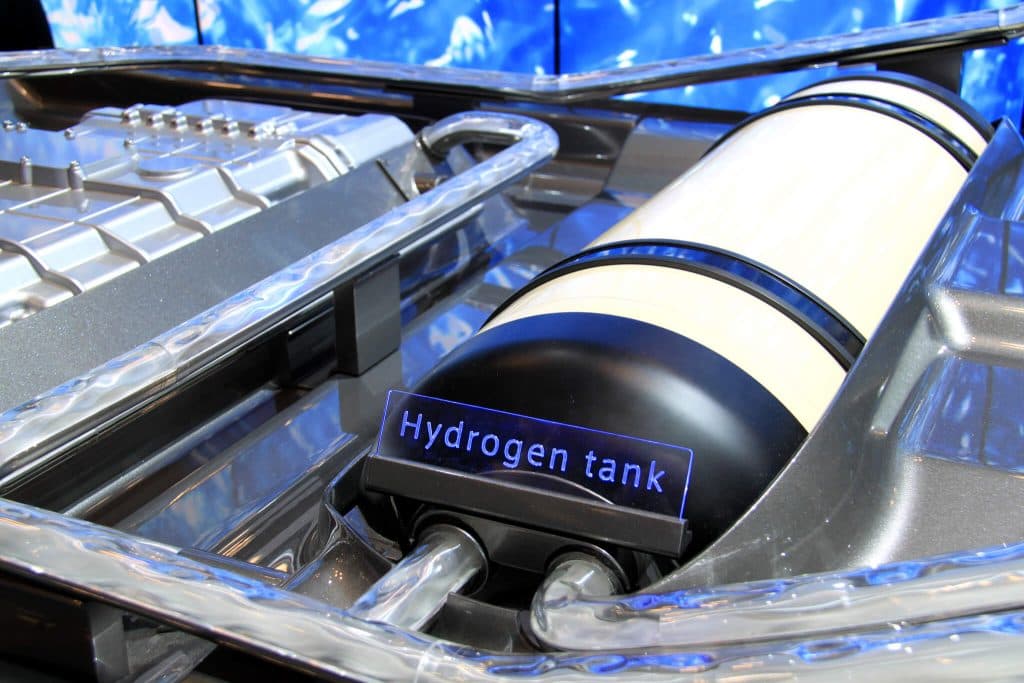
Up to two-thirds of European Union countries do not yet allow hydrogen to be transported through existing gas infrastructure. Any changes to gas quality standards should be coordinated at the European level, while the minimum hydrogen concentration should be set at 2% in the future. However, hydrogen blending is only a temporary solution ahead of the construction of a 100% hydrogen transmission network, according to national energy regulators cited by ACER.
The European Union Agency for the Cooperation of Energy Regulators (ACER) published the results of a survey on the readiness of existing gas infrastructure for hydrogen and biomethane blending. In two-thirds of countries, including the Czech Republic, transmission system operators do not allow hydrogen to be transported as part of the gas flow at all, the findings show.
Even among countries where blending is permitted, concentrations are generally below 2%. Germany (up to 10%) and France (up to 6%) are currently furthest ahead. Germany itself presented a national hydrogen plan in recent weeks, but a similar document is lacking and not even planned in up to half of the countries. Likewise, the vast majority of new hydrogen transmission projects remain in the early and pilot stages.
Investment will be necessary
The reasons vary. However, they often concern only the absence of legislation or system testing, rather than technical shortcomings. Nevertheless, ACER expects that expanding hydrogen blending will require investment, particularly in equipment to measure its concentration and in storage. Technical modifications will also be needed at interconnection points between transmission and distribution systems.
National regulators mostly view the use of existing infrastructure for the joint transport of hydrogen and natural gas only as a transitional solution. They see the main problem in the economic and technological limit on transporting hydrogen through current infrastructure, and therefore on its use. In some countries, particularly in Western Europe, market conditions already exist for the parallel construction of a 100% hydrogen transmission network.
Standards should be Europe-wide
National agencies also cite strict gas quality standards as a barrier to blending. They agree that any changes to these standards must be made at a Europe-wide, or at least regional, level so that cross-border gas trade is not affected. They would set the baseline concentration at no less than 2%. According to ACER, fundamental changes to the functioning of the gas market or to national legislation itself are not yet necessary.
The survey was conducted in May this year among 23 national regulators through a questionnaire and covered only transmission system infrastructure. It also did not address the conversion of existing infrastructure to carry only hydrogen. However, it was only published now following the European Union strategy for energy system integration and hydrogen strategy. Through these strategies, the European Union has officially backed hydrogen to decarbonise certain sectors.
Translation disclaimer
This article is a machine translation of the Czech original and has not yet been fully reviewed. In case of any doubt, please refer to the Czech version.
Sdílejte článek prostřednictvím:
You might also like

10 September 2026, 10:37

9 September 2026, 15:05
9 September 2026, 13:24