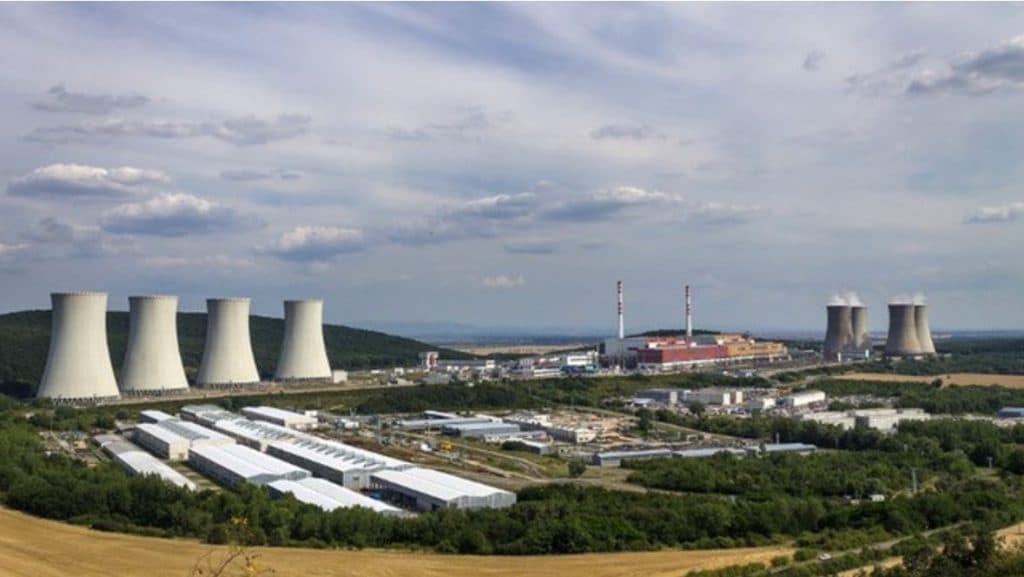
European gas prices stabilize around €62 after initial decline

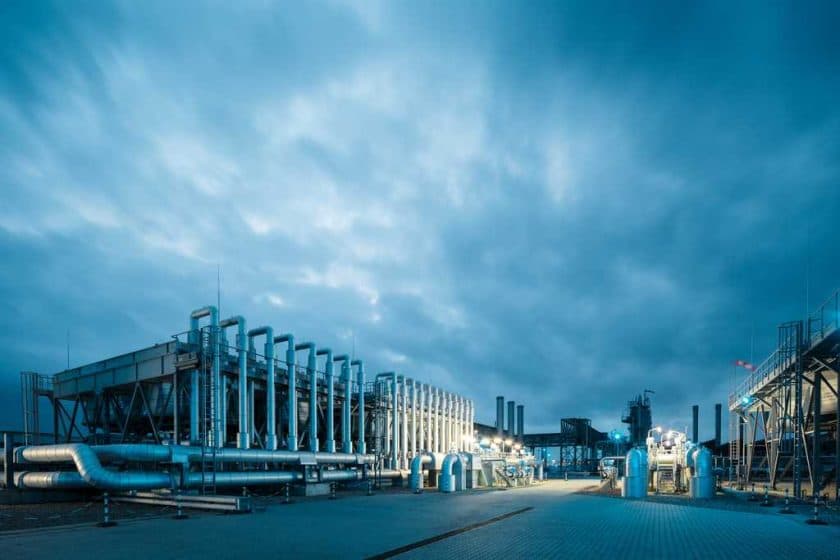
The price of natural gas for the European market fell by as much as three percent in the morning, then stabilized and is hovering around 62 euros (1520 Kč) per megawatt-hour (MWh). It is responding to efforts by Israel and the US to ease concerns about further attacks on energy facilities in the Persian Gulf. On Thursday, however, the price surged by as much as 35 percent to 74 euros per MWh following attacks on energy infrastructure in the Middle East, reaching its highest level since January 2023.
At around 11:00 CET, the price of the key gas futures contract for delivery next month at the Title Transfer Facility (TTF) virtual trading hub in the Netherlands was up 0.2 percent at 61.95 euros per MWh. Earlier in the morning, it had fallen below 59 euros per MWh. The price could rise by as much as 20 percent over the week, having doubled since the start of the war.
Israel said today that it would no longer attack energy infrastructure after its strike on an Iranian gas field prompted retaliatory attacks on oil and gas facilities across the Middle East. This drove prices higher and drew criticism from US President Donald Trump.

Recent attacks on Ras Laffan in Qatar damaged facilities for producing liquefied natural gas (LNG), which have a combined annual capacity of 12.8 million tonnes. That represents around 17 percent of Qatar's LNG exports. Repairs could take up to five years. Deliveries from the facility had already been suspended earlier this month because of the war, but the newly inflicted damage could keep gas prices in Europe and Asia higher for longer. Analysts at Morgan Stanley say a supply shortfall of around four percent could emerge this year, while the lasting loss of these facilities could also affect estimates of a gas surplus in 2027 and 2028.
In Europe, the attacks have alarmed politicians as countries prepare for the possibility of energy prices remaining high for an extended period. Traders across the continent are bracing for a volatile summer as countries seek to refill their extensive storage facilities ahead of the coming winter. Although most of the gas that normally passes through the Strait of Hormuz is destined for Asia, closing the waterway could also affect Europe, as the two regions compete for limited global LNG supplies on the market.
At the same time, forecasters expect temperatures to fall in northwestern Europe this month. This could further increase demand for gas, Bloomberg reported.
Translation disclaimer
This article is a machine translation of the Czech original and has not yet been fully reviewed. In case of any doubt, please refer to the Czech version.